2026 How to Choose the Best Fiber Laser Cutting Machine?
The selection of a Fiber Laser Cutting Machine can profoundly impact manufacturing efficiency. A report from MarketsandMarkets indicates a projected growth rate of 6.8% in the global laser cutting market, estimated to reach $5.78 billion by 2026. This surge underscores the increasing relevance of fiber laser technology in various industries, from automotive to aerospace.
Choosing the right machine involves understanding specific requirements, such as material type and thickness. For instance, fiber lasers excel in cutting metals like stainless steel and aluminum, providing precision and speed. However, the variability in machine quality can make the decision daunting. Factors like power rating, lens quality, and cooling systems are crucial in determining performance and longevity.
It's essential to consider not just the specifications but also the overall investment and support offered. A low-cost machine might save initial expenses but could lead to higher operational costs over time. Hence, careful evaluation of each option can prevent regret. Selecting a reputable manufacturer can provide access to reliable technological support and maintenance services, enhancing the machine's long-term effectiveness.
Understanding Fiber Laser Cutting Technology and Its Applications
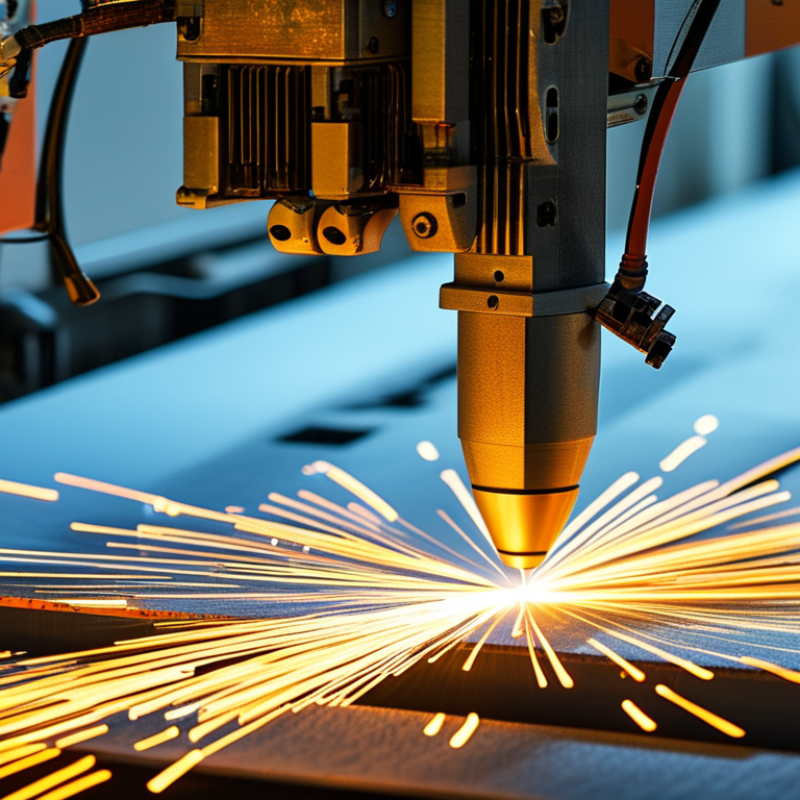
Fiber laser cutting technology has revolutionized various industries due to its precision and efficiency. This technology uses focused laser beams to cut materials with high accuracy. The result? Clean cuts and minimal waste. Applications range from automotive to aerospace, showcasing its versatility. Workshops utilize fiber lasers for detailed engravings and intricate designs with ease.
One notable aspect of fiber laser cutting is its ability to handle different materials. It works well with metals, plastics, and even ceramics. Often, users face challenges with thickness and speed settings. Finding the right balance can require experience and testing. Some operators may struggle to optimize the machine's capabilities, leading to suboptimal results.
Understanding the machine settings is essential for achieving ideal outcomes. Operators need to comprehend power settings, speed levels, and focus adjustments. This knowledge helps in fine-tuning the process. However, mastering these variables takes time and can be frustrating. It’s vital to approach each project with both patience and willingness to learn.
Key Factors to Consider When Selecting a Fiber Laser Cutting Machine
Choosing the right fiber laser cutting machine requires careful consideration of several key factors. One crucial aspect is the machine’s power. Higher wattage machines can cut through thicker materials more efficiently. However, a balance must be struck as not all projects require high power. Sometimes, a lower wattage machine can suffice and offer cost savings.
Speed is another important factor. Fiber laser machines vary in their cutting speeds. If high volume production is your goal, you need a machine that can operate at faster speeds without sacrificing quality. Consider the material types and thicknesses you plan to work with. This detail can significantly impact your choice.
**Tips:** When assessing compatibility, look for machines that can handle multiple materials. Read reviews to gain insights from other users. Also, consult a professional for advice tailored to your unique needs. Reliability is paramount; a dependable machine ensures consistent output and reduces downtime. Each of these considerations plays a critical role in selecting the most effective fiber laser cutting machine for your business challenges.
Comparing Different Types of Fiber Laser Cutting Machines
When selecting a fiber laser cutting machine, it’s crucial to understand the various types available. Machines vary in power levels, which can significantly affect cutting speeds and material thickness capabilities. For instance, a lower wattage machine may suit thin metals, while higher wattage is essential for thicker materials. Users should consider workload and production demands when evaluating these options.
Another factor to examine is the control system. Some machines come with advanced software that enhances precision and ease of use. However, some users may find these systems complex and time-consuming to learn. The right balance between user-friendliness and functionality should guide your decision-making.
Lastly, consider the build quality and support offered. A machine built with durable materials can withstand prolonged use. Reliable customer support and accessible service options are also critical. This can determine the longevity and efficiency of your operations. Investing time in research before purchasing can prevent mistakes down the line.
Comparing Different Types of Fiber Laser Cutting Machines
This chart illustrates the cutting speed and thickness capacity of various types of fiber laser cutting machines.
Assessing the Machine's Performance and Specifications
When selecting a fiber laser cutting machine, it’s essential to assess its performance and specifications. Key specifications include the wattage, cutting speed, and focal diameter. A higher wattage allows for thicker materials to be cut efficiently. For example, machines with 1000 watts can typically handle materials up to 10mm, while those with 3000 watts manage thicknesses up to 20mm. Industry reports indicate that cutting speed can reach up to 30 meters per minute, enhancing productivity.
The focal diameter affects the quality of the cut. A smaller diameter delivers intricate details. Users often overlook the importance of upgradable features. Many machines offer options for enhancements, yet few companies invest in them, which can lead to slower production in the long term. Moreover, understanding the cooling system is crucial. Insufficient cooling can degrade performance over time, affecting overall efficiency and precision.
Technical support and machine stability are paramount. A reliable manufacturer ensures customer assistance in case of mechanical failures. It’s reported that production losses due to equipment downtime can exceed $100,000 annually for factories. The budget is not everything; a low initial investment may lead to higher costs later. Careful consideration of all these factors leads to a more informed decision when choosing the right machine.
Budgeting for Purchase and Long-Term Maintenance Costs
When considering the purchase of a fiber laser cutting machine, budgeting for long-term maintenance is essential. Maintenance can account for a significant portion of the total cost of ownership. Reports indicate that companies often underestimate these expenses by up to 30%. Regular maintenance, such as lens cleaning and alignment, can add up over time. Setting aside a portion of the initial budget for this can help avoid unexpected costs later on.
Beyond maintenance, operational costs must also be taken into account. An efficient machine can greatly reduce electricity consumption and material waste. According to industry studies, energy-efficient machines can save up to 20% on power costs annually. Additionally, investing in training for operators can prevent mishaps and enhance productivity. While it may seem like an added expense, the return on investment can be substantial.
Long-term, technology upgrades may be necessary to keep pace with advancements. These upgrades can present additional costs. Evaluating the longevity of parts and the availability of service options is vital. Regularly assessing your machine’s performance can help identify potential issues before they become major problems. Building a comprehensive budget can lead to a more informed decision.

