What is Gear Rack and Pinion and How Does it Work?
Gear rack and pinion systems play a crucial role in numerous mechanical applications. These systems convert rotational motion into linear movement, making them essential in various engineering fields. As noted by Dr. Emily Thompson, a leading expert in mechanical engineering, "The gear rack and pinion mechanism is the backbone of modern machinery." Her insights highlight the importance of understanding how this system operates.
In essence, the gear rack and pinion consists of two main components. The pinion is a circular gear that meshes with a linear gear, known as the gear rack. This interaction facilitates efficient movement in machinery. Many industries rely on this mechanism, from automotive to robotics, showcasing its versatility.
Despite its widespread use, there are challenges. Precise alignment and potential wear over time can affect performance. Companies must regularly assess these systems for optimal functionality. By keeping the gear rack and pinion well-maintained, industries can enhance productivity and reliability.
What is Gear Rack and Pinion: Definition and Overview
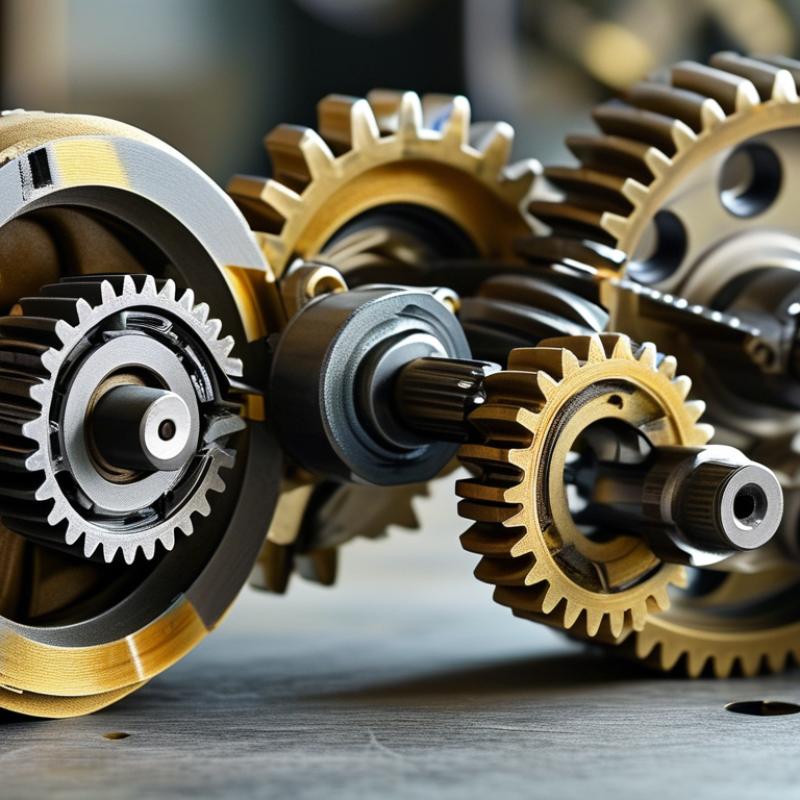
Gear rack and pinion systems play a pivotal role in mechanical engineering. Essentially, a gear rack is a straight bar with teeth, and the pinion is a small gear. When these two components engage, rotary motion transforms into linear motion. This conversion has various applications. It is commonly found in steering systems and industrial machinery.
The mechanism operates on simple principles of friction and force. When the pinion rotates, it moves along the gear rack. This movement creates a smooth and controlled action, making it popular in various devices. A key consideration is the material of the gear rack and pinion. Different materials offer varying levels of strength and durability. Steel may provide robustness, while plastic can reduce friction.
While gear racks and pinions are reliable, they can present unique challenges. Wear and tear is common due to continuous use. This deterioration impacts performance over time. Regular maintenance is essential to optimize lifespan and function. Attention to the alignment of components can also enhance efficiency. Continuous improvement in design can address performance gaps, making this mechanism integral yet imperfect.
The Mechanical Principle of Gear Rack and Pinion System
The gear rack and pinion system operates on a simple yet effective mechanical principle. At its core, it converts rotational motion into linear motion. The pinion is a small gear that meshes with a linear gear known as the rack. When the pinion rotates, it moves the rack horizontally or vertically. This mechanism is common in various applications, including steering systems in vehicles and machine tools.
The interaction between the gear and rack showcases the efficiency of gear trains. As the pinion turns, it can exert a considerable amount of force, transferring power effectively. However, the precision of this system can sometimes be compromised by wear and tear. Components can degrade due to friction, affecting alignment and performance. Regular maintenance helps mitigate these issues, yet they remain a consideration for users.
Understanding the basics of the gear rack and pinion system reveals its versatility. Innovations continue to enhance its design. However, some challenges remain. For instance, achieving the right balance between speed and power can be difficult. Engineers must constantly re-evaluate designs to optimize functionality while ensuring reliability.
What is Gear Rack and Pinion and How Does it Work?
| Component | Description | Function | Applications |
| Gear Rack | A flat, toothed bar that converts rotary motion into linear motion. | Moves an attached mechanism in a linear direction. | Used in elevators, conveyor systems, and steering mechanisms. |
| Pinion Gear | A small circular gear that engages with the gear rack. | Transmits rotary motion to the gear rack. | Commonly used in machinery, robotics, and vehicle steering. |
| Mechanical Advantage | The ratio of output force to input force in a gear system. | Enhances the efficiency of force transmission in applications. | Widely used in machinery requiring heavy lifting or movement. |
| Advantages | Simplifies mechanical design, provides precise linear motion. | Reduces the need for complex mechanisms. | Used in various industries including manufacturing and automotive. |
| Disadvantages | Wear and tear of components can affect performance. | May require regular maintenance and lubrication. | Impact on long-term reliability in high-demand applications. |
Applications of Gear Rack and Pinion in Various Industries
Gear rack and pinion systems have become essential in various industries. Their primary function is to convert rotational motion into linear motion. This mechanism finds applications in sectors like automotive, manufacturing, and robotics. According to a recent report by MarketsandMarkets, the global gear rack market is projected to grow from USD 3.5 billion in 2021 to USD 5.7 billion by 2026. This growth underscores the importance of these systems in enhancing efficiency and precision.
In manufacturing, gear racks are vital for automated machinery and conveyor systems. They enable smooth movement and precise positioning. For example, the automotive industry uses them in steering systems, providing accurate control. In robotics, gear racks help robots move along tracks smoothly. This integration boosts productivity and reduces operational errors.
Tip: Regular maintenance of gear racks can prevent wear and tear. Inspecting teeth for damage can save costs in the long run.
Moreover, there’s a need to evaluate their installation conditions. An improper setup may lead to inefficiencies or unexpected failures. Industries should invest in staff training to ensure correct usage and maintenance of these systems. Adapting to advanced technologies can enhance overall performance and reliability.
Advantages and Disadvantages of Using Gear Rack and Pinion
The gear rack and pinion system is widely used in various applications, from steering systems in vehicles to industrial machinery. One key advantage is its ability to convert rotational motion into linear motion efficiently. This makes it ideal for tasks requiring precise control over movement. In addition, gear racks and pinions tend to be compact, which is beneficial in tight spaces.
However, there are disadvantages to consider. Over time, these systems can suffer from wear and tear. The teeth on the gear rack can become damaged, leading to decreased performance. Additionally, maintenance is crucial. If not done regularly, users may face operational failures. Noise can also be an issue in high-speed applications, which might be unsettling in sensitive environments.
Another aspect to reflect upon is the manufacturing quality. Poorly made components can lead to misalignment, causing inefficiencies. The initial cost may also deter some users. Investing in high-quality gear racks and pinions can seem expensive upfront but can save money in the long run through reduced maintenance needs. The balance between cost and reliability is worth examining.
Key Specifications and Materials Used in Gear Rack and Pinion Design
When discussing gear rack and pinion systems, it's vital to understand their key specifications and materials. A gear rack is a linear gear that transforms rotational motion into linear motion. It consists of several specifications, including pitch, width, and length. The pitch determines the distance between teeth, directly influencing the system’s efficiency. A well-defined pitch ensures smoother motion and reduces wear.
Materials play a crucial role in gear rack and pinion design. Common materials include steel, aluminum, and plastic. Steel offers durability and strength, making it suitable for heavy-load applications. However, it can be prone to rust if not properly treated. Aluminum is lighter and resistant to corrosion, ideal for lighter duty tasks, yet less robust than steel. Plastic is often employed in low-load applications. It’s lightweight and cost-effective but might wear out faster under heavy stress.
Choosing the right material and specification is often challenging. Many factors can influence the decision, including load requirements and environmental conditions. It's essential to evaluate trade-offs between strength and weight. This balancing act reveals the need for careful design and material selection, reflecting the complexity involved in gear rack and pinion systems.
Gear Rack and Pinion Specifications

