What is a Feeder Machine and How Does It Work?
In the rapidly evolving manufacturing industry, the role of a Feeder Machine is indispensable. Experts like Dr. Emily Rogers highlight its importance, stating, “Feeder Machines streamline production and enhance efficiency in ways we are just beginning to understand.” These machines ensure materials are supplied at the right time and in the right quantity, minimizing downtime and maximizing output.
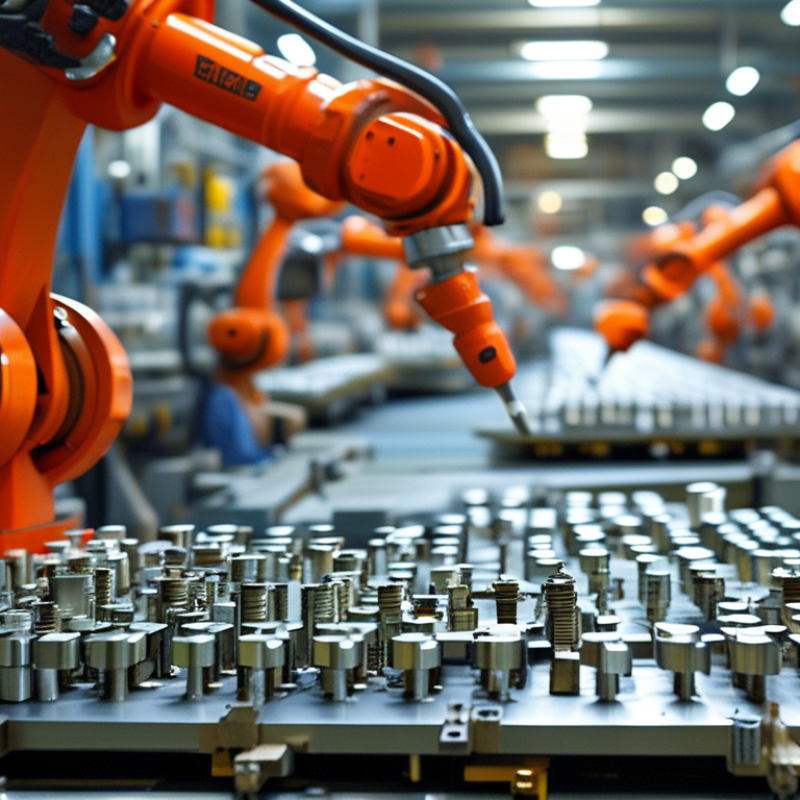
Feeder Machines come in various forms, catering to diverse industries. They can automate the flow of materials, often integrating seamlessly with other machinery. Imagine a bustling assembly line, where a Feeder Machine precisely delivers components, allowing the workforce to maintain a steady rhythm. Such efficiency translates into cost savings and productivity gains. However, understanding how these machines work can be complex.
Despite their benefits, some challenges remain. Maintenance can be a concern, and precise calibration is essential for optimal performance. Not all businesses fully leverage the advantages of a Feeder Machine. Continuous education is crucial for operators to unlock its full potential in an ever-competitive market. By addressing these hurdles, organizations can enhance their operational capabilities significantly.
What is a Feeder Machine?
Feeder machines play a critical role in various industries. They are designed to provide a steady supply of materials. This can include parts, granules, or powders, and they ensure continuous workflow in manufacturing processes. By using gravity or mechanical means, feeder machines transfer materials from one point to another.
The operation of a feeder machine is relatively straightforward. It uses a hopper to hold the material and an adjustable feed mechanism to control the flow rate. This setup allows for precise dispensing of materials, reducing waste and increasing efficiency. However, improper calibration can lead to overfeeding or underfeeding, affecting production quality.
Feeder machines also come in different designs. Some are vibratory, while others are belt-driven. Each design has its own advantages and challenges. For instance, vibratory feeders can handle delicate materials, but they might not be suitable for heavy items. Understanding these nuances is vital for choosing the right machine. It becomes clear that there's no one-size-fits-all solution in feeder machine selection. Each application demands careful consideration of specific needs.
Types of Feeder Machines and Their Applications
Feeder machines are essential in various industries. They ensure efficient material handling by providing a steady flow of resources. Understanding different types of feeder machines can greatly enhance productivity.
Vibratory feeders are a popular choice. They use vibrations to move materials consistently. These feeders are perfect for small parts and granules. Bulk material handling often employs belt feeders. They transport larger items smoothly along a conveyor belt. Auger feeders are ideal for powdery materials, using a helical screw to move substances with precision.
When selecting a feeder machine, consider the material type and flow rate. Ensure that the feeder aligns with your specific operational needs. Regular maintenance is crucial for optimal performance. Keep parts clean and well-lubricated to prevent downtime. Remember, not every feeder will work for every application. Test different options to find the best fit. Fine-tuning your machine can lead to improved efficiency.
Understanding feeder machines involves trial and error. It’s okay to face challenges during the selection process. Reflect on past experiences to make better decisions. Continual learning will help refine your approach and enhance your operations.
What is a Feeder Machine and How Does It Work? - Types of Feeder Machines and Their Applications
| Type of Feeder Machine | Working Principle | Common Applications | Advantages |
| Vibratory Feeder | Uses vibration to feed materials to a process or machine. | Food processing, metalworking, packaging. | Continuous flow, adjustable feed rate, low maintenance. |
| Belt Feeder | Uses a belt to transport materials from one point to another. | Mining, bulk material handling. | High capacity, efficient for heavy materials, variable speed. |
| Rotary Feeder | Utilizes rotating paddles or blades to move materials. | Cement, plastics, and powder handling. | Accurate dosing, effective for powders, minimal spillage. |
| Screw Feeder | Uses a rotating screw to transport and feed materials. | Food, agricultural products, and chemicals. | Compact design, consistent feed rate, can handle various materials. |
How Feeder Machines Work: Mechanisms and Processes
Feeder machines play a vital role in various industries by ensuring a steady flow of materials. These machines are designed to deliver raw materials efficiently to processing stations. The working mechanism of feeder machines can vary, but most rely on a combination of gravity, vibration, or mechanical movement. This controlled delivery aids in maintaining consistent output and reduces downtime during production.
In many feeder designs, vibration is key. It helps materials move smoothly along a conveyor or into a hopper. The vibration frequency can be adjusted to accommodate different material types. For example, fine powders require gentle movement, while larger granules might need more robust handling. It's fascinating how minor adjustments can significantly affect performance. However, these machines sometimes face challenges, such as inconsistent material flow or blockages. Identifying these issues often requires a detailed understanding of the entire system.
Another approach is using rotary feeders, where materials are fed through a rotating mechanism. This design is effective for bulk materials. Regular maintenance is crucial, as wear and tear can lead to inefficiencies. An unexpected malfunction can disrupt production, emphasizing the importance of proactive checks. Exploring these mechanisms reveals the complexity of seemingly simple machines. This complexity requires expertise and ongoing training to optimize their functionality.
Feeder Machines Performance Overview
This bar chart illustrates the operational efficiency of feeder machines based on various factors such as speed, accuracy, and feed rate. The data represents average values observed in different operating conditions.
Benefits of Using Feeder Machines in Manufacturing
Feeder machines play a crucial role in manufacturing processes. They streamline operations by efficiently supplying parts or materials to production lines. This automation reduces manual handling, allowing for quicker and more precise assembly tasks. In a competitive market, such efficiency can lead to reduced operational costs and increased output.
The benefits of using feeder machines go beyond speed. They enhance accuracy by minimizing human error. By delivering the correct quantities consistently, they maintain the flow of production. This reliability ensures that assembly lines run smoothly, reducing downtime and delays. However, there can be challenges in calibrating these machines to specific production needs. Adjustments may be necessary, which can require expertise.
Implementing feeder machines can also lead to a safer work environment. By handling heavy or hazardous materials, these machines lessen the risk of workplace injuries. Yet, training staff to operate and maintain such machines is essential. Overlooking this can lead to operational hiccups and safety concerns. It’s imperative to consider both benefits and potential drawbacks during integration.
Maintenance and Troubleshooting of Feeder Machines
Feeder machines play a crucial role in industries like food processing, mining, and agriculture. Proper maintenance is essential for performance. Regular inspection can prevent costly downtime. According to a report by the International Journal of Engineering Research, improper maintenance can increase operational costs by up to 30%. Understanding common issues helps in troubleshooting and avoiding disruptions.
One common problem is jamming. Ensure the feeder machine is calibrated correctly. Regularly check for material buildup, which can lead to inefficiencies. Another frequent issue is uneven feeding. This can cause fluctuations in production rates. Inspect the feed mechanisms regularly to maintain consistency.
Tips: Keep a maintenance log. Document each inspection and any repairs made. This can reveal patterns and recurring issues. Regular cleaning of components extends lifespan and enhances performance. Remember, small problems can escalate into significant failures. Stay vigilant about wear and tear in parts. Even minor issues need timely attention.

