What is CNC Machining and How Does it Work?
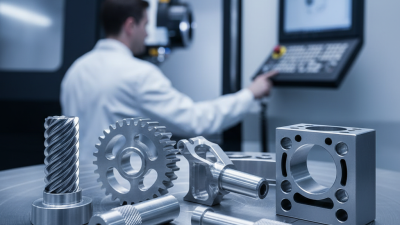
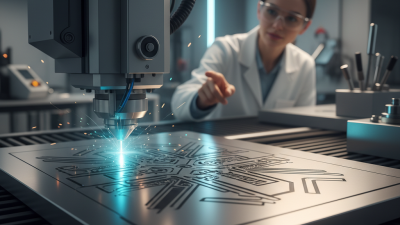
CNC machining plays a vital role in modern manufacturing. It refers to the process of using computer-controlled machines to produce complex parts. According to a recent report by MarketsandMarkets, the global CNC machining market is projected to reach $100 billion by 2025. This growth reflects the rising demand for precision components across various industries, including aerospace and automotive.
Despite its advantages, CNC machining is not without challenges. The cost of setting up CNC machines can be significant. Small businesses may struggle to invest in this technology. Additionally, operators need specialized skills to program and manage these machines effectively. A lack of trained professionals can hinder production efficiency.
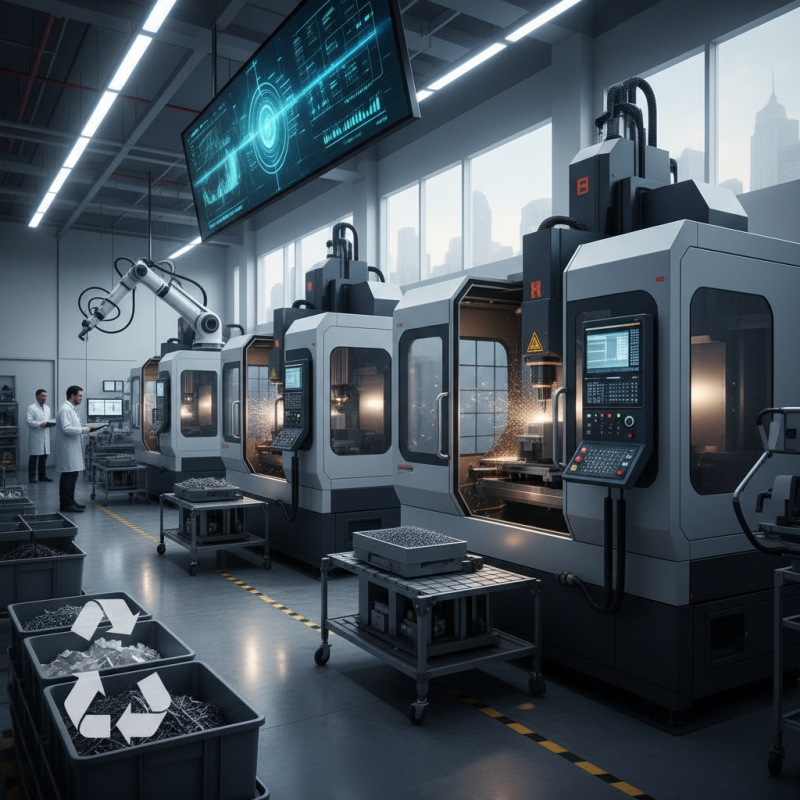
Furthermore, the environmental impact of CNC machining deserves attention. Waste generation from machining processes is a concern. Ensuring sustainable practices will be crucial for the industry's future. As technology evolves, CNC machining must balance efficiency with ecological responsibility. This ongoing dialogue will shape the industry's direction in the coming years.
What is CNC Machining?
CNC machining stands for Computer Numerical Control machining. It is a manufacturing process that uses computers to control machine tools. This technology has revolutionized how parts are created in various industries. CNC machining enables high precision, repeatability, and efficiency, making it ideal for producing complex shapes.
The process begins with creating a 3D model using CAD software. This model is then converted into a CNC program, which guides the machinery. The machine cuts, drills, or mills the material based on the program's instructions. Common materials used include metals, plastics, and composites. However, achieving perfection can sometimes be challenging. Minor errors in programming or setup can lead to machining flaws.
With CNC machining, even intricate designs are possible. Yet, this technology does require skilled operators who understand both the software and the machinery. As manufacturing evolves, there can be a steep learning curve. Continuous education is vital for staying current with advancements. Embracing imperfections can lead to newer innovations in CNC processes.
The History and Evolution of CNC Technology
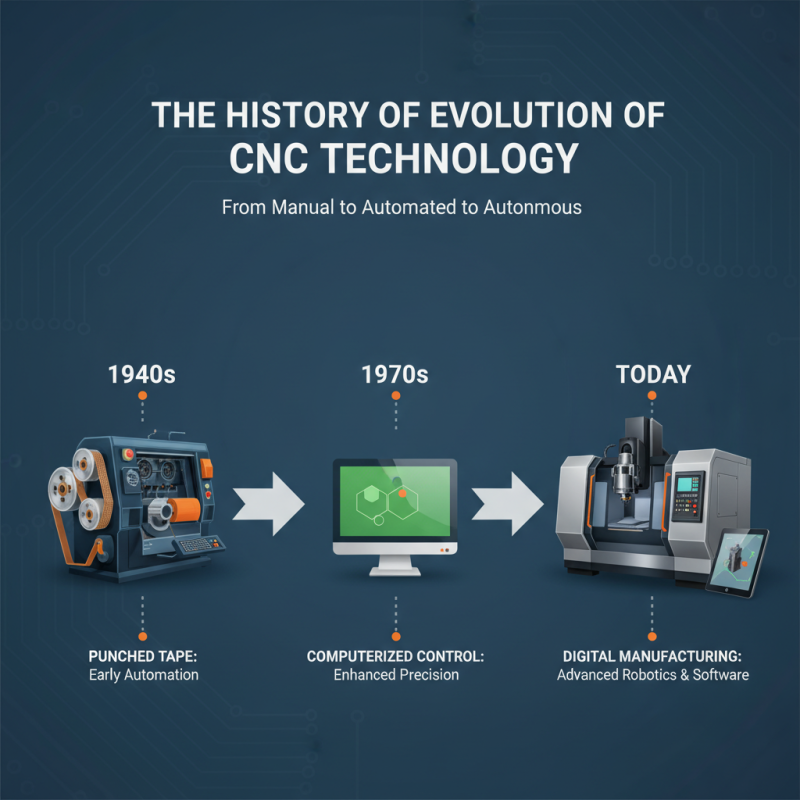
CNC technology has a fascinating history. The roots can be traced back to the 1940s. Initially, it utilized punched tape for machine control. This was a breakthrough in automation. Over the decades, advancements in electronics transformed CNC machining. By the 1970s, computers enhanced precision and efficiency significantly.
An interesting aspect is that while technology advanced, the basic principles remained similar. Older machines required manual programming. Modern CNC machines often use CAD software. This change makes programming easier for designers. It's crucial to adapt and learn these new tools.
Tip: Always keep equipment updated. Aging machines can lead to inaccuracies. Maintenance is essential for optimal performance.
CNC's journey reflects a blend of creativity and necessity. Each new development aimed to improve productivity. Yet, challenges such as software glitches still arise. Users often find themselves troubleshooting issues that weren’t present in earlier models. This is a reminder that progress, though beneficial, comes with its own set of complications.
Tip: Regular training can mitigate some challenges. Stay informed about software updates. It enhances both skills and machine performance.
Key Components of CNC Machines
CNC machines have several key components that ensure effective operation. The most critical part is the computer control unit. It interprets the digital design and translates it into movements. Operators usually program these instructions through user-friendly software. It is crucial to note that software glitches can occur, leading to unexpected results.
Another essential component is the motion system. This includes the spindle, motors, and linear guides. The spindle holds the cutting tool, while motors drive the machine's movements. If the calibration is off, the machine may produce inaccurate cuts. Regular maintenance checks on these parts can help prevent errors.
Lastly, the workpiece fixtures keep materials secure during machining. Good clamping is vital to prevent vibrations, which can affect precision. Sometimes, users overlook the importance of proper setup, leading to wasted materials. Understanding these components can significantly enhance the CNC experience, but consistent practice and caution are necessary for optimal results.
How CNC Machining Works: Step-by-Step Process
CNC machining is a fascinating process that transforms raw materials into precise components. The steps involved are methodical and detailed. Initially, a 3D computer-aided design (CAD) model is created. This model is essential for guiding the CNC machine. According to a report by MarketsandMarkets, the CNC machine market is projected to reach $100 billion by 2027, underscoring its significance in manufacturing.
The next phase involves converting the CAD model into a Computer-Aided Manufacturing (CAM) file. This file instructs the CNC machine how to move and shape the material. Then, the raw material is securely mounted onto the machine. The spindle spins at high speeds, often exceeding 20,000 RPM, to facilitate precise cutting. Each pass of the tool removes material, creating the desired shape. Yet, inaccuracies can occur, often related to tool wear or improper setup. These challenges need continuous monitoring to ensure consistency.
Finally, the finished part is evaluated for quality. Inspection techniques may include measuring tolerances with micrometers or using non-destructive testing. Being off by even a small fraction can affect the part's functionality. Consequently, manufacturers must implement rigorous quality control processes. While CNC machining provides high precision, the human element must not be overlooked, as operator skill significantly impacts outcomes.
What is CNC Machining and How Does it Work? - How CNC Machining Works: Step-by-Step Process
| Step |
Description |
Tools Used |
Material Types |
| 1 |
Design the part using CAD software. |
CAD Software |
Aluminum, Steel, Plastic |
| 2 |
Convert designs into CNC code (G-code). |
CAM Software |
Aluminum, Brass |
| 3 |
Set up the CNC machine with tools and material. |
CNC Machine, Tooling |
Steel, Titanium |
| 4 |
Run the CNC program to start machining. |
CNC Machine |
Plastics, Composites |
| 5 |
Inspect the machined part for accuracy and quality. |
Measuring Instruments |
Steel, Aluminum |
Applications of CNC Machining in Various Industries
CNC machining plays a crucial role in various industries. Its versatility allows for precision manufacturing in sectors like aerospace, automotive, and medical devices. According to a 2022 report by Market Research Future, the global CNC machine market is expected to grow at a CAGR of 6.7% from 2021 to 2027. This growth emphasizes the importance of CNC machining in today’s manufacturing landscape.
In aerospace, CNC machining ensures high precision. Components such as turbine blades and structural parts require tight tolerances. A slight deviation can lead to failures. Similarly, the automotive industry leverages CNC for efficient production of complex parts. It aids in creating lightweight components that enhance fuel efficiency. In medical manufacturing, CNC machines produce surgical instruments with intricate designs. According to a 2021 study, over 60% of medical device manufacturers rely on CNC technology for accuracy.
Despite its advantages, challenges remain. The initial setup costs can be significant. Smaller manufacturers may struggle to adopt this technology fully. Additionally, the skill gap in CNC programming can hinder productivity. Continuous training is essential to keep pace with evolving technologies. Balancing automation with skilled labor is a pressing issue. The industry must address these hurdles to harness the full potential of CNC machining.