CNC Machining Tips for Efficient Global Sourcing Practices?
CNC machining has revolutionized the manufacturing landscape, allowing businesses to create precise components efficiently. As companies seek to optimize their global sourcing practices, understanding the nuances of CNC machining becomes critical. Effective sourcing strategies can significantly reduce costs and lead times. However, many organizations often overlook critical factors, resulting in missed opportunities.
A common challenge is selecting the right CNC machining partner. Businesses must not only evaluate the technical capabilities of suppliers but also their reliability and communication. Establishing clear criteria is essential. Additionally, thorough due diligence is necessary. Have they demonstrated quality control? What do other clients say about them? Reflection on these questions can prevent costly mistakes down the line.
Moreover, sourcing decisions should not solely focus on price. Cheaper options may compromise quality or lead to supply chain disruptions. It’s crucial to strike a balance. Therefore, businesses must consider not just manufacturing capabilities but also geographical factors and supplier stability. This approach can enhance the effectiveness of CNC machining in global sourcing efforts.

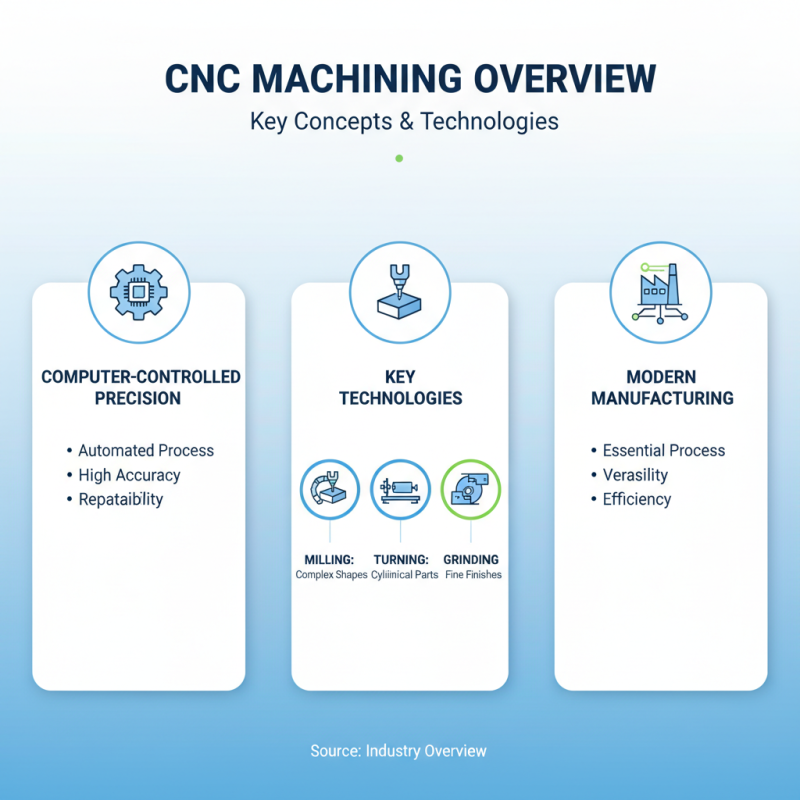
CNC Machining Overview: Key Concepts and Technologies in the Industry
CNC machining is an essential process in modern manufacturing. It utilizes computer-controlled machines to produce precise components. Key technologies include milling, turning, and grinding. Each of these processes offers unique advantages. For instance, milling provides versatility for complex shapes. Meanwhile, turning excels in creating cylindrical parts.
Data from the 2021 Global CNC Machining Market Report indicates that the market is expected to reach $100 billion by 2026. This growth highlights the demand for efficiency and accuracy. Companies are increasingly adopting advanced CNC technologies, such as multi-axis machines and automation. These innovations enhance productivity but require skilled operators to manage complexity.
Achieving optimal sourcing practices involves understanding the industry's key concepts. Supply chain flexibility and local regulations must be considered. Many companies struggle with balancing cost and quality. Efficient sourcing requires constant evaluation of suppliers and materials. Building strong relationships with reputable suppliers can minimize risks. This ensures that production standards are met while adapting to global market changes.
Understanding Global Sourcing: Trends and Market Dynamics in CNC Machining
Global sourcing in CNC machining has become a critical aspect of modern manufacturing. Companies are increasingly looking overseas for cost-effective solutions. Understanding market dynamics is essential for successful procurement. Trends indicate a shift toward sustainability and technological integration in sourcing practices.
Consider these tips for efficient sourcing. First, assess the capabilities of potential suppliers. Verify their production capacity and quality control measures. Effective communication is key. Misunderstandings can lead to delays and dissatisfaction. Next, evaluate the logistics involved in your sourcing decisions. Delays in shipping can negate cost savings.
Keep in mind; relationships matter. Building strong partnerships with suppliers can foster collaboration and innovation. Additionally, stay informed about geopolitical factors that may impact your supply chain. Unforeseen events, like trade implications or tariff changes, can disrupt sourcing strategies. Be prepared to adapt and reassess your plans regularly.
CNC Machining Global Sourcing Trends (2023)
Cost Analysis: Evaluating CNC Machining Options Across Global Suppliers
Evaluating CNC machining options across global suppliers can be a daunting process. It involves thorough cost analysis to ensure efficient practices. Start by collecting quotes from various suppliers. Each quote reveals different pricing structures.
A lower price may not always mean better value. Hidden costs can inflate overall expenses.
Consider factors beyond the price tag. Lead times, quality assurance, and logistical challenges also impact the total cost. A supplier with a slightly higher price could save money in shipping and delays. An unreliable partner can lead to expensive production setbacks.
Compare not just numbers, but overall capabilities too.
Reflect on your own sourcing strategies. Are you prioritizing cost over quality?
It’s a common mistake. Quality issues in CNC machining can lead to costly revisions.
Balancing cost with reliability is key. Engage with suppliers to clarify their processes. Open communication can reveal invaluable insights that affect long-term partnerships.
Be prepared to adjust your approach based on the analysis you gather. Each detail matters in this global marketplace.
Quality Assurance: Best Practices for CNC Machining in Global Sourcing
Quality assurance in CNC machining is critical for global sourcing. Ensuring precision and consistency is vital. One effective approach is to establish clear specifications. This helps to mitigate misunderstandings between suppliers and manufacturers. Without well-defined parameters, the risk of defects increases. Misalignment can lead to costly reworks and delays.
Implementing rigorous quality checks is also essential. Regular audits of suppliers can help uphold standards. Some firms overlook this, assuming all suppliers adhere to the same level of quality. This assumption can be dangerous and lead to unwanted surprises. It's important to review inspection reports and be proactive in addressing issues.
Training and communication play significant roles too. Both parties need to understand quality expectations. Investing in staff training boosts overall quality control measures. Not all companies prioritize this, which can result in gaps in skills and knowledge. Collaboration fosters a culture of quality among global partners. Frequent conversations can clarify expectations and lead to improved practices.
CNC Machining Tips for Efficient Global Sourcing Practices
| Tip |
Description |
Best Practice |
Quality Assurance Measure |
| Select Reliable Suppliers |
Research and assess potential suppliers for their reliability and performance history. |
Request references and conduct background checks. |
Utilize supplier audit reports and certifications. |
| Define Clear Specifications |
Provide detailed drawings and specifications to avoid misunderstandings. |
Use 3D models and prototypes as references. |
Implement a feedback loop for clarification on specs. |
| Regular Communication |
Keep open lines of communication with suppliers throughout the project. |
Schedule regular updates and check-ins. |
Utilize project management tools for tracking progress. |
| Inspect Incoming Goods |
Establish a process for receiving and inspecting parts upon arrival. |
Use inspection checklists to ensure all criteria are met. |
Implement a quality control team for detailed assessments. |
| Utilize Technology |
Leverage tools like CAD and CAM for precise design and efficient machining. |
Invest in training staff for software proficiency. |
Conduct periodic technology assessments for upgrades. |
Supply Chain Strategies: Optimizing CNC Machining for Efficient Sourcing
Efficient sourcing in CNC machining demands careful attention to supply chain strategies. Understanding the complexities of global sourcing can enhance overall effectiveness. Optimizing processes requires a blend of technology and insight. The right software can improve communication and reduce errors. Transparency in data sharing fosters trust among supply chain partners.
A key element is establishing strong relationships with suppliers. Regular check-ins can uncover potential issues early. Additionally, having multiple suppliers for critical components offers flexibility. This strategy helps mitigate risks associated with disruptions. However, managing many suppliers can complicate logistics. Balancing efficiency and oversight becomes essential.
Investing in training can elevate team performance. Employees who understand CNC technology can make informed decisions. This enhances problem-solving capabilities. However, not every worker may grasp advanced techniques right away. Ongoing education is vital for maintaining a knowledgeable workforce. Encourage feedback to identify gaps in understanding.