
Choosing a reliable Drain Pump manufacturer in China requires more than comparing prices or reading attractive catalog claims. The right supplier should understand your equipment, drainage conditions, operating hours, and installation limits. A pump for a commercial washing machine faces different demands from one used in an air conditioner or compact dishwasher. Flow rate, head height, noise, power consumption, materials, and service life must match the application. Small details matter. A few millimeters of outlet size can create leakage, vibration, or poor drainage. Experienced buyers usually request drawings, performance curves, sample units, and test records before approving production. They should also check whether the factory controls incoming materials, assembly, electrical safety, and final inspection.
This guide explains how to assess China’s leading Drain Pump manufacturers through practical, evidence-based questions. “Top” should not mean the loudest online presence. It should reflect consistent quality, engineering capability, transparent communication, and dependable after-sales support. Look for relevant certifications, traceable production records, realistic delivery commitments, and experience with your target market. A factory visit or third-party audit can reveal more than a polished website. Ask to see endurance testing, rejected samples, packaging standards, and corrective-action reports. No supplier is perfect. Even strong manufacturers may have weaknesses in tooling, customization, or response speed. That is why a balanced evaluation is safer than a rushed decision. By comparing technical fit, total cost, risk controls, and long-term cooperation, buyers can choose with confidence and fewer unpleasant surprises.
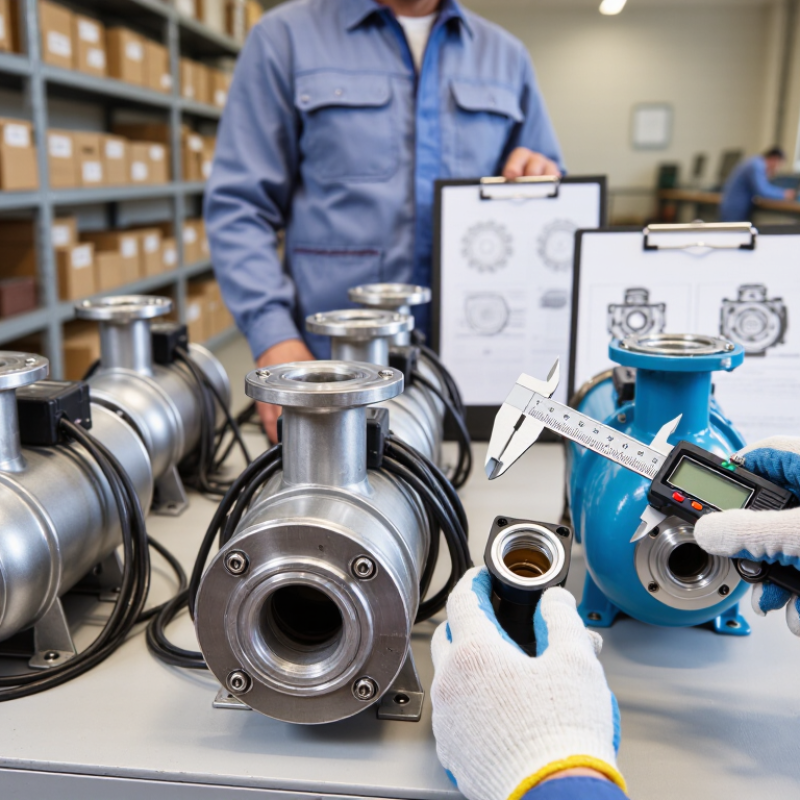
Drain pumps differ by structure and working conditions. Centrifugal pumps suit washing machines, dishwashers, and light wastewater. Diaphragm pumps handle condensate and intermittent drainage. Peristaltic designs protect fluids from contamination, but their tubing needs regular replacement. Application matters more than catalog appearance.
Application matters more than catalog appearance.
According to the International Energy Agency’s Energy Efficiency 2023 report, motor-driven systems consume nearly half of global electricity. Therefore, efficiency deserves attention, even for a small drain pump. Check flow rate, maximum head, inlet size, voltage, operating temperature, noise, and duty cycle. A pump rated at 20 L/min may deliver much less against a three-meter lift. That detail is often missed. For kitchens or laundry rooms, confirm solids tolerance and corrosion resistance. For condensate systems, verify continuous operation and overflow protection. ISO 9906 test principles can support more reliable performance comparisons. However, laboratory figures may not match a clogged real-world drain.
Tips: Request a performance curve, not only a headline flow rate. Test the pump with the actual pipe length and height. I have seen installations fail because the outlet hose bent sharply. Also inspect IEC 60335-2-41 safety compliance where household appliances are involved. Lower power is useful, but a weak pump can run longer and waste more energy. Perfect selection is difficult; maintenance access still needs reflection.

When evaluating China’s top drain pump manufacturers, begin with evidence rather than polished websites. A reliable supplier should explain flow rate, head height, voltage, frequency, insulation, and operating temperature clearly. Ask for current test reports, production photos, and a traceable quality-control process. Vague answers deserve attention.
Request samples that match your real application. Test them with the intended pipe diameter, water level, and daily operating cycle. Measure noise, discharge speed, power consumption, and starting performance. Check whether the pump includes thermal protection and suitable ingress protection.
Test it yourself. A sample that performs well for ten minutes may struggle after several hours.
Factory experience also matters. During a supplier visit or video audit, observe material storage, assembly benches, wiring checks, and final inspection records. Confirm whether critical components come from stable sources. Review warranty terms, replacement procedures, packaging strength, and spare-part availability.
A dependable manufacturer should provide drawings, manuals, inspection data, and responsive technical communication. However, certification logos alone prove little; verify certificate numbers and scope with the issuing organization.
I once focused too heavily on a low quotation and overlooked inconsistent documentation. That decision created delays later. Price still matters, but it should be compared with failure risk, testing discipline, and after-sales support. Supplier evaluation is rarely perfect, so record unanswered questions before signing.
Choosing a top drain pump manufacturer requires more than comparing catalog prices. In supplier audits, I check water ingress, winding insulation, shaft alignment, and seal performance. A pump should survive repeated starts, blocked outlets, and wet storage. Small details matter. Ask for test records showing flow rate, head pressure, noise, temperature rise, and electrical safety. The U.S. Department of Energy reports that pumping systems can consume 25–50% of industrial electricity in some facilities, so inefficient motors create measurable operating costs.
Certifications also need careful verification. Request the actual scope of the ISO 9001 certificate, not only a logo on a website. For household or commercial units, test evidence should reference applicable requirements in IEC 60335-2-41. Where relevant, verify CE documentation, RoHS declarations, and ingress-protection test results. A certificate alone is not proof. Check the issuing body, certificate validity, model numbers, and test laboratory. The 2023 ISO Survey recorded more than 1.2 million ISO 9001 certificates worldwide, showing how common certification has become, but not every certificate reflects strong factory control.
Production capability is visible on the factory floor. Look for automated winding, calibrated inspection tools, barcode traceability, and 100% end-of-line testing. Review defect rates, warranty returns, corrective-action reports, and monthly capacity. Pilot samples should run under dirty-water conditions, not only clean laboratory water. I still find supplier evaluations too dependent on documents; that is a weakness worth admitting. An on-site audit and independent sample test can reveal what paperwork misses.
China Top Drain Pump Manufacturers: How to Choose?
Price is important, but the lowest quotation can hide testing fees, tooling costs, or weak materials. Compare complete offers, not unit prices alone. Request a sample and inspect its flow rate, noise, power use, and sealing quality. A reliable manufacturer should provide clear specifications, production details, and realistic delivery dates. Ask about minimum order quantities too. Small orders may carry higher prices.
Customization becomes valuable when the pump must fit a special tank or drainage system. Discuss voltage, outlet size, cable length, float switches, housing materials, and packaging. Share drawings with revision numbers. This prevents small misunderstandings from becoming expensive production errors. Confirm whether a custom mold belongs to you and whether future orders require new tooling charges. Some details still get missed.
After-sales support often separates a dependable supplier from a temporary seller. Check the warranty period, spare-part availability, troubleshooting process, and response time. Ask for inspection records and installation guidance before placing a large order. A professional team should explain likely failure causes instead of blaming installation immediately. Request contact with a technical representative, not only a sales account. Keep every promise in writing. Clearance procedures and electrical requirements may also differ by destination, so verify them with qualified local professionals.
This non-brand-specific benchmark compares common supplier tiers using three practical purchasing criteria: price competitiveness, customization capability, and after-sales support. Scores are normalized on a 0–100 scale, where a higher score indicates stronger performance.
Budget-oriented suppliers typically offer the strongest price advantage, while premium suppliers generally provide better engineering customization and service coverage. Buyers should evaluate total cost of ownership, including product quality, lead time, warranty terms, spare parts availability, and technical response time.
Selecting the best drain pump manufacturer starts with your project conditions, not a catalog price. Record the required flow rate, lifting height, liquid temperature, solids size, operating hours, and installation space. A pump handling basement seepage differs from one serving commercial laundry equipment. The wrong duty point can cause noise, overheating, or repeated clogging.
Industry data supports careful efficiency checks. The U.S. Department of Energy reports that pumping systems can consume 25% to 50% of industrial motor energy. Therefore, request tested performance curves, motor efficiency data, and power consumption at your actual duty point. ISO 9906 provides internationally recognized methods for rotodynamic pump performance testing, while IEC 60529 defines IP enclosure protection ratings. These references help compare manufacturers using evidence rather than sales claims. Ask for traceable test records, material certificates, and production inspection procedures.
Supplier experience also matters. Review failure records, spare-parts availability, response times, and technical support in your destination market. A factory audit can reveal calibration practices, winding quality, seal inspection, and final load testing. However, paperwork is not enough. Request a sample unit and run it through realistic conditions, including frequent starts and dirty water. I would not rely on one successful test; field feedback may expose weaknesses that laboratory data misses. The International Energy Agency continues to emphasize motor-system efficiency, but efficiency alone cannot compensate for poor sealing or unsuitable materials. Choose the manufacturer that can explain limitations clearly. That honesty is useful.
Please fill out this form and we will get an order or estimate ready for you. Please give us as much detail as you can for us to get started, and we will contact you to finsh the work order.