How to Choose the Right Flat Bar Steel for Your Project?
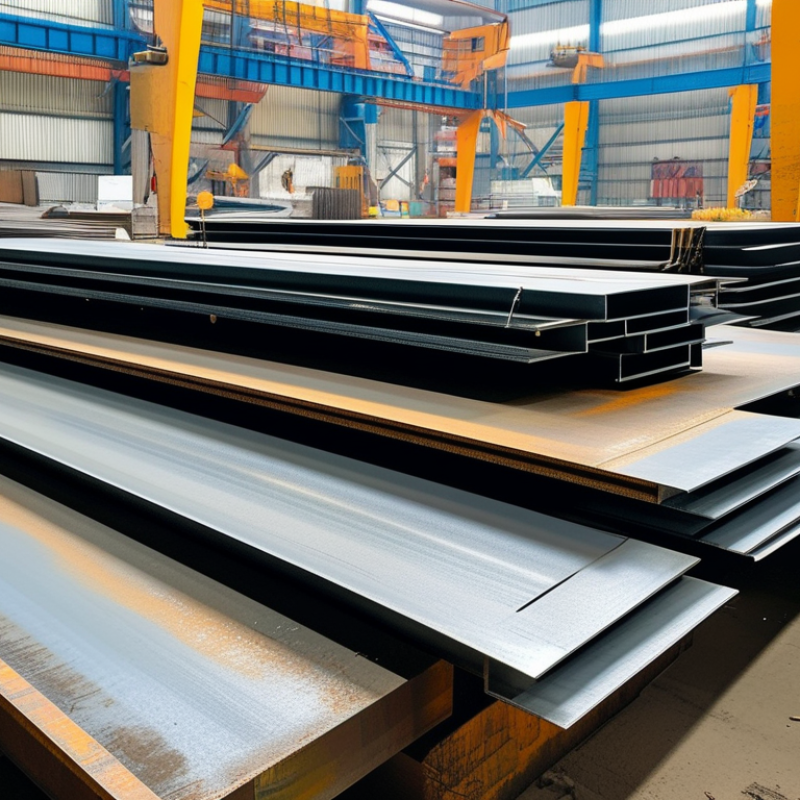
Choosing the right Flat Bar Steel for your project can be challenging. Flat bar steel is a versatile material, commonly used in construction, manufacturing, and fabrication. Selecting the correct type ensures the success of your project.
Understanding the specifications of flat bar steel is crucial. There are various grades and sizes to consider. Each project has unique requirements. Factors such as load capacity and environmental conditions will influence your choice. It's not just about strength; aesthetics and finish can also matter, depending on the application.
While many may think all flat bar steel is the same, that’s misleading. Improper selection can lead to structural failures or increased costs. Take time to research suppliers and their standards. Seek expert advice when needed. Your project deserves the right materials for optimal results.
Understanding the Different Types of Flat Bar Steel Available
When selecting flat bar steel for a project, it's essential to understand the types available. Flat bar steel can vary significantly in terms of composition, size, and finish. Common grades include mild steel, stainless steel, and alloy steel, each serving unique purposes. Mild steel is malleable and easy to work with, making it suitable for general construction. According to industry reports, about 70% of flat bar steel used is mild steel due to its affordability and versatility.
Stainless steel flat bars, on the other hand, offer corrosion resistance and aesthetic appeal. They are often used in architectural applications or industries where hygiene is crucial. Data indicates that the demand for stainless steel is rising, reflecting a shift towards durability in design. Alloy steels, with enhanced properties, are ideal for more specialized applications. However, selecting the right type can be complex, and mistakes can lead to project delays.
Understanding the dimensions and thickness of flat bar steel is equally important. Standard dimensions can range from 1/2 inch to several inches wide. However, sourcing specific sizes may pose challenges. Over 30% of fabricators report difficulties in obtaining the exact dimensions required. This highlights the need for careful planning and consideration of supply chain factors. Overall, getting the right flat bar steel requires both knowledge and a strategic approach.
Assessing the Mechanical Properties Required for Your Project
Choosing the right flat bar steel begins with understanding the mechanical properties needed for your project. Mechanical properties such as tensile strength, yield strength, and ductility play critical roles. For example, steel with a high tensile strength of around 580 MPa can handle significant loads. This makes it ideal for structural applications where strength is key.
Ductility is another important factor. A ductile flat bar can deform under stress without fracturing. For instance, A36 steel, commonly used in construction, has a yield strength of about 250 MPa and a tensile strength of around 400-550 MPa. Assessing the specific requirements can prevent failures and ensure safety in installations.
Moreover, the environment can influence the choice of steel. In corrosive environments, select a flat bar with appropriate coatings or higher resistance properties. The American Institute of Steel Construction emphasizes proper assessment of these factors. Ignoring them can lead to susceptibility to failure or premature wear. Not every project requires the same type of steel, so an understanding of the unique demands is vital.
Mechanical Properties of Flat Bar Steel for Various Applications
Evaluating the Dimensions and Thicknesses Suitable for Use
When selecting flat bar steel, dimensions and thicknesses are crucial. Industry reports indicate that flat bars typically range from 10 mm to 100 mm in width. The thickness can vary from 3 mm to 20 mm. These measurements cater to various applications, from framing to structural support.
Understanding your project requirements is essential. Thinner bars may suffice for lightweight applications, while thicker bars provide better support and durability. A study from the Steel Construction Institute reveals that 40% of structural failures are linked to improper material selection. This emphasizes the importance of choosing the right thickness for safety and functionality.
Manufacturers often provide charts that outline weight per meter for flat bars. This data can guide decisions based on load-bearing needs. However, it's vital to cross-reference these specifications with project demands. Relying solely on manufacturer data may overlook specific project conditions. Thus, evaluating your unique situation smoothly integrates expertise and reliability.
Considering Corrosion Resistance and Coating Options
When selecting flat bar steel, corrosion resistance is crucial. It determines how well the material withstands environmental factors. If your project is outdoors or in humid conditions, consider steel with high corrosion resistance. Stainless steel and galvanized options are common choices. Each type offers different levels of protection, depending on the environment.
Coating options also play a significant role in enhancing resistance. Powder coatings provide a tough exterior. They are durable and often come in various colors. However, not all coatings are equal. Some may chip or wear off, exposing the metal beneath. It's essential to research the long-term effectiveness of each coating type.
Remember, the choice is not always clear-cut. Consider your project's specific needs and the local climate. Achieving the right balance between protection and aesthetics can be challenging. Don't hesitate to consult with a steel expert to ensure you make the best decision. Getting feedback can offer new insights that help in your choice.
Budgeting and Sourcing Flat Bar Steel: Tips and Best Practices
When budgeting for flat bar steel, several factors come into play. Prices can fluctuate based on market conditions. According to the Steel Market Update, flat steel prices averaged around $800 per ton in early 2023, highlighting the need for careful financial planning. Determine your project's specific requirements, such as dimensions and weight. A precise estimate helps avoid overspending.
Sourcing flat bar steel also demands a strategic approach. Local suppliers may offer different pricing and availability than larger retailers. Building relationships with suppliers can yield benefits, such as bulk discounts or alerts on price drops. A 2023 report from the American Iron and Steel Institute emphasizes that securing a reliable supply chain is crucial in today’s volatile market. Sometimes, sourcing options may not meet your project timelines, potentially leading to costly delays.
Researching various suppliers is essential. Reviews and ratings provide insight into their reputation. However, be prepared for inconsistencies in quality and service. Effective communication with suppliers reduces misunderstandings. Having a backup supplier can mitigate risks associated with delays or shortages. It's wise to remain adaptable and ready to reassess your choices as market conditions evolve.