2026 How to Choose the Best Cutting Table for Your Kitchen Needs?
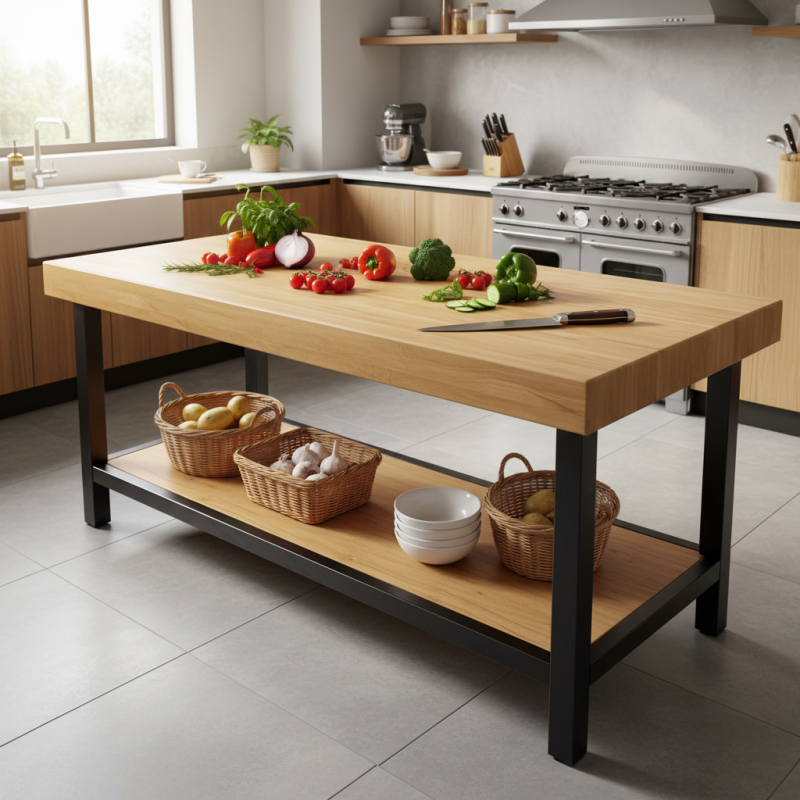
Choosing the right cutting table is crucial for any kitchen. Renowned kitchen design expert, John Doe, emphasizes, "A cutting table is where culinary magic begins." The right table can elevate your cooking experience. It provides not just space but also functionality.
When looking for a cutting table, consider size and material. A larger table offers more room for prep, while wood or bamboo adds warmth. However, one must reflect on maintenance needs. Every material has pros and cons. A plastic cutting table is easier to clean but less durable than wood.
Don’t overlook the height and stability of your cutting table. An ideal height reduces strain on your back. A stable surface ensures safety during use. Think about your own cooking habits. Tailoring your choice to your needs can make all the difference in your kitchen adventures.
Understanding Different Types of Cutting Tables for Kitchens
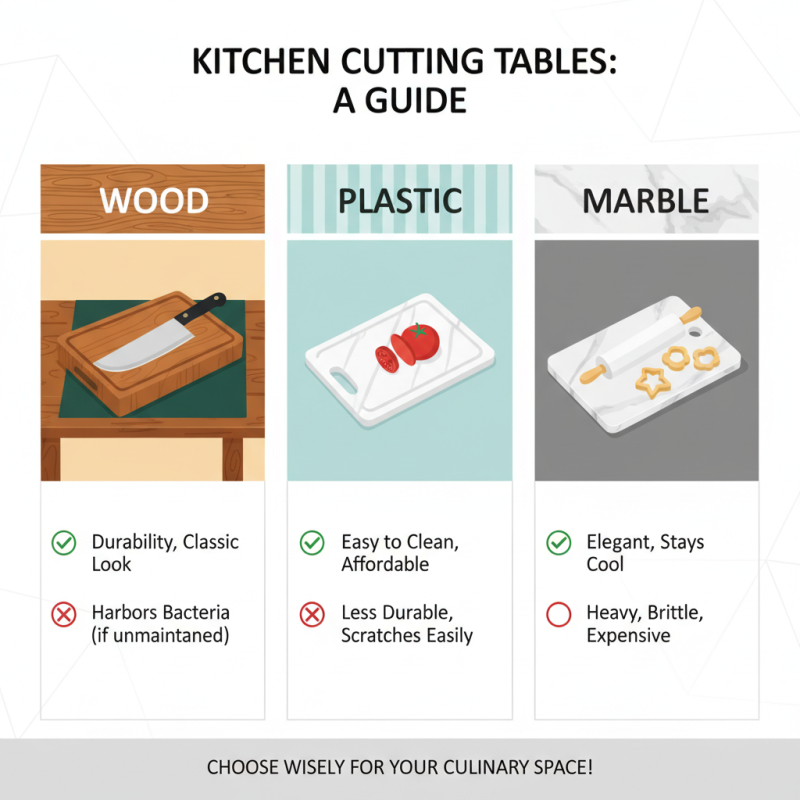
When selecting a cutting table for your kitchen, understanding the different types is essential. There are various materials available, such as wood, plastic, and marble. Each has its own set of benefits and drawbacks. Wooden tables, for instance, offer durability and a classic look. However, they can harbor bacteria if not maintained correctly. Plastic, on the other hand, is easy to clean but may not withstand heavy use.
Tips: Consider your cooking habits. If you chop often, opt for a harder surface. It will resist cuts and provide longevity. A marble table can be great for dough preparation. But it requires careful handling to avoid scratches.
Different sizes also matter. A small table fits well in compact kitchens but may lack space for large meals. Conversely, a larger table can become a gathering point but may dominate your kitchen. Balance is key here. Reflect on your kitchen layout and workflow to find the perfect match.
Tips: Don't rush your decision. Try various tables in-store. Feel the surface and envision your cooking style. This hands-on experience is invaluable.
Evaluating Size and Space Considerations for Your Kitchen Layout
When choosing a cutting table for your kitchen, size and space are crucial. Measure your kitchen to see what fits. A large table may sound ideal, but it can overcrowd a small kitchen. Think about the flow of movement. You need space to move around easily while cooking. A narrow or compact table can often be more practical.
Consider the height of the cutting table. It should be comfortable for you. A table that's too high or too low can lead to back strain. Think about storage, too. Some tables have shelves or drawers. This can help you keep your kitchen organized. But remember, too much storage can also take up space and complicate your layout.
Reflect on the table's location. Will it be against a wall or in the center? An island can be a great option, but it requires more space. Sometimes, it's good to leave open areas for versatility. Always envision how you cook. If you often need a lot of space, a larger table is better. If you have limited room, make sure your choice fits your needs.
2026 How to Choose the Best Cutting Table for Your Kitchen Needs?
| Dimension |
Description |
Recommended Size (in inches) |
Space Consideration |
| Height |
Ideal for comfortable chopping and food preparation |
36 - 39 |
Should match the height of other kitchen surfaces |
| Width |
A balance for working space without crowding |
24 - 36 |
Ensure room to maneuver around the table |
| Depth |
Sufficient area for food prep and tools |
18 - 30 |
Should fit kitchen layout without blocking pathways |
| Material |
Durability and cleaning considerations |
N/A |
Choose based on kitchen style and usage |
| Shape |
Works with kitchen layout and workflow |
Square, Rectangular, Round |
Consider how it fits with other kitchen elements |
Materials and Durability: Choosing the Right Surface for Your Needs
When selecting a cutting table, surface materials are crucial.
Wood offers a warm and traditional feel, ideal for chopping and slicing.
However, it can be prone to scratches and bacteria if not properly maintained. Frequent oiling is essential, yet it can feel like a chore.
Stainless steel is another option. It’s durable and easy to clean.
This surface resists scratches and stains, making it suitable for heavy-duty use.
On the downside, it can become cold and unwelcoming. Many chefs find it lacks the character of wood tables.
Consider composite materials too.
They blend durability with aesthetic appeal. These surfaces can handle daily wear while looking good.
However, they can be more expensive.
Weighing these pros and cons will guide you in making the right choice for your kitchen needs.
Essential Features to Look for in a Cutting Table
When looking for the best cutting table for your kitchen, essential features are key. Start with the size. A table that is too small can limit your workspace, while one that is too large may crowd your kitchen. Consider your kitchen layout. Will the table fit comfortably? It’s best to measure each area before making a decision.
Material matters considerably. Wood, for instance, provides a warm aesthetic. It is gentle on knives. However, it requires regular maintenance. Stainless steel, on the other hand, is durable. It’s easy to clean too. Think about what fits your lifestyle. If you cook regularly, choose a durable surface.
Storage is another factor worth considering. Some cutting tables come with drawers or shelves. These can help organize your tools and keep your workspace tidy. But beware of tables without proper stability. A wobbly table can lead to accidents. Always test how sturdy it feels. Evaluate not only how it looks but how it functions in your daily routine.
Budgeting and Cost Analysis for Your Kitchen Cutting Table انتخاب
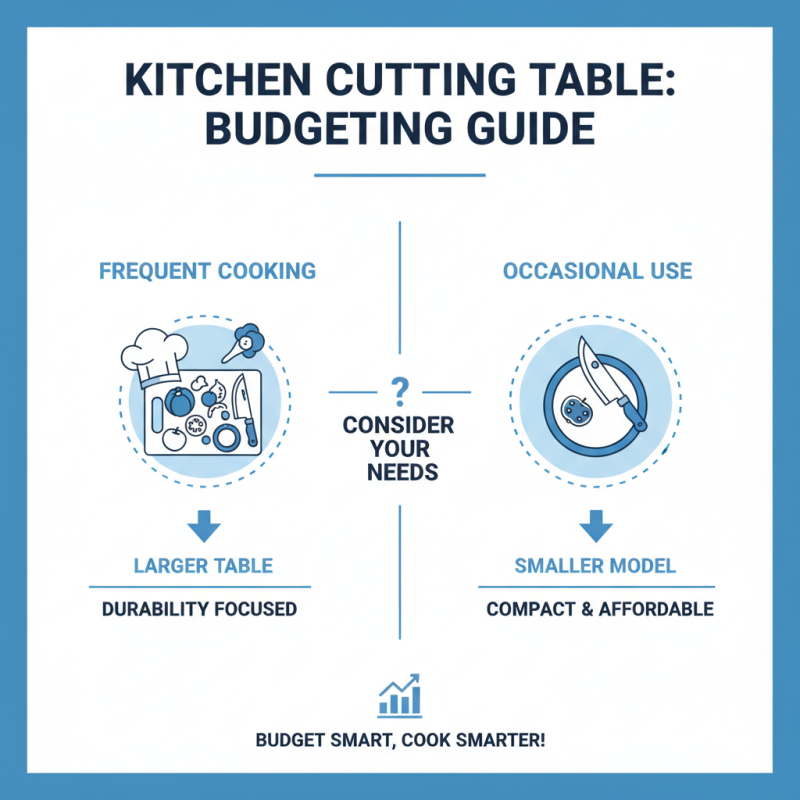
Budgeting for a kitchen cutting table can be tricky. Think about what you need. Do you cook often? A larger table may be better. For occasional use, a smaller model could suffice.
Consider materials. Wooden tables offer warmth but can be pricey. Metal options are durable and easier to clean. Remember, there may be hidden costs. Delivery fees or assembly costs can add up quickly.
Reflect on your space. A beautiful table is nice, but it must fit. Measure your kitchen before deciding. You might love a table, but if it doesn’t fit, it’s a waste. Prioritize practicality over aesthetics to avoid unexpected issues later on.