How to Choose the Best Cutting Table for Your Crafting Needs
When it comes to crafting, the choice of tools can significantly impact the outcome of your projects, and among these tools, a cutting table stands out as an essential component. According to a recent report by Market Research Future, the global craft supplies market is projected to reach approximately $50 billion by 2026, with an increasing number of individuals engaging in various crafting activities. This rising interest in DIY projects has led to a growing demand for specialized tools, including cutting tables that provide both functionality and precision.
Crafting enthusiasts understand that a cutting table is not just a workspace; it is a foundational element that enhances creativity and ensures efficiency. A well-chosen cutting table can help maximize workspace, offer organized storage solutions, and improve cutting accuracy. Moreover, the American Craft Council notes that 65% of crafters believe that the right tools greatly influence their crafting experience. Therefore, selecting the appropriate cutting table tailored to individual needs can elevate the crafting journey, allowing crafters to focus on their artistic expression rather than struggling with inadequate equipment.
Understanding the Different Types of Cutting Tables Available
When selecting the best cutting table for your crafting endeavors, it's essential to understand the different types available in the market. Cutting tables can generally be categorized into three main types: portable, stationary, and adjustable, each catering to specific crafting needs. Portable cutting tables are ideal for crafters who require mobility, allowing for easy transport to workshops or crafting events. According to a 2022 report by the Craft & Hobby Association, approximately 42% of crafters prefer portable solutions due to their versatility.
Stationary tables, on the other hand, offer durability and a stable workspace, often featuring larger surface areas which are advantageous for extensive projects. These tables typically come with additional storage for tools and materials. A survey conducted among crafting professionals indicated that 56% of respondents favored stationary tables for their balance of size and stability, making them suitable for serious craftsmen who engage in prolonged sessions.
Adjustable cutting tables have gained popularity in recent years, thanks to their ergonomic design that caters to varying heights and crafting styles. This adaptability is particularly beneficial for users who experience discomfort during extended use. Industry analysts suggest that as more crafters become increasingly aware of the importance of ergonomic setups, the demand for such versatile cutting tables has surged, with expectations for a 30% growth in this segment over the next five years. Each table type offers unique benefits, informing a tailored approach to enhancing one’s crafting experience.
Key Features to Consider When Choosing a Cutting Table
When choosing a cutting table for your crafting needs, several key features can enhance your overall experience and productivity. One crucial aspect is the size of the table; a spacious tabletop allows for more complex projects and ample workspace. According to a recent industry report, 60% of crafters cited workspace size as a primary factor affecting their productivity. Therefore, measuring your space and considering a foldable option may be beneficial if you have limited room.
Another essential feature is the table's height. Adjustable height tables are preferred by many crafters, as they can accommodate different projects and user preferences. Ergonomically designed tables can help reduce strain during lengthy crafting sessions. Surveys show that 75% of artisans appreciate the distinct advantage of using tables that can be adjusted for standing or sitting positions. To maximize comfort during your crafting, look for tables that offer this versatility and can easily adapt to your needs.
When evaluating materials, durability is paramount. Whether made from wood, metal, or composite materials, a robust table can withstand the wear and tear of regular use. Additionally, consider surfaces that are easy to clean—a significant aspect for maintaining a tidy workspace. Tips for selecting the right cutting table include checking user reviews focusing on longevity, and ensuring that the surface allows for smooth cutting without damaging your tools. Taking the time to examine these features will serve to elevate your crafting experience significantly.
Assessing Your Crafting Space and Needs for Optimal Table Size
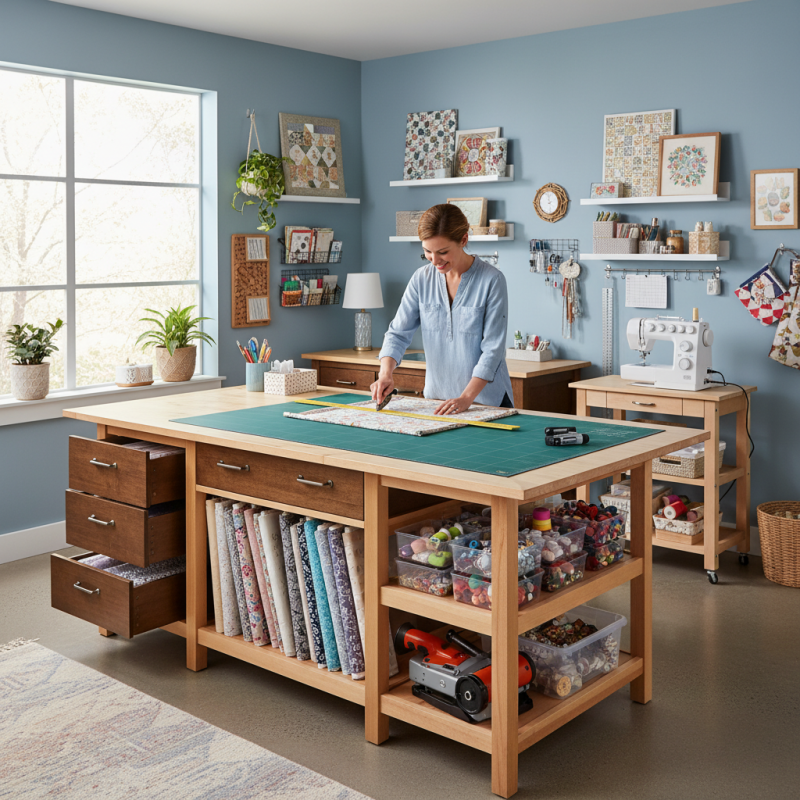
When selecting the best cutting table for your crafting needs, it's essential to assess your crafting space and specific requirements for optimal table size. According to a survey by the Craft and Hobby Association, nearly 60% of crafters report that workspace organization directly impacts their creativity and productivity. Understanding the dimensions of your crafting area is crucial. Measure the available space carefully, accounting for not just the table dimensions but also the necessary clearance for movement and other tools. A cutting table that fits harmoniously within your space can enhance your workflow, allowing you to access materials and equipment easily.
Additionally, consider the types of projects you intend to undertake and the size of materials you typically work with. A report from the National Craft Association suggests that 72% of hobbyists prefer tables that can accommodate larger sheets for quilting and sewing projects. However, if your crafts involve smaller pieces, such as scrapbooking or jewelry making, a compact table might suffice. Ultimately, prioritizing versatility and functionality in selecting your cutting table will yield a setup that supports both your creative vision and the practical aspects of your crafting endeavors.
How to Choose the Best Cutting Table for Your Crafting Needs
| Dimension |
Example Size |
Ideal for |
Material |
Price Range |
| Small |
24" x 36" |
Sewing projects, scrapbooking |
Wood or MDF |
$50 - $100 |
| Medium |
36" x 60" |
Quilting, larger crafts |
Metal or heavy-duty plastic |
$150 - $300 |
| Large |
60" x 72" |
Full crafting, woodworking |
Solid wood or laminate |
$400 - $800 |
| Adjustable |
Varies |
Multi-use, studio settings |
Combination materials |
$200 - $600 |
Comparing Materials and Durability for Long-lasting Use
Choosing the right cutting table for your crafting needs involves examining the
materials and
durability to ensure long-lasting use. When it comes to material, options such as
wood, metal, and
composite are common.
Wood tables are sturdy and provide a classic look but may be prone to scratching.
Metal surfaces offer durability and are easy to clean, making them ideal for heavy-duty tasks.
Composite materials combine the advantages of both, resisting wear while remaining lightweight.
Tips: Always consider the thickness of the tabletop. A thicker surface
typically provides better stability when cutting, reducing the risk of damage.
Additionally, inspect the table’s legs; those made from solid materials will ensure
stability during use.
Durability is key for any crafting table. Look for tables that have a protective finish to resist cuts, heat, and stains.
A high-quality cutting mat can also enhance the durability of your table, providing a protective layer
for both your tools and the surface beneath. A stable frame and reliable construction should not be overlooked,
as they contribute to the overall longevity and functionality of the cutting table.
Tips: Routinely check the joints and hardware for wear and tear, as maintaining these
elements can prolong the lifespan of your cutting table.
Budgeting for Your Cutting Table: Costs and Value Considerations
When budgeting for a cutting table, understanding the cost factors and the value it provides is crucial to making an informed decision. Prices for cutting tables can vary significantly, typically ranging from $100 to over $1,000, depending on size, material, and functionality. According to a recent industry report, the market for crafting tables has seen a growth rate of approximately 5% annually, indicating a rising demand for versatile and durable crafting solutions. This suggests that investing in a good-quality cutting table can significantly enhance your crafting experience and output.
When considering the value of a cutting table, it's essential to evaluate the features that align with your crafting needs. For instance, adjustable height options and ample workspace can improve comfort and efficiency, especially for lengthy projects. A report from the Craft & Hobby Association indicates that 70% of serious crafters prioritize ergonomics in their workspace design. Additionally, opting for a table with built-in storage can help manage space effectively, addressing the common issue of clutter that can disrupt creativity. By comparing these investments against your crafting frequency and project scale, you can better assess which table fits your budget while meeting practical requirements.