How to Choose the Best CNC Machining Parts for Your Project?
When selecting the best CNC machining parts for your project, understanding industry standards is vital. According to recent surveys, the CNC machining market is projected to reach $100 billion by 2026, reflecting a growing demand for precision-engineered components. High-quality CNC machining parts are crucial for the efficiency and durability of products across various sectors.
Inconsistent approaches to choosing CNC machining parts can lead to unexpected challenges. For instance, a 2022 study indicated that 30% of manufacturers faced delays due to poor part selection. Understanding materials, tolerances, and manufacturing processes is essential. This knowledge ensures that the chosen parts meet the specific needs of your project.
Investing time in research can prevent costly mistakes. Reliable suppliers and accurate specifications significantly impact project success. However, many overlook these factors. Attention to detail in selecting CNC machining parts can greatly enhance product performance and longevity.
Understanding CNC Machining: Key Concepts and Terminology
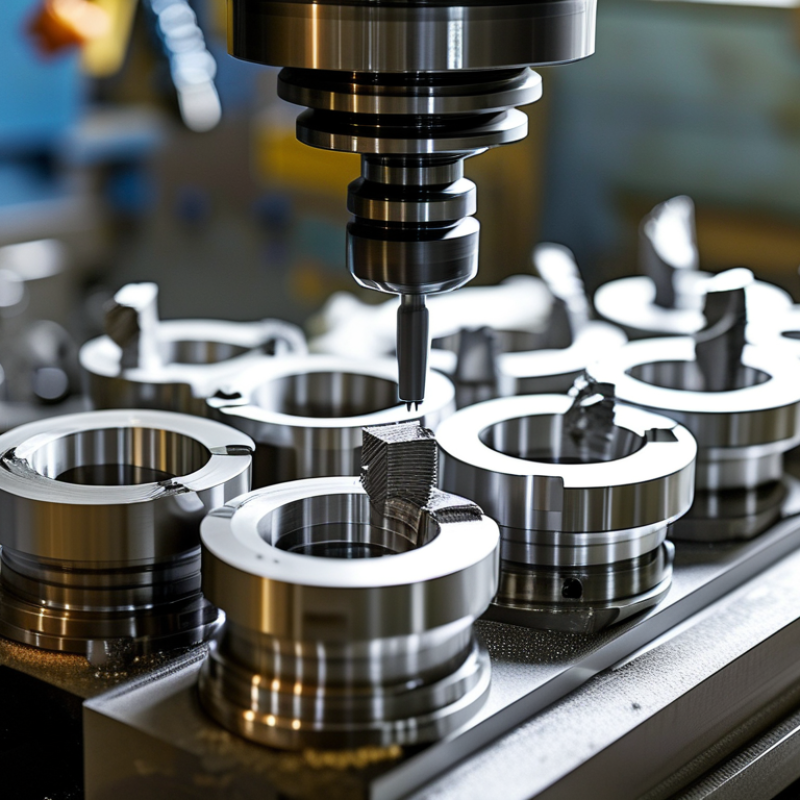
CNC machining is a precision manufacturing process that transforms raw materials into intricate parts. Understanding key terminology is essential for effective communication in this field. Concepts like G-code and tooling play crucial roles. G-code is the programming language that dictates machine movements. Tooling encompasses the various tools used for cutting, shaping, and finishing components.
Data from the International Federation of Robotics shows that the CNC machining industry has grown significantly, with robotics usage increasing by over 30% in recent years. This highlights the importance of employing advanced technology in manufacturing. Precision is vital. Just a minor deviation in tooling can affect the entire project outcome. Common issues include tool wear and material discrepancies. Awareness of these challenges can improve project planning.
Moreover, recognizing the specific materials used in CNC machining can impact results. Metals such as aluminum and steel behave differently under various machining processes. Reports indicate that aluminum parts typically showcase a higher strength-to-weight ratio compared to steel. This makes them favorable in industries like aerospace. A wrong material choice can lead to failures or increased costs. Being detail-oriented and informed about these aspects is essential for project success.
Evaluating Material Options: Selecting the Right Alloy for Durability
Choosing the right alloy for CNC machining parts significantly impacts durability. Different materials yield different results in strength, weight, and resistance to corrosion. Aluminum and stainless steel are popular choices, but they serve distinct purposes. Aluminum is lightweight and easy to machine, while stainless steel offers superior strength and resistance to wear.
When selecting an alloy, consider the environment in which your parts will operate. Will they face high temperatures or moisture? This will influence your choice of material. Additionally, always think about the final application of the parts. Will they bear heavy loads or high stress? An understanding of these factors can help prevent potential failures in your project.
Tips: Test small samples of each material before making a large order. This can reveal performance issues that may not be obvious initially. Pay attention to the machining process itself. Some materials are harder to work with and may lead to increased costs. Lastly, consult with experts to gain insights from their practical experiences. Their knowledge can guide you in making informed material decisions.
Assessing Tolerance Levels: Importance of Precision in CNC Parts
Precision is critical when choosing CNC machining parts. The tolerances of these parts can significantly affect the overall quality and functionality of your project. According to a report from the International Journal of Advanced Manufacturing Technology, even a small variance in tolerance can lead to an assembly failure, highlighting the need for meticulous assessment.
When evaluating tolerance levels, consider both the function and the environment of the parts. For example, components used in aerospace applications typically require tighter tolerances than those used in furniture manufacturing. The average tolerance for general machining can range from ±0.005 inches to ±0.0005 inches, but specific projects may push these limits. Poor tolerance selection may lead to increased scrap rates and higher costs.
Consult with your CNC provider about the maximum tolerances they can achieve. Ask about their experience with similar projects. Check for certifications and past performance metrics. Evaluate if their equipment and techniques can meet your needs. Measure your project's demands critically and align them with available capabilities.
Accuracy in CNC machining is not just a technical aspect; it also reflects on the overall integrity of your project. Sometimes, overlooking minute details can have larger implications. Strive for a balance between ideal tolerances and the project's reality.
Cost Analysis: Balancing Budget with Quality in CNC Manufacturing
Choosing the right CNC machining parts requires a careful cost analysis. Balancing budget with quality is essential for project success. In 2022, a report from IBISWorld noted that the CNC machining industry generated approximately $64 billion in revenue in the United States. However, it's crucial to recognize that higher costs do not always guarantee superior quality.
When evaluating potential suppliers, consider the trade-offs. Manufacturers often offer a range of pricing based on material, precision, and production speed. A recent study indicated that companies prioritizing quality over cost reduced their defect rates by nearly 30%. Yet, a focus solely on cost savings may lead to inferior products that compromise functionality. Look for suppliers who provide transparent breakdowns of their costs and quality assurance processes.
Moreover, unexpected costs can arise during production. An evaluation of the CNC machining sector revealed that up to 15% of projects exceeded initial budgets due to revisions and unanticipated complexities. Review your design thoroughly to avoid such pitfalls. Collaborating with experienced engineers can help identify potential issues early, ultimately leading to a more balanced approach that honors both budget and quality.
Supplier Selection: Finding Reliable CNC Machining Service Providers
Choosing the right CNC machining service provider is crucial for the success of your project. Reliable suppliers should have a proven track record. Look for companies with positive customer reviews and testimonials. Understand their experience in your specific industry. Communication is key; a responsive supplier can make a big difference.
Evaluate their technical capabilities and certifications. A good supplier should possess relevant certifications that demonstrate quality standards. Ask about their equipment. Advanced machines often result in better precision and quality in parts. Pay attention to their production capabilities. Are they equipped to handle both small prototypes and large production runs?
Consider the supplier's location. Proximity can affect delivery times and shipping costs. It’s vital to establish a relationship of trust. Sometimes, numbers can be misleading. Ensure the supplier is transparent about their processes and pricing. This clarity helps avoid future misunderstandings. Remember, reflecting on the selection process is essential. Ask yourself if you considered all factors thoroughly.