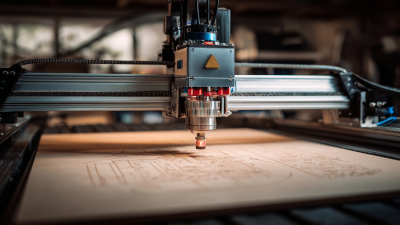
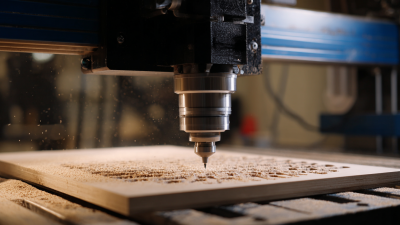
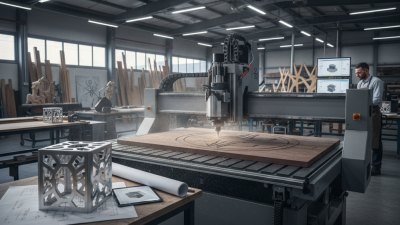
Ultimate Guide to Choosing the Best CNC Engraver for Your Projects
When it comes to creating detailed and intricate designs, a CNC engraver stands out as a vital tool. These machines are capable of transforming ideas into tangible products with precision. However, the process of selecting the right CNC engraver can be daunting. Many options are available, each catering to different needs and applications.
The features and specifications of CNC engravers vary significantly. Some might offer speed and efficiency, while others excel in detail and accuracy. Understanding your project requirements is crucial to making the right choice. This includes considering the materials you will work with, the size of your projects, and the level of detail you want to achieve. You may feel overwhelmed by the range of choices.
Reflecting on your specific needs will help clarify your decision. A well-chosen CNC engraver can enhance creativity and productivity. However, overlooking key aspects can lead to frustration. Balancing cost, capability, and usability will pave the way for successful projects. Ultimately, finding the ideal CNC engraver requires careful thought and a willingness to adapt to your unique needs.
Understanding CNC Engravers: Types and Applications
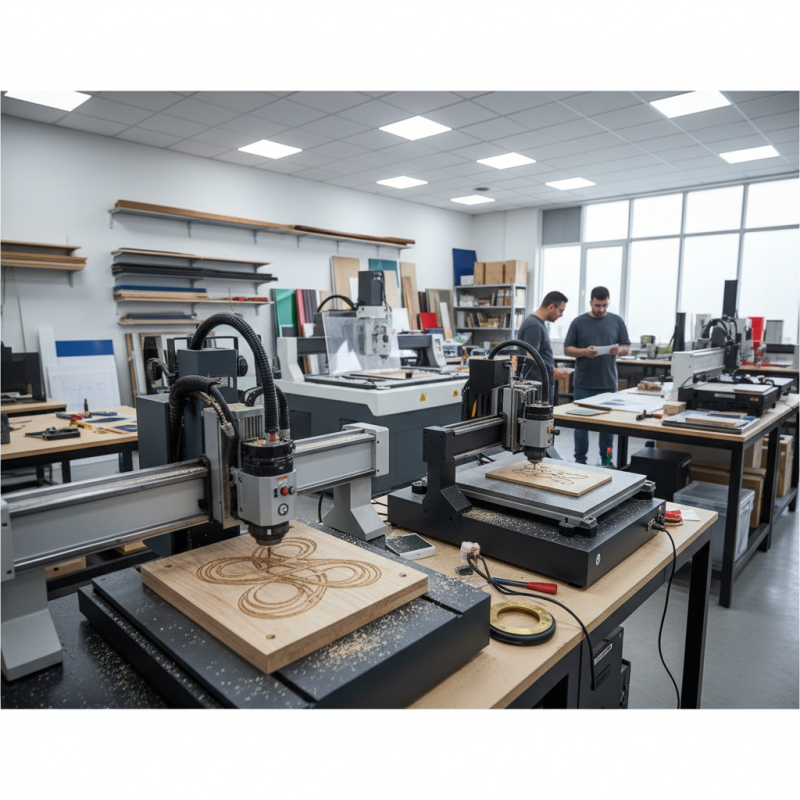
CNC engravers come in various types, each suited for different projects. Some are designed for wood, while others excel with metals or plastics. Each material requires unique settings and techniques. Users must understand these differences to achieve optimal results. Engraving complexity varies, from simple designs to intricate patterns. Be mindful of your project's demands when choosing an engraver.
Applications of CNC engravers span many fields. Artists use them for customized artwork. Businesses may employ them for branding or product design. They are valuable in manufacturing, creating precise parts. However, selecting the right machine isn't always straightforward. Many factors impact performance, including speed and precision. Operators must experiment to find the ideal setup for their needs. Mistakes are part of the learning curve. Each failure offers insights that refine future projects.
Performance Comparison of Different CNC Engraver Types
Key Features to Consider When Choosing a CNC Engraver
When selecting a CNC engraver, several key features demand attention. The machine's size is crucial. Ensure it fits your workspace while accommodating your project dimensions. An engraver with a limited working area can restrict creativity. Think about what you will be engraving. Are your projects small, or will they require a larger surface?
Speed and precision are equally important. A faster engraver might seem appealing, but accuracy shouldn’t be sacrificed. Look for a balance between these factors. High speed can lead to mistakes, affecting the end result. Also, consider the materials the machine can handle. Wood, metal, and plastics each require different approaches.
Don’t overlook user-friendliness. A complex machine can lead to frustration. Difficult setups and programming can waste valuable time. Many users often regret not choosing a simpler model. Evaluate how intuitive the software is. Read reviews or watch tutorials to gauge overall user experience. Even small details, like control panels or LCD displays, can make a difference in daily operations.
Comparing Price Ranges: Budgeting for Your CNC Engraving Needs
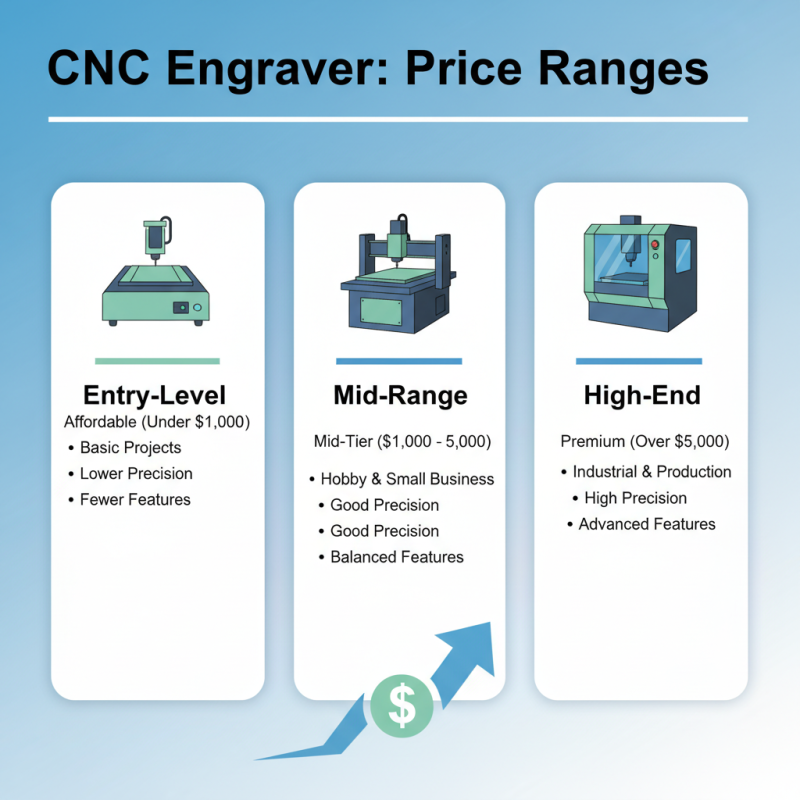
When budgeting for your CNC engraving needs, understanding price ranges is essential. The market offers a variety of options, from entry-level machines to high-end models. These machines vary significantly in quality and functionality. Entry-level CNC engravers can be quite affordable. They might lack precision but are fine for basic projects. You may have to compromise on features.
Mid-range CNC engravers strike a balance. They offer improved precision and features without breaking the bank. Generally, they are suitable for small businesses or serious hobbyists. However, you might still encounter limitations. Sometimes, the added features may not be worth the extra cost for your specific needs.
High-end options come with advanced technologies. These machines provide superior precision and versatility. But this does not mean they are always the right choice. The initial investment is substantial, which can lead to buyer's remorse if not used properly. Evaluating what you truly need for your projects can help you avoid overspending. Always consider your specific applications when making choices.
Evaluating Software Compatibility for Your CNC Engraver
When choosing a CNC engraver, software compatibility is crucial. Many users overlook this aspect. Yet, data shows that about 70% of CNC issues stem from software problems rather than hardware. A compatible software suite enhances your machine's functionality and reduces errors. Look for systems that support popular formats like DXF and STL. This ensures you can import designs with ease.
Consider user experience with software. A clunky interface can slow you down. Reports suggest that 60% of users experience frustration due to non-intuitive software. A good solution should offer tutorials and community support. Explore open-source options, as they can be flexible and less costly. However, they sometimes lack comprehensive support, which can be a drawback.
Don't forget to check the system requirements of the software. Insufficient memory or processing power can lead to lag. In fact, 50% of performance issues arise from inadequate resources. Assess your computer setup prior to purchase. It’s also wise to read reviews about software updates. Frequent changes can be beneficial but may introduce new bugs. Compatibility is not just about connection; it’s about workflow efficiency and creativity.
Maintenance Tips to Ensure Longevity of Your CNC Engraver
Proper maintenance is crucial for the longevity of your CNC engraver. Regularly check the machine for dust and debris. A clean workspace can prevent many issues. Use a soft brush or compressed air to remove particles that might interfere with operation. It may seem tedious, but ignoring these small tasks can lead to bigger problems down the line.
Lubrication is another key aspect. The moving parts need regular oiling to function smoothly. Consider creating a schedule for lubrication based on usage frequency. However, over-lubrication can attract more dust. Finding the right balance is essential, and it may take some trial and error.
Daily inspection of components is essential. Look for wear and tear, especially on bits and belts. Sometimes, minor damage goes unnoticed until it causes a malfunction. Keep an eye on electrical connections too. They can loosen over time, which affects performance. Reflecting on these maintenance practices will save time and money in the long run.