How to Choose the Best Bending Equipment for Your Needs?
Choosing the right bending equipment is crucial for manufacturing success. According to a recent report by Market Insights, the global bending equipment market is projected to reach $5 billion by 2025, growing rapidly due to increased demand in automation. Expert Sarah Johnson, a leading figure in manufacturing technology, states, "Investing in the right bending equipment can significantly enhance productivity and reduce operational costs."
When selecting bending equipment, consider your specific needs. Is your operation focused on high volume or specialty bending? The type of materials you work with also matters. Heavy-duty machines may be required for thick metals, while lighter options suit thinner materials. Remember, features like automation and versatility can influence long-term efficiency.
Evaluating options can feel overwhelming. Not all equipment delivers the promised performance. You must weigh specifications against your operational requirements carefully. A mismatch may lead to unexpected challenges later. Ultimately, the right choice depends on thorough research and understanding of your unique situation.
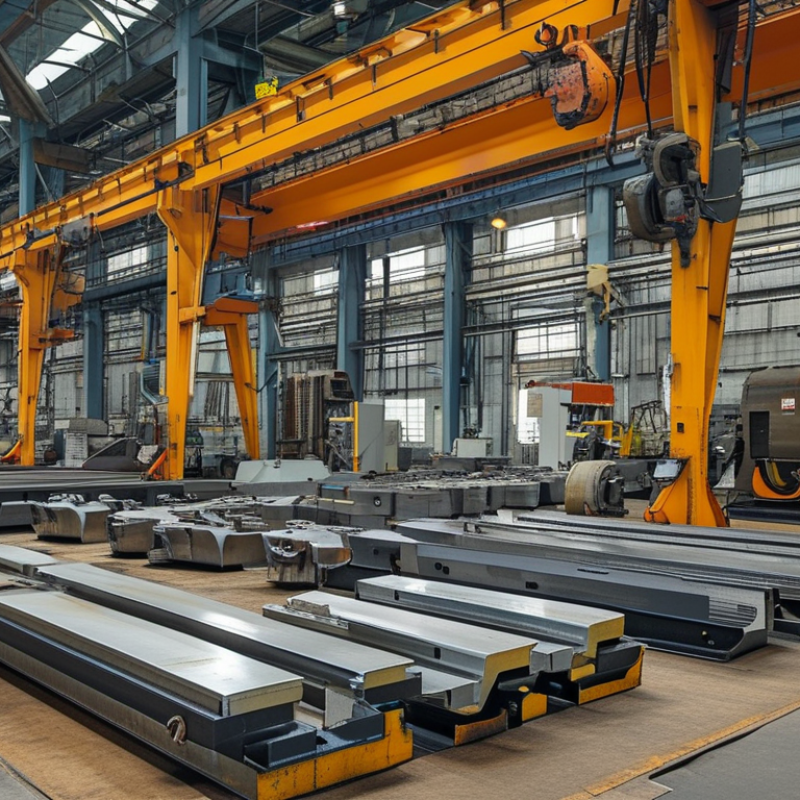
Understanding Different Types of Bending Equipment Available in the Market
When choosing bending equipment, understanding different types is crucial. There are several options available in the market. Each type serves specific needs. For instance, hydraulic benders use fluid pressure to bend materials. They are ideal for thick metals and large diameters. However, they can be expensive and require a power source.
Another popular option is the manual bender. These devices are cost-effective but require more physical effort. They work well for small projects or light materials. When selecting, consider the material types you’ll work with. Each material may respond differently to various bending methods.
It's important to assess your projects and skill level. Beginners may struggle with advanced equipment. Training or support might be necessary for complex machines. The right choice should match not just your current needs, but also future projects. Exploring these options with careful thought can lead to better results.
How to Choose the Best Bending Equipment for Your Needs? - Understanding Different Types of Bending Equipment Available in the Market
| Type of Bending Equipment | Material Compatibility | Max Bending Capacity (mm) | Typical Applications | Cost Range (USD) |
| Hydraulic Press Brake | Steel, Aluminum | 10 - 200 | Sheet Metal Fabrication | $20,000 - $100,000 |
| Mechanical Press Brake | Steel, Stainless Steel | 5 - 150 | Automotive Components | $15,000 - $80,000 |
| Electric Press Brake | Aluminum, Composite Materials | 1 - 100 | Precision Parts Manufacturing | $30,000 - $90,000 |
| Tube Bending Machine | Steel, Copper | 10 - 80 | Frameworks, Furniture | $5,000 - $50,000 |
| Plate Bending Machine | Mild Steel, Aluminum | 15 - 120 | Industrial Applications | $10,000 - $60,000 |
Key Factors to Consider When Selecting Bending Equipment for Your Project
Selecting the right bending equipment for your project is crucial. Several key factors can guide your decision-making process. Start by assessing the materials you plan to bend. Different metals and thicknesses require specific types of machinery. For instance, stainless steel may demand more powerful equipment than aluminum.
Consider the bending radius you need. Tight bends might require advanced technology. It's vital to ensure your equipment can accommodate these specifications. Pay attention to the machine's versatility. Some equipment can handle multiple tasks, which is advantageous for diverse projects.
User feedback is essential in this selection process. Look for reviews and case studies to get a sense of reliability. Explore the possibility of maintenance and support. Equipment that seems perfect might have hidden costs or issues. Weighing these factors carefully can help you avoid costly mistakes in the future.
Evaluating the Technical Specifications of Bending Machines and Their Impact
When choosing bending equipment, understanding its technical specifications is vital. Different machines offer various bending capabilities, influencing production efficiency and quality. The bending angle, capacity, and speed are key factors to consider. For example, machines with a higher tonnage can handle thicker materials, while speed affects output. This means a 100-ton machine may bend 10 mm steel plate easily, while a lower-capacity machine may struggle, impacting your projects.
In a recent industry report by the International Metalworking Federation, it was noted that around 40% of companies don’t fully utilize their bending machines' capabilities. This can lead to inefficiencies and misuse of resources. Understanding the machine's specifications allows businesses to align them with production needs effectively. Additionally, a well-suited bending machine can reduce waste, cutting costs, and improving environmental impact. Not assessing machine compatibility can lead to operational setbacks, proving the need for thorough evaluation before purchasing.
The complexity of bending machines also lies in their control systems. Advanced models utilize CNC technology for precision. However, the learning curve can pose challenges. Training staff adequately is essential to maximize machine potential. Poor training leads to mistakes and increased downtime, countering the intended efficiency gains. Balancing machine capabilities with user expertise is a critical aspect of successful operation.
Comparing Cost Efficiency: Investment vs. Long-Term Operational Costs
When choosing bending equipment, long-term operational costs often outweigh initial investments. According to a 2022 industry report, 75% of companies experienced lower overall costs by selecting equipment with slightly higher upfront costs but better efficiency. These savings stem from reduced energy consumption, lower maintenance fees, and improved productivity.
For example, hydraulic bending machines typically have higher initial costs but can significantly reduce power expenses. A study indicated that these machines could lower energy use by up to 30% compared to older models. Investing in quality equipment often results in fewer breakdowns and repairs, which can drain resources over time. However, this balance isn't always clear-cut. Some companies rush to the cheapest option without assessing long-term implications.
Operational efficiency can also be impacted by the type of bending tasks performed. Equipment that is versatile may have a higher upfront price, but it reduces the need for multiple machines. A 2023 analysis showed that businesses that invested in multi-functional tools reported savings exceeding 20% in operational costs over three years. The choice of bending equipment must reflect both immediate financial capabilities and strategic operational planning.
Industry Standards and Compliance: Ensuring Quality in Bending Equipment
When selecting bending equipment, compliance with industry standards is crucial. Adhering to these standards ensures that your equipment performs optimally and meets safety regulations. Different industries have specific guidelines that dictate the quality and durability required for bending processes. These include ISO certifications and safety certifications relevant to the machinery.
Quality control in bending equipment cannot be overstressed. Manufacturers often implement rigorous testing protocols to ensure their machines meet these established standards. This includes checks for precision, robustness, and ease of use. However, not all equipment passes these tests. Regular evaluations of equipment effectiveness are essential. This allows companies to avoid costly downtimes due to equipment failures.
Choosing the right bending equipment also involves considering the potential for scalability. Not all equipment suits every project. The right choice hinges on current needs and future expansion. Sometimes, the latest technology appears attractive, but it may not align with long-term goals. Reflecting on past experiences and understanding your specific requirements can guide better decisions.
Comparison of Bending Equipment Features

