How to Choose the Right Sheet Steel Coil for Your Business?
Selecting the right Sheet Steel Coil for your business can significantly impact your production quality and efficiency. According to a report by the Steel Manufacturers Association, the demand for sheet steel is expected to grow by 3% annually over the next five years. This underscores the importance of making informed choices in your procurement processes.
John Smith, a leading expert in the Sheet Steel Coil industry, emphasizes, "Identifying the right specifications is crucial for maximizing performance." Businesses must consider factors such as thickness, coating type, and tensile strength. These criteria directly affect the final product's durability and cost-effectiveness. However, many organizations still struggle to match their needs with the right materials.
It's vital to reflect on your specific requirements and engage with suppliers who can provide the expertise you need. The nuances involved in choosing the right Sheet Steel Coil can seem daunting. Yet, a proactive approach can lead to improved outcomes and reduced waste.
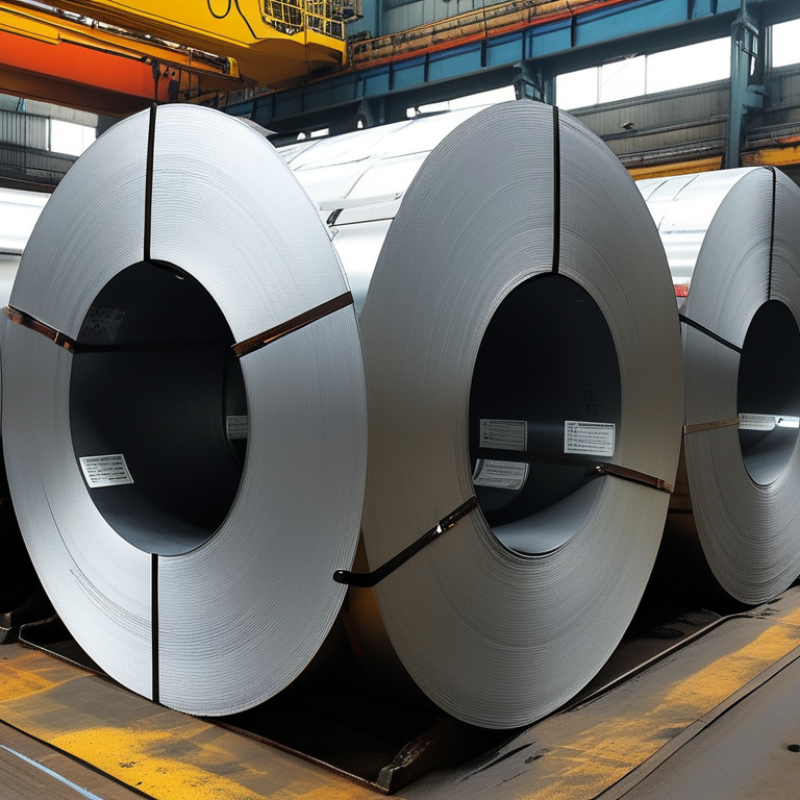
Understanding the Different Types of Sheet Steel Coils
When selecting sheet steel coils, understanding the variety available is crucial. Different types cater to specific needs. Galvanized steel coils are coated with zinc. This protects against corrosion, making them ideal for outdoor use. They are commonly used in construction and automotive sectors. Their durability stands out, but they can be more expensive than other options.
Another popular type is cold-rolled steel. This coil type offers a smoother surface and tighter tolerances. It’s often used in appliances and furniture. However, cold-rolled steel may not provide the same level of corrosion resistance. Therefore, it requires proper maintenance. Recognizing these differences can lead to more informed decisions.
Hot-rolled steel is less refined but is often more cost-effective. It is used in heavy machinery and structural applications. However, its rougher finish might not be suitable for all projects. Consider the specific requirements of your business. Reflect on how each type aligns with your goals and constraints.
Assessing Your Business Needs and Requirements
When selecting the right sheet steel coil for your business, it’s crucial to assess your specific needs. Consider your product applications carefully. Different industries have varied requirements. For example, automotive manufacturing may demand higher tensile strength compared to general construction. Identify the key attributes essential for your end products, like thickness, width, and coating type.
Tips: Evaluate your production processes. Understand how the steel will be used. This can impact the type of coil you select. Also, focus on quality. The steel's chemical composition affects performance. Be aware that not every steel is suited for every environment. For instance, corrosion resistance might be pivotal for outdoor applications.
Keep your budget in mind. It can lead to tough decisions. Higher quality often means a higher price. Yet, compromising on quality can result in increased costs down the line. Reflect on longevity versus initial cost. It’s a balance that requires careful thought. Engaging in discussions with suppliers can yield valuable insights. Don’t hesitate to ask for certifications and product specifications.
Key Factors to Consider in Selecting Sheet Steel Coils
Choosing the right sheet steel coil is crucial for any business that deals with metal fabrication. Several key factors should guide your decision. Start by assessing the coil's thickness. Different applications require varying thickness levels for strength and flexibility. Too thin might not provide durability, while too thick could complicate processing.
Next, consider the steel grade. Common grades include mild steel, galvanized, and stainless options. Each grade has distinct properties impacting corrosion resistance and weldability. Understanding your project's specific needs is essential. What works for one application may not suffice for another.
Surface finish is another important factor. The finish can affect the sheet's appearance and functionality. A smooth surface enhances paint adhesion, while a rough finish might suit certain industrial processes. Think about the final use of the product. Will it require further treatments or exposure to harsh environments? These details can deeply influence your choice of steel coil. Sometimes, it’s a trial-and-error process to find the perfect fit. Identifying your requirements may take time and reflection.
Evaluating Supplier Reliability and Quality Standards
Selecting the right sheet steel coil is crucial for your business's success. Evaluating supplier reliability and quality standards plays a significant role in this choice. A dependable supplier must demonstrate consistency in their product offerings. Look for suppliers with a solid track record of delivering quality steel. Review their history and client testimonials to gauge their reliability.
Tips
Verify certifications. A supplier with recognized quality standards, such as ISO, ensures they meet industry benchmarks. This can reflect their commitment to quality.
It is essential to check for transparent communication. A supplier should provide detailed information about their products, including material specifications and quality control processes. Pay attention to their customer service reputation; responsiveness often indicates a company’s reliability.
Consider shortcomings in a supplier's offerings too. If a supplier consistently has limited options or delays in delivery, rethink your choices. Understanding these aspects can prevent future complications and help you build a fruitful partnership.
Cost vs. Quality: Finding the Right Balance for Your Purchase
When selecting sheet steel coils, balancing cost and quality is essential. A report from the National Steel Alliance notes that high-quality steel can reduce replacement costs and downtime, ultimately saving money long-term. However, many businesses opt for cheaper options. This decision often leads to increased failures and maintenance needs, which can rack up unexpected expenses.
Market research indicates that investing in superior steel not only enhances product durability but can also improve customer satisfaction. For instance, manufacturers using quality steel reported a 30% decrease in product returns. Yet, the initial investment might deter some buyers. This tug-of-war between price and quality requires careful consideration.
It's not always straightforward. Sometimes, cheaper materials may seem adequate initially, but hidden costs can emerge later. Many companies encounter issues due to lower-grade steel, leading to safety and reliability concerns. Finding a balance between budget constraints and the need for high-quality materials is crucial. Selecting sheet steel coils should account for long-term functionality rather than just short-term savings.

