How to Choose Industrial Packaging EVOH for Optimal Protection?
Selecting the right Industrial Packaging EVOH can significantly impact product protection and shelf life. According to a recent report by Smithers Pira, the global demand for advanced packaging technologies, including EVOH materials, is projected to grow annually by 5.8% through 2025. This surge is driven by increasing concern for sustainability and product integrity. EVOH is known for its superior barrier properties, making it ideal for sensitive products.
Dr. Emily Chen, an expert in industrial packaging, emphasizes, “The choice of materials like EVOH can make or break a product’s success in the market.” This highlights the necessity of choosing the right packaging. Many manufacturers still overlook the implications of subpar materials. They often face challenges such as product spoilage or quality degradation.
Understanding the unique properties of Industrial Packaging EVOH is essential for effective decision-making. These materials can be expensive, and not all products genuinely require them. Thoughtful analysis and application could yield significant benefits, yet it requires experience and continual evaluation. Balancing cost with performance is critical, and many businesses struggle with this dilemma. By doing thorough research and seeking expert advice, businesses can navigate these complexities effectively.
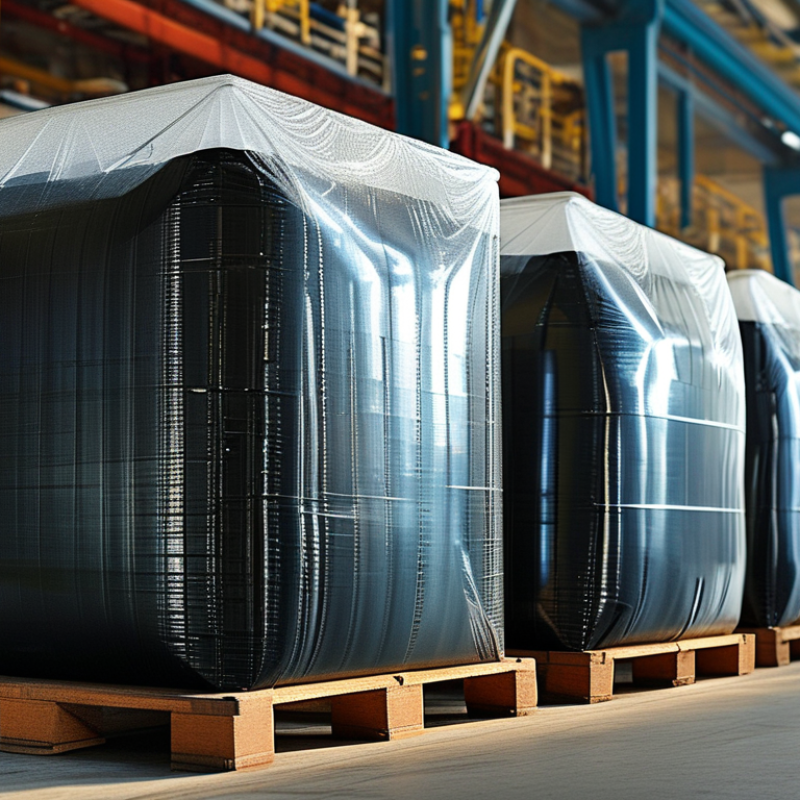
Understanding the Role of EVOH in Industrial Packaging
Choosing the right industrial packaging materials can significantly impact product quality and longevity. EVOH (ethylene vinyl alcohol) is gaining traction due to its excellent barrier properties. It is particularly effective in protecting products from oxygen, moisture, and other environmental factors. According to a recent market analysis, the global demand for EVOH in packaging is projected to reach $2.1 billion by 2026. This illustrates its crucial role in various industries, including food, pharmaceuticals, and cosmetics.
One of EVOH’s standout features is its versatility. It can be layered with other materials to enhance strength and flexibility. This layered approach allows manufacturers to reduce thickness while maintaining durability. For instance, using a thinner modified film can cut costs while still achieving high protective standards. Achieving the right balance is key. Poor selection can lead to product spoilage and financial losses.
**Tip:** Always test EVOH layers with your specific product. Different conditions may affect performance.
It's important to reflect on changing environmental regulations. The push for sustainability may influence the choice of materials. Manufacturers must consider options that align with eco-friendly practices. This awareness can shape future product designs. In some cases, reliance on EVOH alone may not suffice.
**Tip:** Stay informed on advancements in barrier technologies. They are evolving rapidly and can provide better solutions.
Key Properties of EVOH for Enhanced Barrier Protection
EVOH, or ethylene vinyl alcohol, is gaining attention for its superior barrier properties in industrial packaging. This material excels in preventing gases and moisture from compromising products. Its unique molecular structure creates a dense barrier, significantly enhancing shelf life. For industries requiring robust protection, EVOH is an ideal choice.
One important aspect of EVOH is its oxygen barrier capability. It effectively reduces oxygen permeability, which is crucial for perishable goods. This means fewer spoilage incidents and less waste. Additionally, the material is resistant to various solvents, ensuring it can safeguard a wide range of contents. However, manufacturers must consider the thickness of EVOH in their packaging to achieve desired levels of protection.
Despite these advantages, it’s worth noting that EVOH can be sensitive to humidity. In high moisture environments, its barrier properties may decline. This requires careful consideration in packaging design. Not all products benefit equally from EVOH, so testing is essential. By weighing these factors, industries can make informed decisions about their packaging needs.
Comparison of EVOH Barrier Properties for Various Gases
This bar chart illustrates the barrier permeability of EVOH for various gases, highlighting its effectiveness in protecting products from oxygen, carbon dioxide, nitrogen, water vapor, and methane. A lower permeability value indicates better barrier properties, making EVOH an ideal choice for industrial packaging.
Factors to Consider When Selecting EVOH Packaging Materials
When selecting EVOH packaging materials, several key factors come into play. The thickness of the EVOH layer is crucial. Research shows that a thicker EVOH layer provides better barrier properties against gases. This can extend shelf life by up to 50% for food products. However, thicker layers can increase costs and reduce flexibility. A balance must be struck between protection and practicality.
Another important aspect is the compatibility with other packaging materials. EVOH is often used in combination with polyethylene and polypropylene to enhance overall performance. It’s essential to ensure that the bonding strength between these materials is adequate. Incompatible layers can lead to delamination and compromised quality. Industry reports indicate that poor adhesion can result in a 15% loss in packaging integrity.
Additionally, environmental impact can't be ignored. EVOH is recyclable, but not all facilities accept it. As companies aim for sustainability, choosing a material that aligns with recycling goals is vital. Some studies indicate that over 60% of consumers prefer eco-friendly packaging. Manufacturers must evaluate these trends to meet consumer demand while maintaining product protection.
Assessing the Compatibility of EVOH with Various Products
EVOH, or ethylene vinyl alcohol, is widely regarded for its excellent barrier properties. When selecting EVOH for industrial packaging, understanding its compatibility with your product is crucial. Not all products react the same way to packaging materials. For instance, certain food items may require specific barrier levels against oxygen and moisture.
Choosing the right EVOH grade is essential. Different formulations offer varying degrees of permeability. This means some EVOH types might not be suitable for high-fat content foods. Testing your product with several EVOH grades can reveal unexpected interactions. For liquid products, the compatibility can also depend on pH levels.
Tips for Compatibility Assessment:
Conduct compatibility tests in real-world scenarios. Ideal results are often found not in controlled environments but under actual conditions. Evaluate shelf life against packaging to determine effectiveness.
Monitor any changes in product quality during storage. Regular assessment can help identify issues early. Remember that not all grades provide the same protection; a misstep here can lead to spoilage or contamination.
Sustainability Considerations in EVOH Packaging Choices
When considering EVOH packaging, sustainability is crucial. This biopolymer offers excellent barrier properties while being less harmful to the environment. Unlike traditional plastics, EVOH is more biodegradable and promotes recycling.
Tips for selecting eco-friendly EVOH packaging:
- Look for suppliers committed to sustainability. Check for certifications and practices that prioritize environmental care.
- Assess the entire life cycle. Understand how the product is made, from raw materials to production. This insight can help identify carbon footprints.
- Evaluate the end-of-life options. Choose packaging that easily integrates into existing recycling systems.
EVOH packaging can also optimize performance. It prevents oxygen from spoiling food and increases shelf life. While it shines in protection, its reliance on certain materials can lead to waste if not managed properly. Reflecting on this can drive better design choices.
Understanding eco-impact is essential. Sometimes, the most appealing options may not align with sustainable values. Challenge assumptions and seek alternatives that truly reflect eco-conscious choices.
How to Choose Industrial Packaging EVOH for Optimal Protection? - Sustainability Considerations in EVOH Packaging Choices
| Dimension | Explanation | Impact on Sustainability |
| Barrier Properties | EVOH provides excellent barrier against gases and moisture. | Reducing spoilage and waste in food packaging. |
| Recyclability | EVOH can be recycled but requires proper facilities. | Encourages circular economy if recycled properly. |
| Thickness Options | Available in various thicknesses to suit different needs. | Optimizes material usage and reduces waste. |
| Cost | Higher production costs can be a limiting factor. | Exploring cost-effective options improves sustainability. |
| Compatibility | Works well with various materials for multi-layer applications. | Enhances product protection without excess packaging. |

