How to Choose the Best Stainless Steel Chains for Your Needs?
When selecting the best Stainless steel chains, it’s essential to consider various factors. Stainless steel chains are renowned for their durability and resistance to corrosion. According to the Freedonia Group, the demand for stainless steel in various applications is expected to grow at a rate of 5% annually. This indicates a robust market that supports a wide range of options.
Understanding your specific needs is crucial. Different industries utilize stainless steel chains for various purposes. For instance, the construction and manufacturing sectors heavily rely on this material for its strength. In fact, a report by MarketsandMarkets states that the global stainless steel chains market is projected to reach $1.2 billion by 2024.
However, not all stainless steel chains are created equal. Users often struggle with selecting the right type for their needs. With many grades and finishes available, it can be overwhelming. Before making a choice, it’s important to assess your application’s requirements thoroughly. This reflection will lead to a better decision. Choosing wisely now can save time and money later.
Understanding the Different Types of Stainless Steel Chains
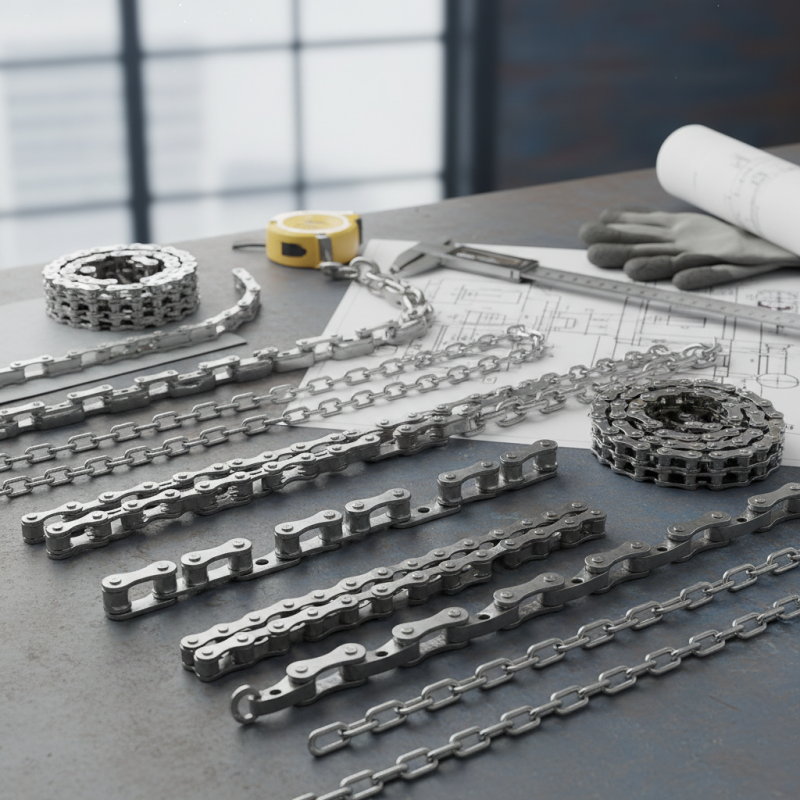
When selecting stainless steel chains, it’s essential to understand the various types available. Stainless steel chains are often categorized based on their intended use, such as marine, industrial, or decorative purposes. Each category features specific characteristics, influencing factors like corrosion resistance and tensile strength.
For marine applications, chains are typically made from austenitic stainless steel. This type offers superior corrosion resistance against saltwater exposure. According to a 2020 industry report, 65% of marine chains tested demonstrated significant durability against harsh environmental conditions. In contrast, industrial chains often focus on strength and load-bearing capacity. These chains might be subject to rigorous wear and tear, necessitating proper maintenance for optimal performance.
Tips: When choosing a chain, consider the specific environment it will be used in. For high humidity or salt exposure, opt for a product with a higher nickel content. Also, be aware that not all stainless steel is the same. Some grades may not perform well under extreme conditions.
Another aspect to consider is the chain's finish. A polished surface may appeal visually but could be less durable than a brushed finish. A 2022 survey indicated that 40% of users regretted their choice of finish after a short period of use. Reflecting on these details can save time and costs in the long run. Always evaluate your specific needs before making a decision.
Key Factors to Consider When Selecting Stainless Steel Chains
When selecting stainless steel chains, several key factors must be considered. First, assess the type of stainless steel used. Different grades offer varying levels of corrosion resistance. For instance, 316-grade stainless steel provides excellent resistance in marine environments. It’s crucial to know where and how the chains will be used. Your specific needs will greatly influence your choice.
Next, evaluate the chain's strength and load capacity. Understand the requirements of your project. Will the chain support heavy loads or withstand high tension? Checking the tensile strength rating is vital. Additionally, examine the chain links. Are they welded or twisted? Welded links tend to be stronger and more durable over time.
Finally, think about the chain's length and thickness. An overly thick chain can add unnecessary weight, while a thin chain might not meet your demands. Always include a margin of safety in your calculations. Balancing strength, flexibility, and weight is essential. Reflect on your choices and consider future applications for your chains. This mindful approach can prevent future issues and ensure long-lasting performance.
Applications and Use Cases for Stainless Steel Chains
Stainless steel chains are essential in many industries due to their durability and resistance to corrosion. They are widely used in construction, maritime, and food processing applications. According to a report from Metal Supermarkets, the global stainless steel market is expected to reach 50 million tons by 2025, indicating a strong demand for reliable chains.
In construction, stainless steel chains support heavy loads. They are used in lifting equipment, scaffolding, and hoisting applications. A study by Research and Markets suggests that the construction sector will see a growth rate of 4.3% over the next five years, which will likely drive up demand for robust stainless steel solutions. The chains help ensure safety and efficiency on job sites.
In the food processing industry, chains made from stainless steel are preferred for their hygienic properties. They can withstand cleaning agents and high temperatures. However, there can be challenges. For instance, improper maintenance may lead to wear and tear, compromising their efficiency. Industry experts emphasize regular inspections and timely replacements to uphold operational integrity.
Maintenance Tips for Optimal Durability of Stainless Steel Chains
Stainless steel chains are popular for their strength and durability. However, proper maintenance is crucial for ensuring their longevity. Regular cleaning is essential. Dust and grime can accumulate, leading to rust or corrosion. Use warm water and a mild detergent to wash the chains. A soft brush can help reach small crevices. Rinse thoroughly and dry completely to prevent moisture retention.
Lubrication is another important aspect. A suitable lubricant reduces friction, enhancing the chain's lifespan. Apply the lubricant to the chain joints. Wipe off excess to prevent attracting dirt. Check chains for signs of wear or damage. Early detection can prevent more severe issues. Store chains in a cool, dry place. Avoid areas with high humidity, as moisture can cause rust.
Occasionally, inspect the integrity of the links. Over time, wear and tear can occur. Even small imperfections can compromise usability. Taking these proactive steps will enhance the durability of your stainless steel chains while maintaining optimal performance.
Comparing Brands and Pricing for Stainless Steel Chains
When selecting stainless steel chains, consider comparing brands and pricing to find what suits your needs. Diverse brands offer varying qualities. Some focus on durability, while others prioritize aesthetics. Researching customer reviews is essential for understanding the performance of different chains.
Tips: Check the chain's tensile strength. Look for details on corrosion resistance. Not all stainless steel is equal. Different grades can impact longevity and appearance. Weigh the cost against your specific needs. Sometimes, a higher price means better quality.
It's easy to get overwhelmed by countless options. Take your time and explore several retailers. Don't hesitate to ask questions about product specifications. Reflect on what features are most important to you. Remember, a lower price doesn't always equal a better deal. Choosing the right chain is about balancing cost and reliability.

