How to Choose the Best Laser CNC Machine for Your Needs?
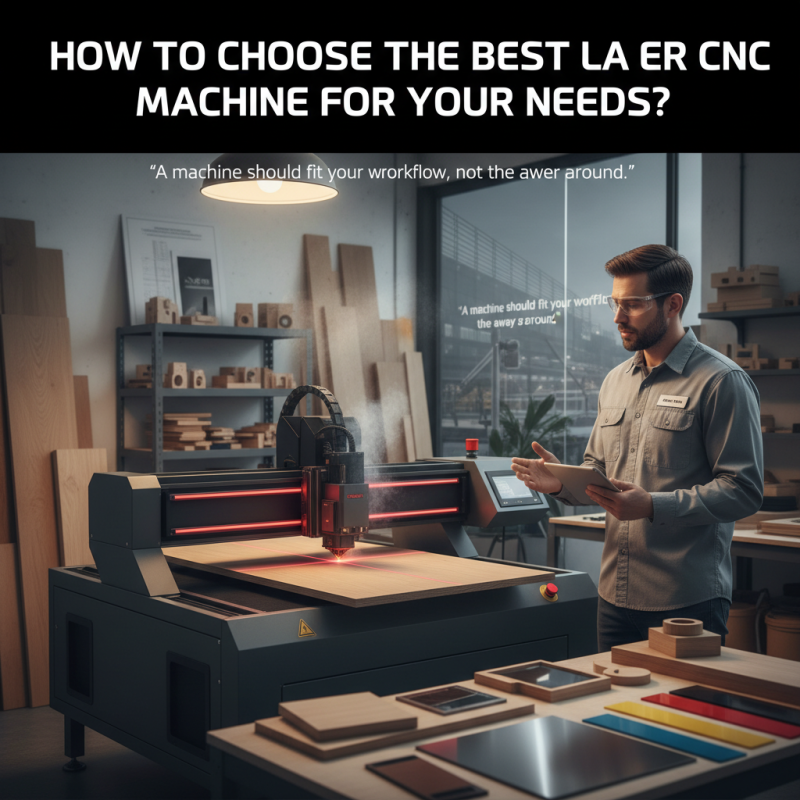
Choosing the right laser CNC machine can be daunting. With various options available, understanding your specific needs is crucial. Expert John Smith, a leading figure in the laser CNC industry, emphasizes, “A machine should fit your workflow, not the other way around.” His insight highlights the importance of compatibility.
When selecting a laser CNC, consider the materials you'll work with. Whether it's wood, metal, or acrylic, each requires different capabilities. Think about the machine's power and precision. A more powerful machine might sound good, but it can be overkill for simple tasks. Balancing power and necessity is essential.
It's also important to evaluate your budget. High-end machines offer advanced features, but less expensive options can perform adequately for many projects. Reflect on your long-term goals. Investing in a laser CNC machine is significant. Ensure it aligns with your vision and requirements. Sometimes, cheaper options can lead to expensive mistakes later on.
Understanding Your Material and Project Requirements
Choosing the best laser CNC machine starts with understanding your material and project requirements. Different materials require different laser settings. For instance, plywood cuts differently than acrylic. According to the 2022 Market Research Report, 70% of projects failed due to improper material selection.
Consider the thickness and density of your material. Thicker materials might require a more powerful laser. A 60W laser can cut through plywood effectively but struggles with dense materials. This mismatch can lead to wasted time and resources. You don’t want to invest in a machine that can’t handle your primary materials.
Another important factor is the project complexity. Intricate designs need higher precision. The American Manufacturing Association found that 55% of manufacturers face challenges with fine details. Ensuring your machine has the right resolution is crucial. Think about the machine’s compatibility with your design software. Without good software integration, even the best machine can fall short of expectations. Explore your options, keeping in mind that not every machine fits every project perfectly.
Assessing Different Types of Laser CNC Machines
When choosing a laser CNC machine, it's vital to assess the various types available. There are CO2 lasers, fiber lasers, and diode lasers. Each has its unique capabilities and limitations.
CO2 lasers are often preferred for cutting non-metal materials, like wood and acrylic. According to industry reports, CO2 lasers have a market share of around 50% in the laser cutting segment. Fiber lasers excel in metal applications, making them suitable for industrial use. They have gained popularity, with projected growth rates of 15% annually in metal cutting sectors.
Tips: Evaluate your material needs carefully. Consider not just the primary materials but also any potential future projects. Selecting a machine that can handle diverse materials can save costs in the long run.
Diode lasers are compact and energy-efficient. However, they are generally less powerful and best for smaller tasks. If budget constraints exist, diode lasers may seem appealing. Yet, their limited capabilities can necessitate upgrading sooner than expected.
Tips: Always weigh initial costs against long-term benefits. A cheaper machine may not offer the versatility you require. Examine your workspace as well. The size and design may restrict your options. A thorough understanding of your production needs helps prevent costly mistakes.
Evaluating Power and Speed Specifications
When selecting a laser CNC machine, power and speed specifications are vital. Power often determines the thickness of materials you can cut. For example, a 40W machine is suitable for thin acrylic, while a 100W or more is better for thicker woods and metals. According to industry reports, a 60W laser can improve efficiency by 30% for certain applications, making it a popular choice for small businesses.
Speed is also critical. Higher speeds may seem appealing but can compromise cut quality. A balance must be struck between speed and accuracy. Machines with adjustable speeds often perform better in diverse tasks. Many users report varied results even with the same machinery due to differences in material properties and settings.
Tip: Always test different settings on scrap material. This can help you fine-tune your machine's performance. Another consideration is the quality of the beam; a good laser should provide a consistent output. Reflect on your requirements as your needs may evolve over time. Prioritize a machine that accommodates adjustments and varied tasks, ensuring long-term usability.
Comparing Features and Software Compatibility
When selecting a laser CNC machine, software compatibility is a crucial factor. The software controls the machine's operations, affecting how you design and manipulate materials. Many machines have specific software requirements that dictate their usability. Choose software that aligns with your design goals. Consider your familiarity with various CAD programs, as this can impact your workflow.
Another area to focus on is the machine's features. Look for features like adjustable speed settings and precision capability. These can enhance your ability to create intricate designs. Some machines come with basic software options that limit performance. That can lead to frustration. It’s essential to ensure that the software can handle the types of projects you envision. Some software might require extensive learning, which can be a hurdle.
Compatibility is not just about the software you begin with. Think about the potential software updates in the future. Choose a machine that allows for easy integration with upgraded software. A flexible system can adapt as your skills grow and change. This adaptability is key to maximizing your investment over time. Finding the right balance between machine features and software compatibility will help you achieve your artistic goals.
Budgeting for Purchase and Maintenance Costs
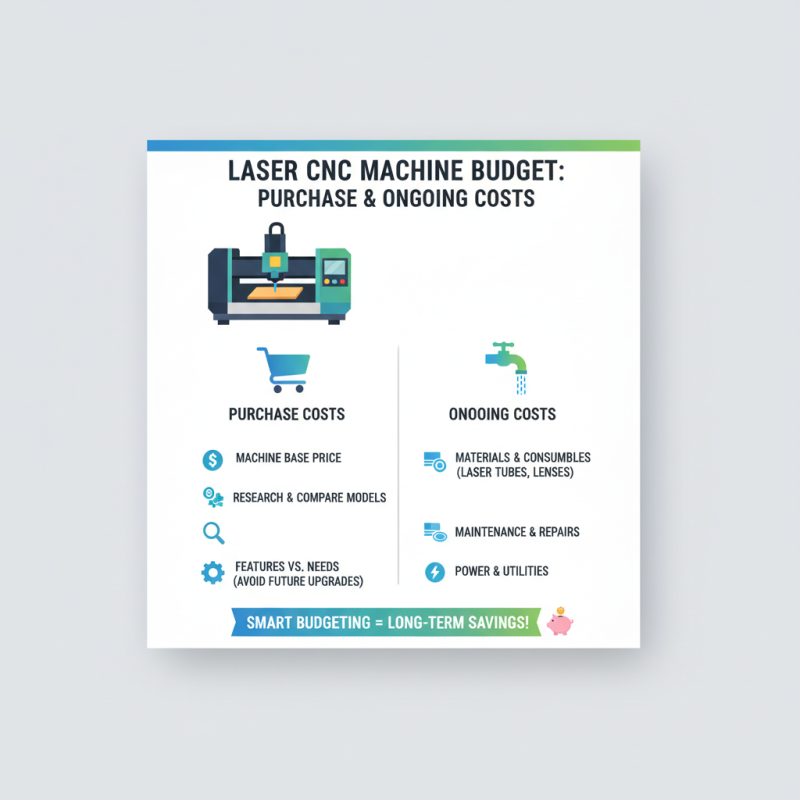
When budgeting for a laser CNC machine, consider both purchase and ongoing costs. A good starting point is to research the prices of machines that fit your needs. Prices can vary widely. Think about the features you really need. A basic model may be cheaper but might lack essential capabilities, leading to future costs.
Maintenance costs are also a crucial part of your budget. Regular maintenance ensures your machine runs smoothly. Failure to maintain could result in costly repairs. Factor in the cost of replacement parts, which can add up over time. Training for your employees on the machine's use is another cost to consider. Knowledge gaps can lead to mistakes and wasted materials. Investing in training often pays off.
It's easy to overlook hidden costs. Shipping and installation fees might surprise you. Don't forget about the software needed to run your designs effectively. Budgeting for laser filters, lenses, and air assist systems is also necessary. All these considerations will help you make a more informed decision, ensuring your investment is worthwhile.