How to Choose the Best Food Cold Chain Packaging Solutions?
In the fast-evolving world of food logistics, choosing the right Food Cold Chain Packaging Solutions is crucial. The global cold chain market is projected to reach $1.75 trillion by 2025, according to a recent report by MarketsandMarkets. This significant growth underscores the importance of effective packaging to ensure food safety and quality.
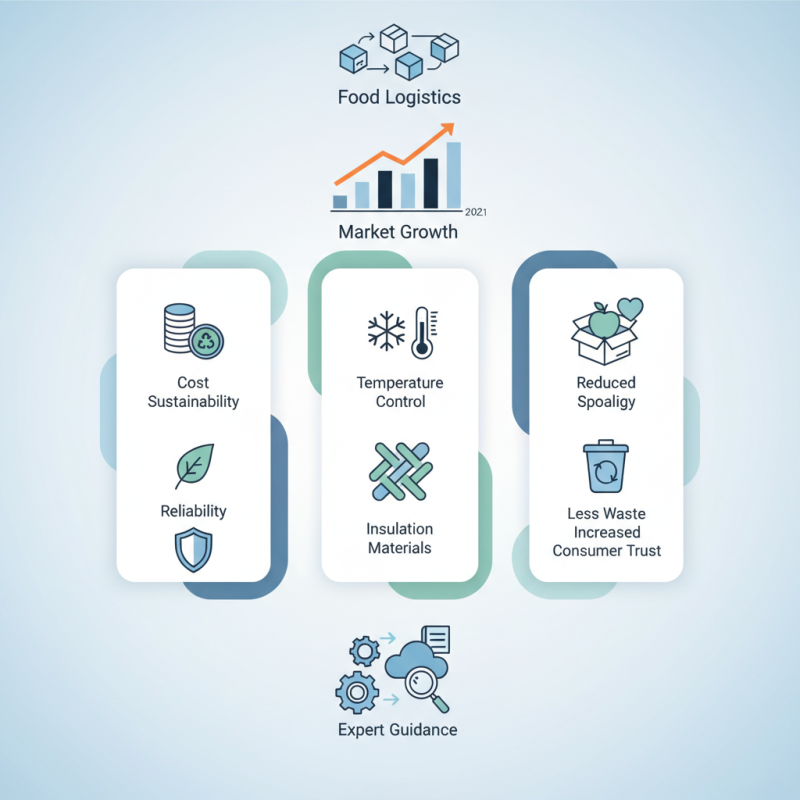
Dr. Emily Carter, a leading expert in food logistics, emphasizes, "Proper packaging not only preserves freshness but also enhances the entire supply chain's efficiency." Her insights reflect the urgency for businesses to adopt innovative packaging solutions. The right selection can mitigate spoilage, reduce waste, and improve consumer trust. However, many organizations struggle to find a solution that balances cost, sustainability, and reliability.
Moreover, not all packaging solutions are created equal. Companies often overlook the nuances of temperature control and insulation materials. Insufficient understanding can lead to compromised products and financial loss. Therefore, a careful assessment of available options, based on specific needs, is essential. Embracing technology and expert guidance can pave the way for more resilient food supply chains.
Understanding Cold Chain Packaging and Its Importance for Food Safety
Cold chain packaging is crucial for maintaining food safety. This method ensures that perishable items, like meat and dairy, stay at optimal temperatures. With the right packaging, temperatures can be consistently monitored, reducing the risk of spoilage. Temperature deviations can lead to bacteria growth, which poses health risks. Understanding these dynamics is essential for businesses involved in food distribution.
Choosing the right cold chain packaging solution isn't always straightforward. Businesses must assess their specific needs and product types. Different materials and technologies offer various levels of insulation and temperature control. It's also vital to stay updated on regulations regarding food safety. Each country may have different guidelines, and overlooking them could result in significant repercussions.
Mistakes can happen in the packaging process. Many companies underestimate the impact of poor insulation. A small lapse can lead to devastating losses. It’s important to periodically evaluate your current packaging solutions. Reflection on past shipments may reveal flaws and potential improvements. In the end, ensuring food safety is not just about compliance; it's about building trust with consumers.
Key Factors to Consider When Choosing Cold Chain Packaging Solutions
When selecting cold chain packaging solutions, several key factors must be thoroughly evaluated. Temperature control is crucial. According to a report from the Cold Chain Alliance, 50% of temperature-sensitive products face degradation due to improper temperature handling. Maintaining the right temperature ensures product safety, quality, and compliance. Consider the temperature ranges required for your specific products.
Material selection is another important aspect. Packaging materials must provide insulation, durability, and barrier properties. A study revealed that insulated packaging can decrease temperature fluctuation by up to 30%. This significant reduction enhances product lifespan during transportation. Additionally, sustainability is a growing concern. Many companies are now looking for eco-friendly materials. However, not all sustainable options provide adequate protection. It’s essential to balance sustainability with functionality.
Cost is also a factor but should not overshadow other considerations. Cheaper packaging may save upfront costs but lead to product spoilage. This could result in losses far exceeding initial savings. Ultimately, the effectiveness of cold chain solutions depends on a comprehensive evaluation of all these factors. Conducting a pilot test on selected packaging options can reveal unforeseen challenges, helping refine the choice before full-scale implementation.
Types of Cold Chain Packaging Materials and Their Applications
Cold chain packaging is crucial for preserving the integrity of temperature-sensitive products. There are various types of cold chain packaging materials, each with distinct applications. For instance, insulated containers are widely used in pharmaceuticals and food delivery. According to a report by Mordor Intelligence, the global temperature-controlled packaging market is projected to reach $9.8 billion by 2027, highlighting the growing importance of effective cold chain solutions.
Polyurethane foam is a common material for insulation. Its excellent thermal performance helps maintain the required temperature during transit. In contrast, gel packs serve as a reliable cooling agent. They are lightweight and provide consistent cooling for perishable goods. However, companies must ensure proper handling of these materials to avoid potential delays or temperature excursions, which could compromise product quality.
Another noteworthy material is vacuum insulated containers. These containers excel in reducing heat transfer, making them ideal for long shipping durations. Yet, they can be costly, which might not suit every budget. The industry must remain vigilant about the technological advancements in cold chain solutions. Balancing efficiency, cost, and sustainability is a continuous challenge that companies need to face in this evolving landscape.
Evaluating the Performance and Efficiency of Cold Chain Packaging
When selecting cold chain packaging solutions, evaluating their performance and efficiency is crucial. A study by the Food and Drug Administration (FDA) highlighted that 30% of food waste is due to temperature control failures during transport. This statistic emphasizes the need for reliable packaging that maintains optimal temperatures. Thermally insulated materials are essential in achieving this goal. They reduce temperature fluctuations and prolong product shelf life.
Additionally, the European Commission reported that poor packaging can lead to a 20% increase in spoilage rates. Innovative packaging technology, such as phase change materials, allows for better temperature regulation. These solutions can help maintain the required conditions for sensitive products like pharmaceuticals and fresh produce.
However, not all cold chain packaging options are created equal. Cost-efficient solutions might compromise performance. Investing in high-quality materials can provide better results in the long run. Efficiency and reliability are often intertwined. A review of industry practices revealed that companies prioritizing quality saw a 15% reduction in product loss. Effective cold chain packaging should balance durability, cost, and performance to ensure the integrity of perishable goods.
How to Choose the Best Food Cold Chain Packaging Solutions? - Evaluating the Performance and Efficiency of Cold Chain Packaging
| Packaging Type | Material | Temperature Range (°C) | Duration of Insulation (hours) | Sustainability Rating |
| Thermal Boxes | EPS Foam | -20 to 10 | 48 | B |
| Insulated Bags | Polyester | 0 to 4 | 24 | A |
| Gel Packs | Hydrogel | -18 to 2 | 36 | B |
| Vacuum Insulated Containers | Stainless Steel | -40 to 100 | 72 | A+ |
Sustainability Considerations in Food Cold Chain Packaging Solutions
When considering food cold chain packaging solutions, sustainability is crucial. Traditional packaging often contributes to waste and environmental harm. Opting for sustainable materials can greatly reduce the carbon footprint.
One effective tip is to choose biodegradable or recyclable packaging. Materials like compostable films are becoming popular. They break down naturally, minimizing long-term waste. Another consideration is energy efficiency. Look for packaging solutions that maintain temperature with minimal energy usage. This not only preserves food quality but also reduces environmental impact.
Consumers now demand eco-friendly options. Businesses can benefit by aligning with this trend. However, the challenge lies in transitioning from conventional methods. Many companies grapple with supply chain adjustments. This process requires careful planning and testing. Aim for gradual improvements rather than immediate change. Even small steps can lead to significant sustainability advancements in food cold chain practices.

