Why Choose an Industrial PC for Your Business Needs?
In today's fast-paced industrial landscape, businesses face myriad challenges. Selecting the right technology is crucial. An Industrial PC stands out as a robust solution. Designed for harsh environments, it ensures reliable performance. These units are built to withstand extreme temperatures and vibrations, making them ideal for manufacturing settings.
Industrial PCs offer unique advantages. They provide enhanced processing power, tailored for demanding applications. Their durability often results in lower maintenance costs. Many industries rely on them for automation and data processing tasks. However, not every Industrial PC is the same. It's essential to evaluate specific needs before making a choice.
Investing in an Industrial PC can transform operations. Yet, careful consideration is vital. A few may require specialized features or configurations. Understanding your unique requirements will guide your decision. The right Industrial PC can significantly boost productivity and efficiency in your business.
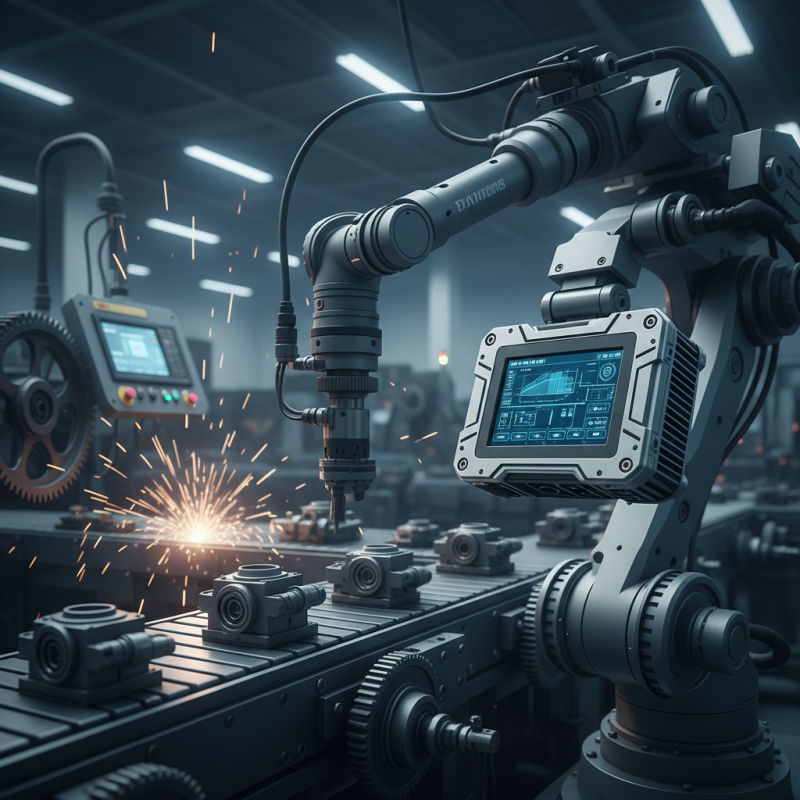
Understanding Industrial PCs and Their Unique Features
Industrial PCs are purpose-built computing devices designed for harsh environments. They excel in manufacturing and automation settings. With robust construction, these units resist dust, moisture, and extreme temperatures. This durability ensures they operate reliably over time.
Unique features of industrial PCs include fanless designs and extended temperature ranges. Such qualities minimize maintenance needs and prolong the hardware lifespan. Many industrial PCs also offer flexible I/O options. This adaptability allows integration with various machines and systems. However, the selection process can be daunting. Many businesses overlook critical requirements, leading to inappropriate choices.
Also noteworthy is the emphasis on connectivity. Industrial PCs support protocols like EtherCAT and Modbus. This capability enhances communication between devices in the factory. It’s essential to consider future expansion when choosing a model. Making an informed decision often requires consulting industry experts. Their insights can help mitigate potential issues, ensuring the right fit for your business needs.
Key Advantages of Using Industrial PCs in Business Operations
Industrial PCs represent a key player in enhancing business operations. These systems are designed for durability and reliability. According to a recent report by Industry Research, industrial PCs have a failure rate that is significantly lower than standard PCs, with rates estimated at around 0.5%. This reliability is critical for businesses that rely on continuous operation.
The ability of industrial PCs to withstand harsh environments is another primary advantage. They can function effectively in temperature extremes, humidity, and vibration. A survey by Frost & Sullivan found that 70% of companies integrating industrial PCs reported improved efficiency and reduced downtime. These systems also offer flexibility in connectivity options, allowing for easy integration with IoT devices.
Moreover, the life cycle of an industrial PC is notably longer than that of consumer-grade options. While standard devices typically last 3-5 years, industrial PCs can operate efficiently for over a decade. This longevity contributes to cost savings over time. However, businesses must still consider the initial investment and ongoing maintenance needs. Not all organizations may be prepared for this shift, and careful evaluation is necessary.
Comparing Industrial PCs with Traditional Computers for Business Use
When comparing industrial PCs with traditional computers, several key factors emerge. Industrial PCs are designed for harsh environments, unlike their traditional counterparts. They typically withstand extreme temperatures, vibrations, and dust exposure. According to a report by Research and Markets, the global industrial PC market is expected to grow at a CAGR of 7.2% through 2027.
Traditional computers often lack reliability in challenging conditions. Failure rates can significantly increase in industrial settings, leading to costly downtime. A study by TechValidate showed that 54% of businesses suffered losses due to computer failures. Meanwhile, industrial PCs are built with longevity in mind. Their rugged design and robust components ensure they operate effectively in demanding situations.
Tip: When selecting a device, consider the specific environment it will operate in. For instance, high humidity may require additional protective measures.
Moreover, industrial PCs provide superior performance for specialized applications. Tasks like real-time data processing and machine control need robust hardware. Traditional computers may struggle with these intensive requirements. A report from Grand View Research indicates that industrial PCs boost productivity by up to 20% in automated applications.
Tip: Always assess your workload demands before making a purchase. This can save resources and enhance operational efficiency.
In conclusion, investing in an industrial PC could lead to better performance and reliability in critical business functions.
Choosing the Right Industrial PC for Specific Industry Requirements
When selecting an industrial PC, it's crucial to understand the specific requirements of your industry. Different sectors like manufacturing, healthcare, and logistics have unique needs. For example, the manufacturing sector often requires rugged PCs that can withstand harsh conditions. Factors like dust, moisture, and extreme temperatures should be considered in such environments.
In healthcare, the focus shifts to compliance and reliability. Industrial PCs used in hospitals must meet strict health regulations. They often run critical applications that handle patient data. Additionally, user-friendly interfaces are essential for medical staff who need to access information quickly.
Logistics companies benefit from PCs that provide real-time tracking and data analysis. Speed and efficiency are paramount. However, customization might be necessary, as each company may operate differently. Some may find that off-the-shelf solutions do not meet their specific operational needs. Taking time to evaluate options can lead to better long-term investments.
Future Trends in Industrial PC Technology and Their Impact on Business
Industrial PC technology is evolving rapidly. Future trends focus on enhanced performance, energy efficiency, and compact designs. These advancements allow businesses to use less space while gaining more processing power. As a result, companies can streamline operations and reduce costs effectively.
One key trend is the rise of edge computing. This allows data to be processed closer to where it's generated. It reduces latency and improves speed. However, businesses must consider the security implications of distributed data processing. Another trend is the integration of AI. It can optimize processes and enhance decision-making. Yet, implementing AI requires careful planning and expertise.
Moreover, the shift towards IoT in industrial PCs brings both opportunities and challenges. Connectivity offers real-time monitoring and analytics. The abundance of data can be overwhelming for some organizations. They may struggle to harness this data effectively. Businesses must invest in training and technology to fully leverage these advancements. Embracing this new landscape is essential for future success.

