
Choosing a Tyre Spreader is not just a matter of comparing prices or choosing the largest model. The right machine should suit the tyres your workshop handles, the space available, and the way technicians work. A compact unit may fit neatly beside a tyre changer, while a larger model can offer more room for awkward wheel assemblies. Neither choice is automatically better. Fit matters.
Start by checking the spreader’s stated capacity, clamping range, and compatibility with your common tyre sizes. Then look closely at the jaws, table height, controls, and guards. These details affect how easily a technician can position a tyre and inspect its inner surface. For example, a crowded workbench or poorly placed pedal can turn a simple check into an awkward task. Small details count.
Power source deserves careful thought, too. Pneumatic models depend on a suitable air supply; other designs may have different installation and maintenance needs. Ask suppliers for clear specifications, operating instructions, and service support, rather than relying on a product photo. If possible, observe a demonstration using a tyre similar to those handled in your shop. The brochure may not show every limitation.
A good Tyre Spreader can make inspection work more accessible, but it does not replace sound procedures or regular equipment checks. Consider who will use it, how often, and what training they need. Some requirements are easy to miss until the machine arrives. This guide explains the practical features to compare, the questions to ask, and the trade-offs worth considering before you buy.
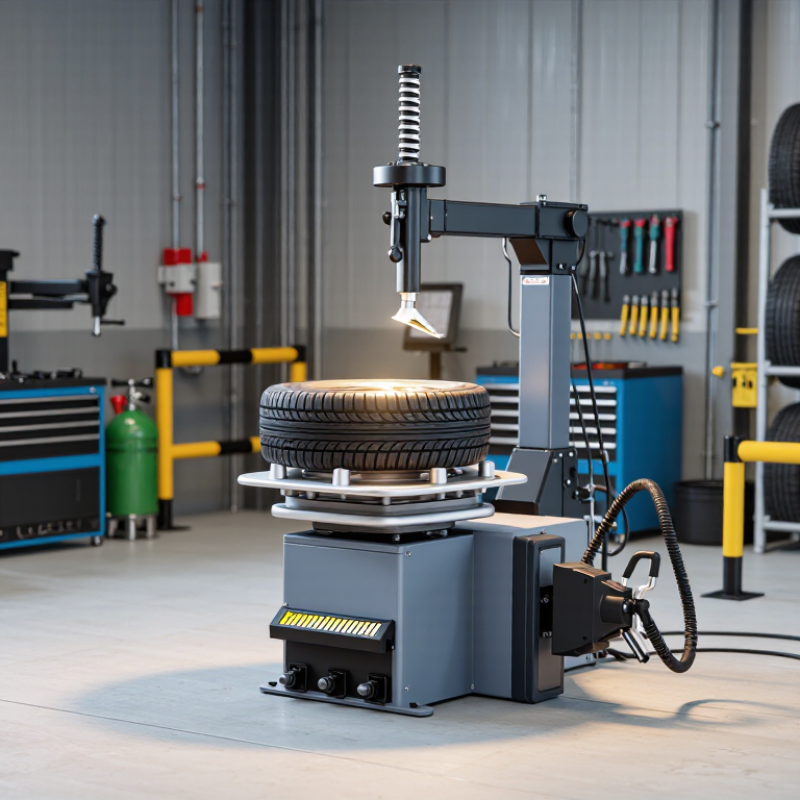
Before comparing tyre spreaders, map the work your workshop actually handles. Note the tyre sizes, constructions, and daily inspection or repair volume. A small workshop serving passenger cars may need a compact unit, while a mixed-vehicle shop needs a wider working range. Check the manufacturer’s stated capacity rather than relying on appearance. Measure the bench area, too. A spreader that blocks a walkway or tool cabinet quickly becomes a nuisance.
Tips: Keep a week-long job log. Record common tyre sizes, busy periods, and tasks that require extra access. Check whether the unit’s controls are comfortable to reach while positioning a tyre. Ask staff to try the setup if possible. Their feedback may reveal an awkward step you overlooked.
Also consider power and maintenance needs. A pneumatic model depends on suitable, steady air supply; a manual unit may better suit occasional jobs. Confirm how the tyre is supported and opened, and follow the equipment instructions to reduce strain or damage. Needs can change, of course. If your records are incomplete, leave room for adjustment instead of buying only for today’s workload.

Identify your workshop’s tyre spreading needs by tracking the tyre groups you handle each week.
This illustrative example shows weekly jobs grouped by the primary tyre type handled. Replace the sample counts with your workshop’s job records. A higher volume of low-profile, run-flat, or light-truck tyres may call for a spreader with suitable opening range, clearance, and secure support.
Tyre spreaders hold a tyre open so technicians can inspect its inner surface and reach repair areas. Manual models use a hand lever or screw mechanism to move adjustable arms apart. They are straightforward and need no air supply, but repeated adjustments can slow busy work. For occasional inspections, that trade-off may be reasonable.
Pneumatic spreaders use compressed air, often controlled by a foot pedal, to move the supports. This keeps both hands available for positioning the tyre and using inspection tools. Electric or hydraulic models may provide powered movement with more controlled adjustment, depending on their design. Check how smoothly the arms open and whether they hold position under load. A sudden shift is not helpful.
Fit matters. The supports should contact the tyre securely without pinching or distorting its sidewall. Compare the adjustment range with the tyre sizes handled in your workshop, and consider the space needed around the machine. Air-powered equipment also depends on a consistent supply and routine checks of hoses and controls. Test the pedal with an unloaded unit first, then observe how the mechanism behaves with a tyre mounted. Small differences matter. I would not choose by speed alone; ease of positioning and a clear view inside the tyre can matter more during careful inspection.
Choosing a tyre spreader starts with the tyres your workshop actually handles. Check the stated width and diameter range, then compare it with common sizes in your service records. Check the range. A spreader that opens too narrowly may not hold a wide tyre securely; one designed for much larger tyres can be awkward with compact ones. Allow for occasional unusual sizes, but do not assume “universal” means suitable for every job.
Load capacity matters just as much. Confirm the spreader’s rated capacity and compare it with the heaviest tyre or wheel assembly you expect to position. Include the wheel if it stays fitted during the work. That matters. A tyre’s size alone does not reveal its weight, especially with reinforced construction or a heavy rim. Keep a sensible margin rather than choosing a unit that only just meets the estimated load.
Read the operating instructions and check how the tyre is supported before buying. The contact points should hold it steadily without pinching the sidewall, and adjustments should remain secure under load. In a busy workshop, a model can look right on paper yet feel cumbersome in practice. If possible, test it with a representative tyre. I would also recheck the published limits; workshop estimates are easy to get wrong.
A tyre spreader should hold the tyre securely without forcing the operator’s hands near moving parts. Check for a firm base, a dependable locking mechanism, and guards around pinch points. These details matter when a bead shifts under pressure. Look for clear capacity guidance and controls that are easy to reach while standing in a stable position. Read the operating instructions before use, and keep hands clear during adjustment. Small precautions count.
Ease of use shows up in repeated jobs. Can the arms be adjusted smoothly for different tyre sizes? Are the controls obvious, even when the work area is noisy or cramped? Try the adjustment with a tyre similar to those handled in your workshop. A stiff lever may seem minor at first. Over a long shift, it can become tiring. Some tools feel simple in a showroom but awkward beside a crowded service bay, so judge the working position, not just the handle.
Build quality is more than a heavy frame. Inspect welds, pivots, and contact surfaces for rough edges or excessive play. Moving joints should operate consistently, without scraping or sudden looseness. A durable finish can help resist workshop grime, but it will not replace routine checks. Even a well-made spreader can develop wear. Keep an eye on locks and hinges; people sometimes overlook them until movement becomes noticeable.
A tyre spreader can seem inexpensive until maintenance starts interrupting booked jobs. Check the pivot, clamp faces, and contact pads weekly for grit, looseness, or cracking. Wipe away rubber dust after use; abrasive debris can wear moving surfaces. Lubricate only the points specified in the service guide. Too much grease traps dirt. For pneumatic models, inspect hoses and fittings for leaks, and listen for pressure loss. Small checks matter.
For overall value, compare expected service time, replacement parts, and downtime—not just the purchase price. A tool with accessible wear parts may cost less to keep working over several years. Match its capacity to the tyres your workshop handles most often; an oversized unit can take up valuable floor space, while an undersized one may slow awkward jobs. Ask how routine adjustments are made and whether maintenance instructions are clear. I would not assume the lowest-cost option is automatically poor value, either: for light, occasional use, simpler equipment may be entirely adequate. The trade-off is real, and usage estimates are rarely perfect.
| Spreader Configuration | Best Suited To | Maintenance Requirements | Routine Checks | Setup and Operating Effort | Relative Purchase Cost | Overall Value |
|---|---|---|---|---|---|---|
| Portable manual spreader | Low-volume workshops, occasional puncture repairs, or work areas where equipment must be moved or stored. | Generally low. Keep moving joints clean, inspect the frame and contact points for damage, and lubricate pivots when needed. | Before use: check stability, fasteners, moving parts, and any protective pads or contact surfaces. | Requires more hands-on positioning and adjustment. Does not depend on a compressor or electrical supply. | Low | Good value when use is occasional and low purchase and upkeep costs matter more than speed. |
| Floor-standing manual spreader | General repair shops with regular tyre service and enough floor space for a fixed workstation. | Low to moderate. Clean and inspect the mechanism routinely; check the base, fasteners, and wear surfaces for looseness or damage. | Before use: confirm the unit is secure and stable. Periodically check pivot points and threaded or sliding parts for smooth movement. | Usually more stable and convenient to position than a portable unit, but adjustment is still manual. | Low to moderate | A practical balance for shops needing a dedicated work position without adding pneumatic-system upkeep. |
| Pneumatic spreader | Busy workshops with a suitable compressed-air supply and frequent tyre inspection or repair work. | Moderate. In addition to mechanical checks, maintain the air connection and follow the equipment maker's guidance for air quality, lubrication, and pressure. | Check hoses, fittings, controls, and the air supply for leaks or visible wear. Keep the work area and moving parts clean. | Air-powered operation can reduce manual effort. Requires a compatible compressor, suitable connections, and attention to air-system condition. | Moderate | Often worthwhile when regular use saves operator time; value falls if the shop lacks reliable compressed air. |
| Heavy-duty pneumatic spreader | High-throughput service areas that regularly handle a broad mix of compatible tyre and wheel assemblies. | Moderate to higher. More frequent use makes scheduled inspection of air components, controls, frame, and wear points especially important. | Inspect before use and keep a written maintenance log. Address air leaks, unusual movement, or damaged contact surfaces promptly. | Designed for repeated use, but requires adequate floor space, a dependable air supply, and staff training for safe operation. | Moderate to high | Can deliver strong long-term value in a high-volume shop if its capacity matches the actual workload and maintenance is kept current. |
Maintenance intervals and operating limits vary by equipment design. Follow the manufacturer's instructions, use the spreader only with compatible assemblies, and disconnect or isolate the air supply before servicing pneumatic components.
Please fill out this form and we will get an order or estimate ready for you. Please give us as much detail as you can for us to get started, and we will contact you to finsh the work order.