Why Choose Laser CNC for Your Precision Manufacturing Needs?
In today's competitive landscape, manufacturers seek precision and efficiency. The advent of laser CNC technology is transforming the manufacturing sector. Renowned industry expert Dr. John Smith emphasizes, "Laser CNC is revolutionizing how we approach precision engineering."
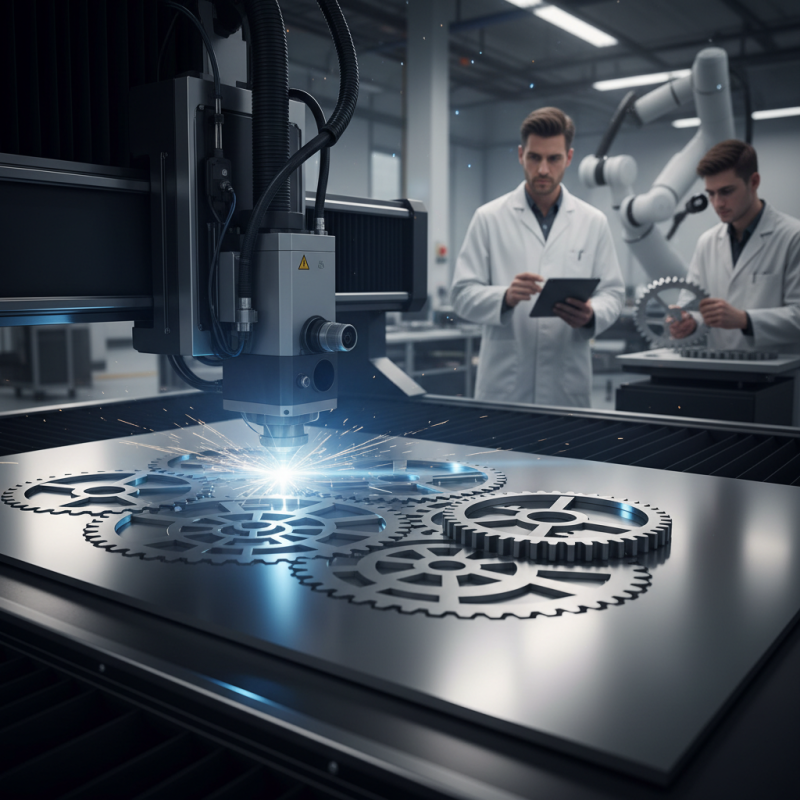
Laser CNC machines offer unparalleled accuracy. They deliver intricate designs with minimal waste. This is crucial for modern manufacturing, where every detail matters. However, adopting this technology poses challenges. Not every facility is equipped or trained for this advanced setup.
Moreover, potential costs can be high, raising questions. Is the investment worth the promised precision? As manufacturers weigh these factors, the need for careful assessment becomes clear. The benefits of laser CNC are significant, yet the hurdles require introspection and strategic planning.
Benefits of Laser CNC in Precision Manufacturing
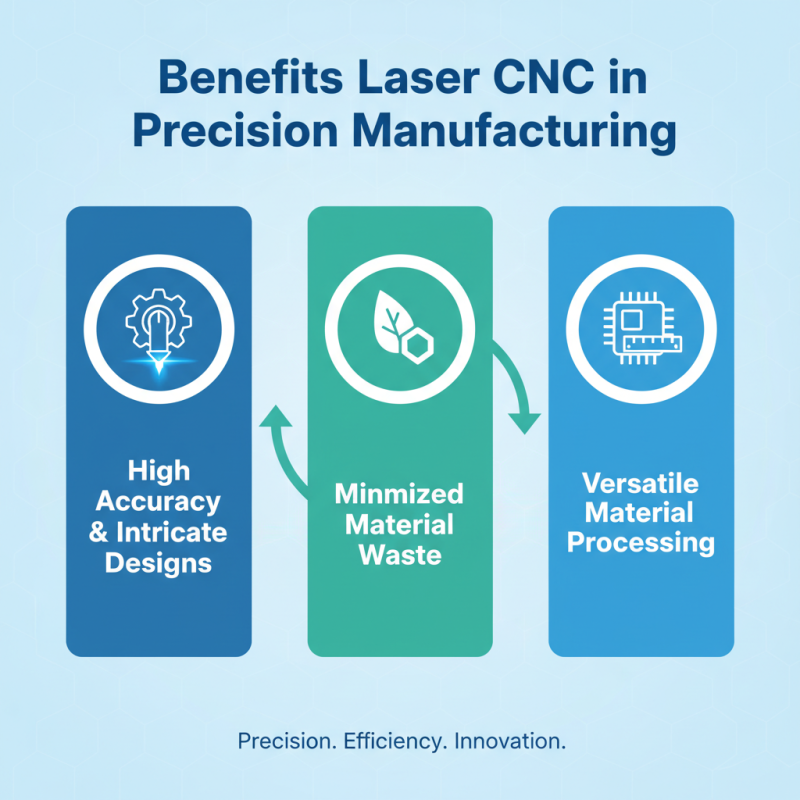
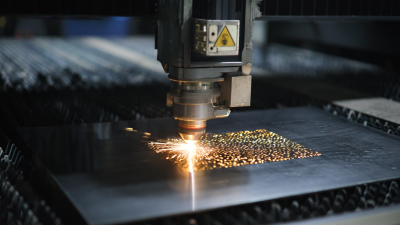
In the realm of precision manufacturing, Laser CNC technology stands out for its unique advantages. This method excels in cutting and engraving a variety of materials. It delivers high accuracy, crucial for intricate designs and tight tolerances. As the laser beam works, it minimizes material waste, which is a pressing concern for many manufacturers today.
Tips: Regular maintenance of your Laser CNC machine is essential. It ensures optimal performance and longevity. Overlooking simple wear and tear can lead to costly downtime.
Another benefit of Laser CNC is its versatility. It can handle different materials ranging from metals to plastics and even wood. The quick turnaround time enhances productivity. However, not every project is suitable for laser cutting. Complexity and thickness of materials may present challenges.
Tips: Always evaluate your project needs carefully. Consider experimenting with test cuts to understand the limitations of your equipment. This can save time and reduce frustration. In manufacturing, refining your approach is key to success.
Comparison of Laser CNC with Traditional Manufacturing Methods
Laser CNC technology is revolutionizing precision manufacturing. Compared to traditional machining methods, it offers several advantages. For instance, laser cutting can achieve tolerances of up to ±0.002 inches. In contrast, CNC milling typically ranges from ±0.005 to ±0.01 inches. This precision is critical in industries where accuracy matters most, such as aerospace and medical.
Laser CNC is also faster. Traditional machining processes can take longer due to multiple setups and tool changes. A recent industry report noted that laser CNC systems could increase production speed by up to 30%. However, there are challenges. Laser systems can be sensitive to material types and thickness. Not all materials work well with laser cutting, which can lead to wasted time and resources.
Another point of reflection is the cost. Initial investments in Laser CNC equipment can be higher than traditional machines. Reports indicate that businesses might need to reassess their budgets. Yet, the long-term savings from reduced labor and faster processing times can offset these costs. Ultimately, while Laser CNC offers compelling benefits, careful consideration is required to align it with specific manufacturing needs.
Comparison of Laser CNC and Traditional Manufacturing Methods
This chart compares key metrics between Laser CNC and Traditional Manufacturing methods. The metrics evaluated include speed, precision, material versatility, setup time, and operating costs, highlighting the advantages of using Laser CNC technology for precision manufacturing.
Key Applications of Laser CNC Technology in Various Industries
Laser CNC technology has transformed precision manufacturing across various industries. In aerospace, it enables the creation of complex components with high accuracy. Parts can be produced with intricate designs that traditional methods struggle to achieve. This technology also reduces waste, as it cuts material efficiently.
In the automotive sector, laser CNC machines are invaluable for part fabrication and assembly. They offer fast prototyping and are perfect for small-batch production. The precision achieved minimizes the risk of errors during assembly, leading to safer vehicles. However, companies sometimes overlook the importance of regular maintenance. Neglecting this can affect quality.
Medical device manufacturing benefits greatly from laser CNC's capabilities. The technology helps produce custom implants and surgical instruments with exact specifications. The challenge lies in balancing speed and precision. If manufacturers rush, they may compromise quality. Each project requires careful attention to detail to ensure optimal outcomes.
Factors to Consider When Choosing Laser CNC Services
When choosing laser CNC services, precision is key. High-accuracy equipment can reduce waste and improve product quality. According to industry reports, laser CNC systems can achieve tolerances as tight as ±0.001 inches. This high level of precision is vital for sectors like aerospace and medical, where slight deviations can lead to significant issues.
Cost is another factor to consider. While laser CNC services can be more expensive initially, the long-term savings often justify the investment. A recent analysis showed that laser CNC technology can enhance production speed by up to 30%. This increased efficiency can offset costs over time. However, businesses need to evaluate if this technology aligns with their budget and operational needs.
Lastly, it’s important to think about material versatility. Laser CNC can work with various materials, from metals to plastics. Still, some specialized materials may not yield optimal results. Understanding these limitations helps avoid costly mistakes. Striking a balance between cutting-edge technology and practical constraints is essential for effective precision manufacturing.
Why Choose Laser CNC for Your Precision Manufacturing Needs?
| Factor |
Description |
Benefits |
| Precision |
Laser CNC provides exceptional accuracy and detail in cutting and engraving. |
Ideal for intricate designs and tight tolerances in manufacturing. |
| Material Versatility |
Capable of handling a wide range of materials, including metals, plastics, wood, and composites. |
Suitable for diverse applications across different industries. |
| Speed |
Rapid cutting speeds allow for quicker project turnaround times. |
Increases throughput and efficiency in production. |
| Minimal Material Waste |
Laser cutting is highly efficient, resulting in less scrap material. |
Cost-effective and environmentally friendly manufacturing option. |
| Automation and Precision Control |
CNC systems offer automated control for consistent quality. |
Ensures uniformity and reduces human error in production. |
Future Trends in Laser CNC for Enhanced Precision Manufacturing
Laser CNC technology is shaping the future of precision manufacturing. This method combines high accuracy with versatility. As industries evolve, the demand for intricate designs grows. Laser CNC caters to these needs with its precise cutting and engraving capabilities.
One of the emerging trends is the integration of artificial intelligence. AI enhances the efficiency of the cutting process. Machine learning algorithms analyze data, predicting the best cutting paths. This results in time savings and reduced waste.
Tips: Always evaluate the compatibility of AI software with your CNC machinery. Reducing downtime is crucial. A well-maintained machine increases longevity. Consider training staff on the latest features.
Another trend is the push for sustainable manufacturing. Laser CNC uses less energy compared to traditional methods. This greener approach reduces the carbon footprint of production. Companies must reflect on how they can implement such technologies effectively.
Tips: Regularly assess your energy consumption. Small adjustments can lead to significant savings. Your production process can become an environmental benchmark.