How to Choose the Best Laser Table for Your Business Needs?
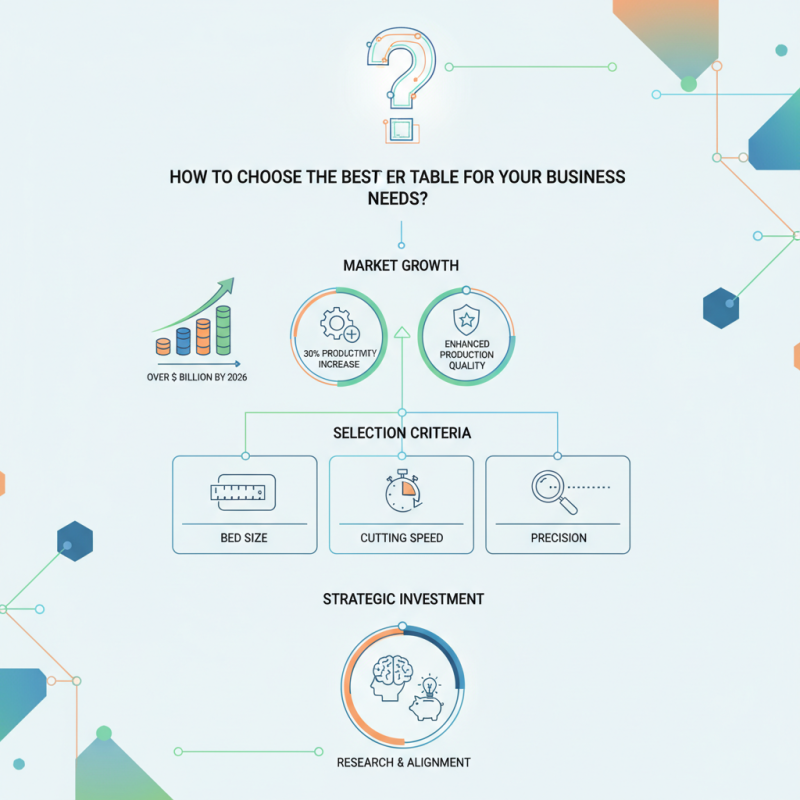
Choosing the right laser table is crucial for optimizing business efficiency. Market research shows that the laser cutting industry is expected to grow significantly. By 2026, it may reach over $5 billion, highlighting the importance of modern technology in manufacturing.
A laser table is not just an investment; it is a pivotal tool that enhances production quality. Companies report that using advanced laser tables can increase productivity by 30% or more. This figure emphasizes the need for a thoughtful selection process.
However, not all laser tables are created equal. Users must reflect on their specific needs and how these tools can align with them. Features like bed size, cutting speed, and precision vary widely. It’s vital to assess these attributes against the business's operational goals. Investing time in research could lead to a more effective choice.
Understanding Your Business Requirements for a Laser Table
When selecting a laser table for your business, it's essential to understand your specific requirements. According to a report by the International Laser Industry Association, businesses experience a 30% increase in production efficiency after implementing tailored laser solutions. This emphasizes the importance of aligning your equipment with operational needs.
Consider the materials you will primarily work with. For instance, if you focus on wood, you need a table with a higher wattage laser for clean cuts. The material type will also influence the table size and design. A study from the Laser Cutting Association highlights that 40% of businesses misjudge their material compatibility, leading to inefficient operations.
Moreover, assess your production volume. A small business might only need a laser table with a moderate output, while larger operations often require higher throughput and faster speeds. Optimizing for production volume can ensure that your investment supports growth. Pay attention to user feedback as well; many businesses express challenges with machine maintenance and upgrades that impact long-term usability. Understanding these nuances can guide you to a more effective choice.
Key Features to Look for in a Laser Table
When selecting a laser table for your business, several key features are essential. Understand the bed size first. A larger bed allows for bigger projects, while a smaller bed may limit your options.
Additionally, consider the laser power. Higher wattage provides faster cutting and engraving but might be surplus for small tasks.
Next, explore the machine's software compatibility. Many tables come with proprietary software, which can be user-friendly but might not integrate well with other programs. Check the level of support and resources available. Documentation and tutorials ease the learning curve, especially for beginners.
Also, think about the table's portability and ease of setup. A cumbersome machine can hinder workflow and complicate tasks. Lastly, assess the build quality. A sturdy construction ensures longevity and reliability. However, be cautious of overly complex systems. Sometimes, a simpler setup might meet your needs better.
Types of Laser Tables and Their Applications
When choosing a laser table, it's crucial to understand the different types available.
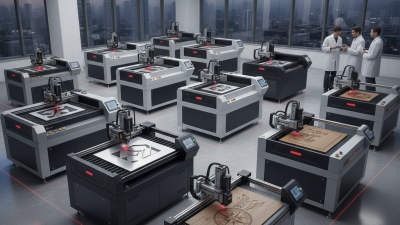
CO2 laser tables are widely used for wood, acrylic, and textiles. They deliver high precision and are user-friendly.
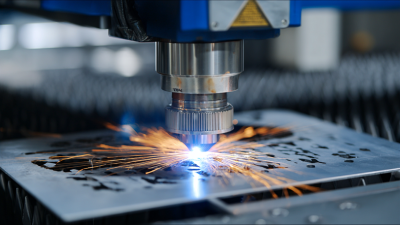
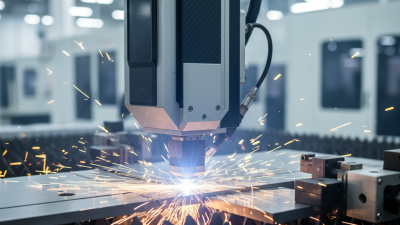
Fiber laser tables excel in cutting metals with speed and efficiency. However, they often require a higher initial investment and expertise.
It's essential to evaluate your specific needs. If your business focuses on diverse materials, a hybrid table might suit you best.
It combines features of both CO2 and fiber lasers. This option provides versatility but can be complex.
Tips: Always consider the maximum material thickness for your projects. This factor can limit or expand your options.
Make sure to assess the required space as well. Some laser tables need more room for operation and ventilation.
Another consideration is maintenance. Each type has its upkeep requirements.
Regular maintenance ensures longevity and consistent performance. A neglected machine can lead to costly repairs and downtime.
Budget Considerations When Choosing a Laser Table
When selecting a laser table, budget plays a crucial role in the decision-making process. A recent report indicates that businesses often allocate 60-70% of their equipment budget to machinery like laser tables. However, many enterprises underestimate the total cost of ownership, which includes maintenance, operation, and energy consumption. Companies should factor in these variable costs to avoid unexpected financial burdens.
In the current market, laser tables can range from affordable models at around $5,000 to advanced systems exceeding $50,000. While cheaper options may save upfront costs, they often lack efficiency and reliability. A study reveals that businesses investing in high-quality equipment can see up to 30% lower long-term operational costs. This highlights the importance of finding a balance between initial price and overall value, allowing for sustainable business growth.
It is also vital to consider the specific needs of your business. A table that suits one industry may not meet the requirements of another. This reflects the necessity for thorough research. Companies may initially overlook factors such as material types, project scale, and future upgrades. Cutting corners can lead to inefficient workflows, ultimately affecting profitability. Analyzing your actual needs against budget constraints is essential for making an informed decision.
Maintenance and Support for Laser Tables
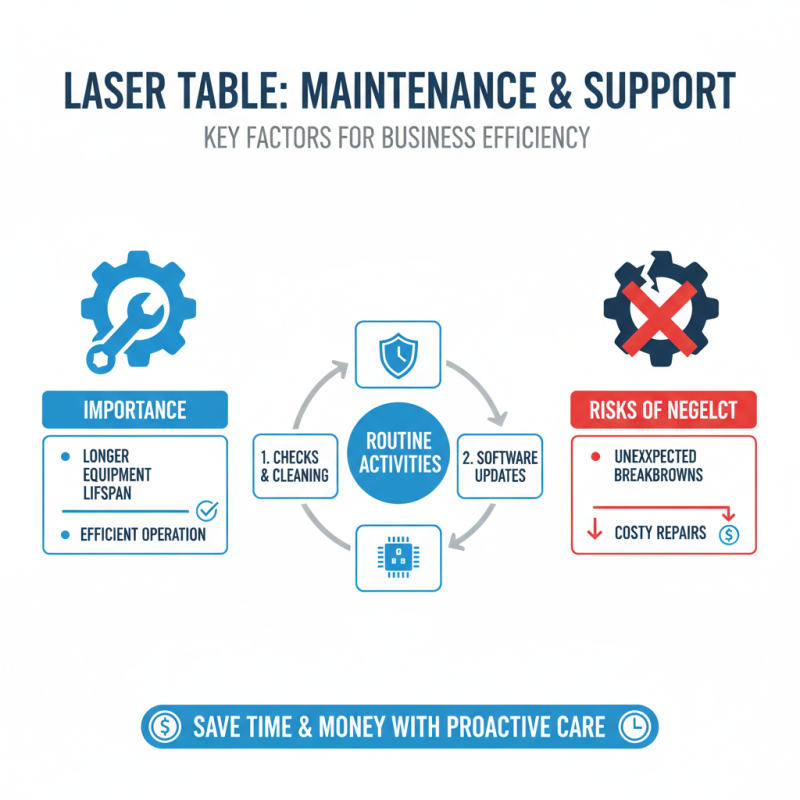
When selecting a laser table for your business, consider maintenance and support as crucial factors. Regular maintenance ensures that your equipment runs efficiently and has a longer lifespan. It involves routine checks, cleaning, and software updates. Ignoring it can lead to unexpected breakdowns and costly repairs. Having a scheduled maintenance plan can save time and money.
Support is equally important. Good customer support can be the difference between a smooth operation and ongoing frustrations. Look for providers that offer training sessions. Users often face a learning curve. Having access to experienced support staff can smooth this process. Some businesses underestimate the learning needed. Invest time in training to maximize your machine's potential.
Finally, check the availability of replacement parts. Reliability in sourcing parts can affect your downtime. If parts are hard to find, it can lead to long delays in projects. This, in turn, can affect customer satisfaction. Be thoughtful about these aspects when purchasing a laser table. It will pay off in operational success and efficiency.