How to Choose the Best Laser Machining Services in 2026?
Choosing the best laser machining services in 2026 requires careful consideration. According to Dr. Emily Carter, a leading expert in the laser machining industry, “Precision and reliability are key factors when selecting laser machining providers.” Her insight stresses the importance of quality in this advanced field.
One must evaluate different service providers based on their technology and expertise. Are they using the latest laser systems? What is their track record in producing high-quality results? Customers expect not only precision but also consistency in delivery.
Additionally, consider the flexibility of the service. Can they adapt to your specific needs? Understanding the small details can often lead to significant differences in output quality. The laser machining industry is evolving rapidly, raising the bar for service expectations. It’s essential to remain critical and aware of what separates the best from the rest.
Understanding Laser Machining Technologies for 2026
Laser machining has evolved significantly and continues to shape numerous industries. In 2026, understanding these technologies is essential for selecting the right services. Laser systems vary in power, type, and application. It's crucial to know the differences between CO2, fiber, and solid-state lasers, as each serves distinct purposes.
Tips: Research the specific laser type needed for your project. Different materials require different lasers for optimal performance.
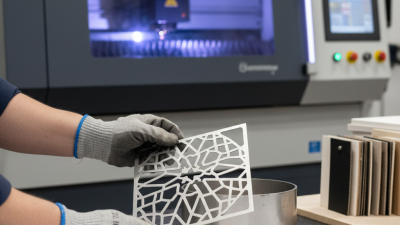
Precision is another factor in laser machining. High-quality services can achieve intricate designs and tight tolerances. Evaluate potential providers on their track record. Look for reviews and case studies showcasing their work. A reliable service should have a history of successful projects.
Tips: Ask for sample work or testimonials. This can help validate the provider's expertise.
Cost-effectiveness is always a concern. Balancing quality and price is vital. While cheaper options may seem appealing, they often compromise on quality. Invest in services that showcase a strong commitment to technology and innovation.
Tips: Don’t hesitate to request detailed quotes. Understanding pricing structures can help avoid unexpected costs later.
Key Factors to Consider When Choosing a Laser Machining Service
When selecting laser machining services, experience matters. Experts suggest evaluating the provider's years in operation. Industry studies show that 70% of companies with over ten years of experience deliver superior results. This experience often translates into efficiency and craftsmanship. Look for providers with expertise in your specific industry sector.
Quality of machinery is another crucial factor. The latest data indicates that businesses using advanced laser technology achieve higher precision rates. A report from a manufacturing association reveals that modern laser systems reduce errors by 25%. This can significantly impact production timelines and costs.
Don’t overlook customer reviews and case studies. Reliable machining services often showcase their success stories. Consider feedback from past clients for a well-rounded view. Still, be aware of potential biases. Sometimes, glowing reviews might overshadow genuine concerns. Balance these insights with your own evaluation to make informed decisions.
Evaluating the Experience and Reputation of Service Providers
When choosing laser machining services, the provider's experience matters significantly. Look for companies with a track record of successful projects. Check if they have worked on similar materials and applications. Experience ensures they understand the nuances of different machining techniques. It impacts precision and efficiency in production. Engaging with experienced providers guarantees fewer errors and high-quality outcomes.
Reputation is another crucial factor. Research online reviews and client testimonials to gauge service reliability. Ask about their quality assurance methods. A good reputation often reflects dedication to customer satisfaction.
Consider reaching out to previous clients for firsthand insights. Look for specific feedback on communication, delivery timelines, and technical support. This step can reveal a provider's commitment to maintaining long-term relationships. Not every company will meet expectations, revealing the necessity for careful evaluation. Trust earned takes time, but it is worth the effort to ensure lasting partnerships.
Comparing Pricing Models for Laser Machining Services
When selecting laser machining services, pricing models play a crucial role. Understanding how these models differ can aid in making an informed choice. According to a recent industry report, around 40% of manufacturers lean towards fixed pricing. This model offers clarity and predictability. Clients know their budget upfront, reducing the likelihood of unexpected fees. However, fixed pricing can sometimes limit flexibility during project changes.
On the other hand, time and materials pricing is gaining traction. About 30% of businesses prefer this model. It adjusts costs based on actual time spent and materials used. This approach can be more equitable when project scopes shift. Yet, clients need to be wary of potential cost overruns. Transparency in communication is essential here.
Another model, tiered pricing, appeals to about 20% of users. It offers various levels of service and corresponding prices. This flexibility can benefit companies with different project needs. Nevertheless, it requires a thorough understanding of what each tier offers. Choosing the right pricing model requires a careful evaluation of specific project requirements. Balancing cost and quality is not always straightforward, reflecting the complexity of these decisions.
Assessing Quality Standards and Certifications in Laser Machining
When choosing laser machining services, quality standards play a crucial role. Certifications are vital indicators of a company's expertise. Look for ISO certifications. They demonstrate adherence to robust quality management systems. This ultimately ensures reliable service and product quality.
Examine the company's previous projects. A strong portfolio showcases their capabilities and attention to detail. Engaging in conversations with past clients can provide deeper insights. Feedback is essential; it reveals strengths and areas needing improvement.
Consider the workforce's training and experience. Skilled operators make a noticeable difference. Reliable companies invest in ongoing training. This ensures they stay updated on technological advancements. A lack of current certifications could indicate potential issues. Always assess a service provider's commitment to quality.