What is Cast Nylon Pipe and How is it Used?
Cast Nylon Pipe is gaining attention in various industries for its durability and versatility. According to Dr. Sarah Thompson, a leading expert in polymer engineering, "Cast nylon pipes offer unique benefits that traditional materials simply cannot match." This statement emphasizes the importance and growing appreciation for Cast Nylon Pipe.
With its excellent resistance to wear and high impact strength, Cast Nylon Pipe is often chosen for applications in chemical processing, food production, and heavy machinery. The material can withstand harsh environments and reduce maintenance costs significantly. However, the production process for Cast Nylon Pipe can vary, affecting its properties and suitability for specific applications.
The understanding of Cast Nylon Pipe's advantages must align with real-world usage scenarios. While it excels in many settings, it may not always be the ideal choice. Exploring its limitations and drawbacks is essential for informed decision-making. This balanced view of Cast Nylon Pipe can lead to better selection and application in diverse industries.
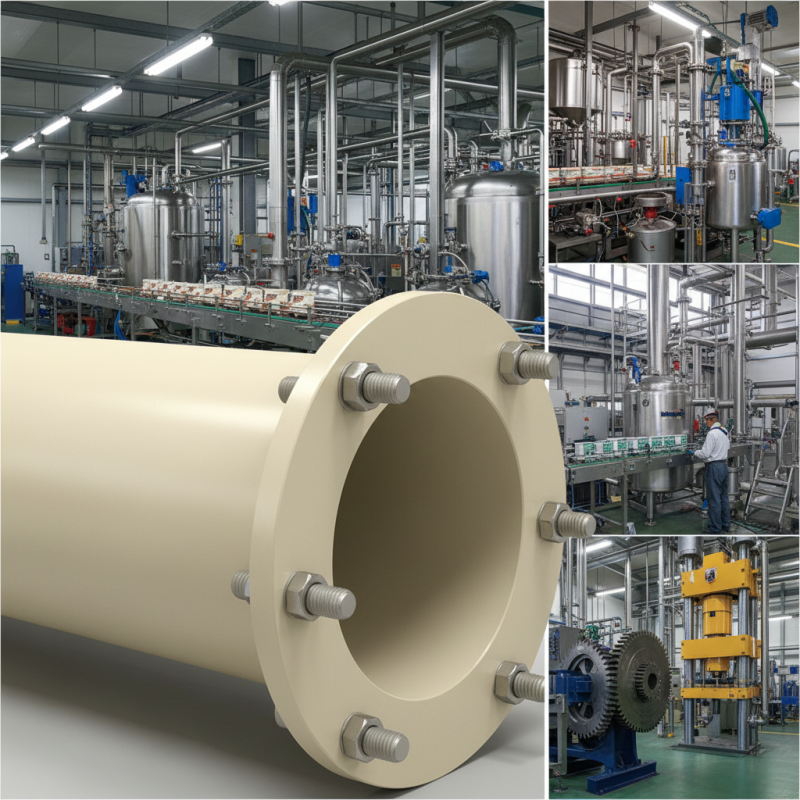
What is Cast Nylon Pipe?
Cast nylon pipe is a versatile material widely used in various industries due to its unique properties. It is produced by a process that involves the casting of nylon resin into pipe forms. This process results in strong, durable pipes that possess excellent wear resistance and low friction characteristics. According to industry reports, cast nylon pipes exhibit up to five times the wear resistance of traditional metal pipes.
The usage of cast nylon pipes spans many applications. They are often employed in hydraulic systems, where their ability to withstand high pressures is crucial. Furthermore, their lightweight nature enables easier installation and reduces shipping costs. However, it's essential to consider their thermal stability. While they perform well in many environments, extreme heat can compromise their integrity. Reports indicate that they can operate effectively at temperatures up to 80°C but may exhibit deformation at higher levels.
Despite these advantages, cast nylon pipes are not without limitations. They can be susceptible to moisture absorption, which may lead to swelling and dimensional changes over time. Additionally, their mechanical properties can vary significantly based on factors like manufacturing conditions and environmental exposure. As such, it is imperative to conduct thorough assessments before selecting them for specific applications.
Characteristics and Benefits of Cast Nylon Pipe
Cast Nylon Pipe is engineered for performance in various applications. One key characteristic is its high resistance to wear and abrasion. According to industry reports, cast nylon has a wear resistance that can outperform metals in specific scenarios. This makes it ideal for environments with high friction. The low coefficient of friction also assists in reducing energy losses.
In addition, cast nylon has excellent chemical resistance. It performs well against oils, fuels, and various solvents. A report from a materials science conference highlighted how this resistance extends the lifespan of piping used in industrial settings. This durability requires less frequent replacements, contributing to long-term cost savings.
Another advantage is its lightweight nature. This can simplify installation processes, particularly in complex systems. Yet, it’s important to reflect on potential downsides. While cast nylon offers many benefits, it may not withstand extreme temperatures as effectively as some metals. Users must consider these factors when selecting materials for their projects. The balance between benefits and limitations is crucial for making informed decisions in engineering applications.
Common Applications of Cast Nylon Pipe in Industry
Cast nylon pipe is a versatile material in various industries. It is known for its strength and durability. Many factories use it for conveying different fluids and materials. The ability to resist wear and impact makes it an ideal choice for harsh environments.
Common applications include manufacturing, mining, and food processing. In manufacturing, cast nylon pipes transport oils and chemicals safely. They handle high temperatures without compromising performance. In the mining sector, these pipes endure abrasive substances. This durability minimizes maintenance and downtime.
Moreover, cast nylon pipes are often utilized in the food industry. They meet strict hygiene standards and resist bacterial growth. This is crucial for food safety. Despite its numerous benefits, some users report challenges in installation and fitting. Each project needs careful planning and consideration to avoid these issues.
Comparison of Cast Nylon Pipe with Other Pipe Materials
Cast nylon pipe stands out due to its unique properties. It offers excellent resistance to wear and abrasions. This makes it ideal for various industrial applications. Compared to traditional materials like PVC or metal, cast nylon provides higher strength-to-weight ratios. It can handle sizable loads without the risk of cracking easily.
When considering alternatives, the flexibility of cast nylon is notable. Unlike rigid metal pipes, it can adapt better to dynamic environments. However, its absorption of moisture can be a concern. This can affect its dimensional stability under certain conditions. Regular monitoring is essential in environments with fluctuating humidity.
Tips: When selecting piping materials, evaluate the environment. Temperature, humidity, and chemical exposure significantly influence performance. Always assess the specific needs of your systems. Prioritizing durability and reliability will ensure long-term efficiency in your operations.
Maintenance and Handling of Cast Nylon Pipe
Cast nylon pipe is renowned for its durability and versatility. However, proper maintenance and handling are essential for maximizing its lifespan. Regular inspections are vital to detect wear and tear early. Look for signs of cracking or deformations, which can indicate stress points. Avoid exposing the pipe to harsh chemicals that can degrade materials over time.
Tips: Use a mild detergent for cleaning. Harsh cleaners may damage the nylon surface. Ensure the pipe is dry before storage to prevent moisture-related issues.
When storing cast nylon pipes, avoid stacked environments that can lead to warping. Store pipes in a cool, dry place. If transporting, secure the pipes to prevent movement, which could cause scratches or dents. Sometimes, handling mistakes happen. Be mindful of dropping or striking the pipes against hard surfaces. Such actions can lead to unexpected failures.
Tips: Insulate pipes during winter. This prevents freezing and potential expansion damage. Regularly rotate inventory to use older pipes first, minimizing long-term storage risks.

