Best Valve Lockout Chain Solutions for Secure Lockout Systems?
In the realm of industrial safety, the importance of a secure lockout system is paramount. Leading expert in safety systems, John Mercado, once stated, “A robust Valve Lockout Chain can be the first line of defense against workplace accidents.” His insights highlight the necessity of reliable lockout solutions.
Valve Lockout Chains are essential in minimizing risks during maintenance procedures. These chains physically secure valves, preventing accidental operation. Their design and effectiveness can vary widely, making the choice of the right solution critical. Many facilities struggle to select the best option. They may overlook features that ensure security or ease of use.
While some systems excel in strength and durability, others may lack proper integration with existing protocols. A thoughtful evaluation of your current lockout procedures can reveal gaps. Exploring the best Valve Lockout Chain solutions will not only enhance safety but also foster a culture of hazard awareness among workers. Choosing wisely requires attention to detail and a willingness to learn from past experiences.
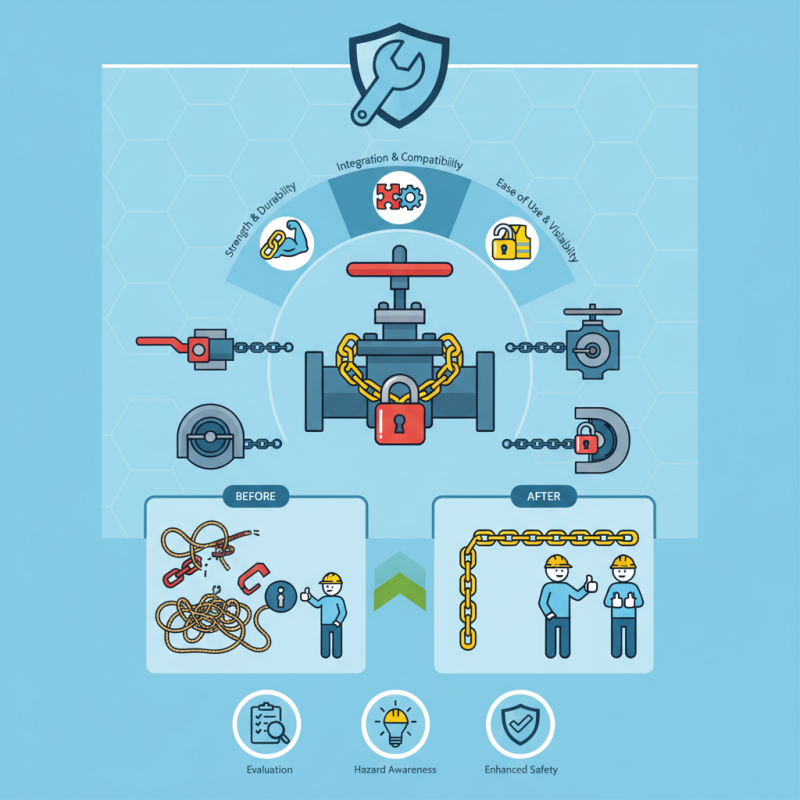
Understanding Valve Lockout Chains and Their Importance
Valve lockout chains play a critical role in ensuring workplace safety. These chains are essential in preventing unauthorized valve operation during maintenance. Effective lockout systems rely on proper equipment, especially lockout chains, to minimize risks. When machinery is being serviced, a single mistake can lead to serious injuries.
Creating a safe environment involves choosing the right valve lockout chain. They come in various lengths and materials, allowing for flexibility in different settings. Ensure that the chain is durable and resistant to corrosion. When chains are properly installed, they provide a visual barrier. This deters personnel from inadvertently manipulating valves.
**Tip:** Regularly inspect your lockout chains for wear and tear. Identifying weak points early can prevent accidents. Always train your team on best practices for lockout procedures. Clear communication is key. When everyone understands their roles, safety levels rise significantly.
**Tip:** Consider color-coding lockout devices for quick identification. This simple step can save time during emergencies. Make sure every employee knows the significance of these colors. Their awareness fosters a collective responsibility for safety protocols.
Best Valve Lockout Chain Solutions for Secure Lockout Systems
Types of Valve Lockout Chain Materials and Their Benefits
Valve lockout chains are critical in securing industrial systems. They prevent accidental valve operation during maintenance. The materials used for these chains greatly impact their effectiveness and reliability.
Common materials include steel, plastic, and aluminum. Steel chains offer durability and strength, making them ideal for heavy-duty applications. According to industry reports, steel lockout chains can withstand extreme conditions, including high temperatures and corrosive environments. However, they may require additional rust prevention measures.
Plastic chains are lightweight and resistant to corrosion. They are perfect for operations involving chemicals. A study shows that plastic materials reduce the risk of injuries in wet conditions. Aluminum chains provide a middle ground with a blend of strength and lightweight characteristics. Each material has unique benefits that cater to specific environments. Selecting the appropriate chain is not just about strength; it involves understanding the specific challenges each setup faces.
In practice, the choice of valve lockout chain can influence compliance with safety regulations. Companies should assess their operational needs carefully. Ignoring the material implications may lead to inefficiencies or safety hazards.
Key Features to Consider in Lockout Chain Solutions
When selecting lockout chain solutions, consider key features that ensure safety and reliability. Durability is essential. Chains should be resistant to wear, weather, and chemicals. This enhances their life span and performance. Materials like stainless steel are popular for their strength. Other options may be lighter but less durable.
Visibility is another critical feature. Choose brightly colored chains to improve visibility in the workplace. This reduces the risk of accidental removal by staff or unauthorized personnel. Reflective options can also enhance safety during low-light conditions.
Tip: Regularly inspect your lockout chains for any signs of damage. Small wear and tear could compromise safety.
Think about the ease of use. A user-friendly design can streamline the lockout process. Chains that are too complex can lead to confusion. This may increase risks in hazardous environments. Training your team on effective use is crucial.
Tip: Conduct periodic training sessions. This keeps safety protocols fresh in employees’ minds. Encourage feedback on the lockout system to identify areas for improvement.
Best Practices for Implementing Valve Lockout Chains
Implementing effective valve lockout chain solutions is crucial for maintaining safety in industrial environments. A well-structured lockout system ensures that energy sources are properly disengaged during maintenance. According to a report by the Occupational Safety and Health Administration (OSHA), improper lockout/tagout procedures account for about 120 fatalities annually in the U.S. Alone. Organizations must prioritize training and regular audits to comply with safety standards.
One of the key best practices is ensuring that the lockout chains used are robust and clearly marked. Chains must be resistant to harsh environments, preventing wear and tear. Additionally, color-coded locking mechanisms can aid in quick identification and facilitate compliance. A recent study indicated that workplaces with visual cues saw a 30% decrease in lockout violations. Workers should be trained on these visual indicators to ensure they understand their importance.
Regular reviews of the lockout procedures also play a vital role. Teams should share feedback on their experiences and identify areas for improvement. While strict protocols are essential, real-world applications often reveal gaps that need addressing. Engaging employees in discussions about safety challenges can lead to more effective solutions. Striving for continuous improvement within lockout systems can significantly enhance workplace safety.
Best Valve Lockout Chain Solutions for Secure Lockout Systems
| Solution Type | Material | Chain Length | Color | Usage Environment |
| Plastic Lockout Chain | Polyethylene | 10 ft | Red | Indoor/Outdoor |
| Metal Lockout Chain | Steel | 15 ft | Yellow | Industrial |
| Retractable Lockout Chain | Polyester | 20 ft | Blue | Flexible Environment |
| High-Visibility Lockout Chain | PVC | 25 ft | Orange | Construction Sites |
| Durable Lockout Chain | Nylon | 30 ft | Green | Wet Environment |
Top Manufacturers and Brands of Valve Lockout Chains
When selecting valve lockout chain solutions, it’s crucial to consider manufacturers that prioritize safety and reliability. Notable industry reports reveal that over 85% of workplace accidents result from inadequate lockout-tagout (LOTO) procedures. This emphasizes the necessity for effective lockout systems, where high-quality valve lockout chains play a vital role.
Many leading manufacturers focus on durable materials and innovative designs. For instance, chains made from stainless steel or heavy-duty plastic are popular for their resilience. Reports highlight that using robust lockout solutions reduces the risk of accidental energization by up to 90%. Safety should always come first, and investing in reliable products is essential to protect workers.
Tips: Ensure your lockout chains meet relevant safety standards. Regular training on lockout procedures is also beneficial. Employees should know how to correctly apply and remove lockout devices. Lastly, conduct periodic audits to identify any gaps in your lockout system. Keeping up with industry best practices can enhance workplace safety significantly.

