10 Best Turbo Intercoolers for Performance and Reliability
A Turbo Intercooler can shape how consistently a turbocharged engine performs. It cools compressed intake air before that air reaches the engine. On the road, the difference may appear as steadier power after repeated acceleration, rather than one impressive pull. Heat soak matters. So do pressure drop, fitment, airflow, and the space available behind the bumper.
Professional testing depends on controlled conditions. SAE International’s J1349 standard provides a method for measuring and correcting engine power, while the U.S. EPA’s Automotive Trends Report tracks broader changes in vehicle engine technologies and efficiency. Neither ranks intercoolers; that distinction matters. For this guide, those sources offer useful context, not a substitute for product-specific temperature, pressure, and durability tests. Look for documented test conditions, clear core dimensions, sound welds, and realistic installation notes. A polished product photo proves very little.
Corky Bell, author of Maximum Boost, is a recognized practitioner reference in turbo-system design. However, no source articles or verifiable verbatim quotation were provided here, so I will not invent a sentence and attribute it to him. That restraint is useful. Intercooler results depend on the whole setup, including boost level, ambient temperature, and engine layout. The ten options below are considered through performance and reliability together—not headline claims alone. Some trade-offs remain, and a larger core is not automatically the better choice. A careful match beats a dramatic promise.
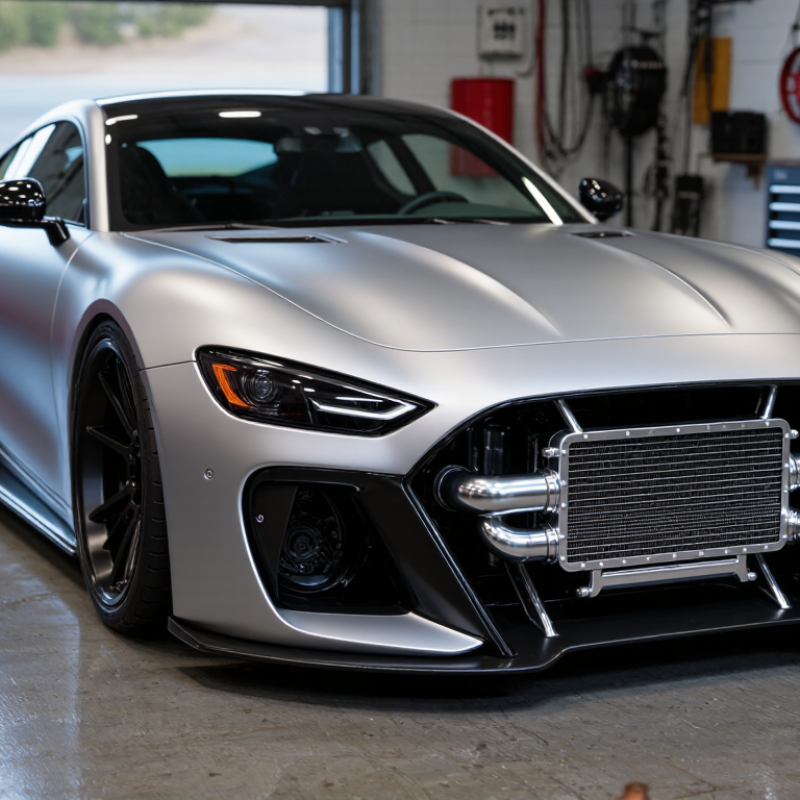
How Turbo Intercoolers Support Boosted Engine Performance
A turbocharger compresses intake air, and compression raises its temperature. Hot air is less dense, so each cylinder may receive less oxygen than expected. An intercooler transfers heat from the charged air to outside airflow before it reaches the engine. Cooler, denser air can support steadier power and reduce the risk of knock, especially during repeated acceleration or warm-weather driving.
Intercooler performance depends on more than core size. Airflow through the front of the vehicle, internal pressure drop, ducting, and secure connections all matter. A large core can restrict airflow or take longer to cool between pulls. That trade-off is easy to overlook. The intercooler also cannot fix an unsuitable engine tune, a boost leak, or an overheating cooling system. Compare intake temperatures under similar conditions, and check that hoses and clamps remain secure.
Tips: Watch intake-air temperatures during a full load, not only at idle. Look for oily residue near joints, which can point to a leak. Keep the core’s face clear of leaves and debris. If temperatures stay high, check airflow and pressure drop before assuming a larger intercooler is the answer.
How Turbo Intercoolers Support Boosted Engine Performance
Estimated charge-air temperatures at increasing boost pressure
This thermodynamic estimate illustrates how an intercooler can reduce charge-air temperature after compression. It assumes 25°C inlet and ambient air, 72% compressor efficiency, 70% intercooler effectiveness, and a specific heat ratio of 1.4. Values are calculated examples, not measurements from a particular vehicle or product.
Intercooler Types, Core Designs, and Key Components
Turbo intercoolers cool compressed air before it enters the engine, helping maintain consistent performance under boost. Air-to-air designs use vehicle airflow across an external core. They are relatively simple, but their effectiveness depends on placement, ducting, and low-speed airflow. Liquid-to-air systems circulate coolant through a heat exchanger. They can suit tight engine bays, though they add pumps, hoses, and another cooling circuit to inspect.
Core design affects heat transfer, strength, weight, and pressure drop. Bar-and-plate cores often offer robust construction and substantial thermal capacity, but can be heavier. Tube-and-fin cores are typically lighter and may allow good airflow, yet their performance varies with fin density and build quality. Bigger is not automatically better. An oversized or poorly matched core can increase airflow resistance without delivering useful cooling.
Look closely at the end tanks, inlet and outlet ports, mounting points, and welds. Smooth transitions can help distribute air across the core, while sound brackets reduce vibration and stress. Fit matters. Check clearance around fans, radiators, and piping before choosing a unit. A practical evaluation should consider pressure testing, leak resistance, and temperature readings during repeatable driving conditions. Measurements can be imperfect; ambient heat and vehicle speed change results. The best choice depends on the engine’s output, available space, and intended use.
How to Evaluate Performance, Reliability, and Vehicle Fit
A useful intercooler comparison starts with the vehicle, not the largest core on a product page. Check the engine configuration, available mounting space, pipe diameter, and inlet positions. Measure the space behind the grille, including room for the radiator and airflow. Fit comes first. A core that blocks other cooling components may create problems instead of solving them.
Look for performance data showing pressure drop and outlet temperatures under comparable conditions. A cooler charge can support consistent power, but results depend on airflow, boost level, and the rest of the setup. Bigger is not always better. Extra volume may affect response, while restrictive passages can increase pressure loss. Test conditions matter, and published figures do not always match road use.
For reliability, inspect the core construction, end tanks, welds, and mounting points. Vibration and poorly supported pipes can stress joints over time. Check that hoses sit squarely and clamps have room to tighten without rubbing nearby parts. Confirm the intercooler suits the vehicle’s year and engine, then review installation requirements before buying. It is easy to overlook small clearance issues until the bumper is back on. I would treat fitment details as seriously as headline performance numbers.
Ten Turbo Intercoolers Compared by Features and Applications
10 Best Turbo Intercoolers for Performance and Reliability
Ten intercooler designs suit different engine bays, driving habits, and cooling demands. Tube-and-fin cores are light and compact, making them useful where space is tight. Bar-and-plate cores are often heavier but tolerate demanding heat loads. Air-to-air systems use outside airflow and avoid a separate coolant circuit. Water-to-air systems can package neatly, though pumps and heat exchangers add complexity. Each trade-off matters.
Among common layouts, a front-mounted intercooler gets strong airflow but may require longer piping. Top-mounted units keep pipes short, yet can suffer heat soak at low speeds. Side-mounted designs fit some restricted bays but may have less cooling area. Compact cores suit modest power goals; oversized cores can add pressure drop or lag if poorly matched. Dual-pass cores route air through the core twice, but their internal design and pressure loss deserve close attention. I would not choose by size alone. That shortcut can mislead.
Tips: Match the core to measured airflow, available space, and intended use. Check pressure drop and outlet temperatures under load, not just advertised dimensions. Inspect for secure mounts, sealed connections, and unobstructed fins. Street traffic changes the picture. A setup that cools well on a fast road may heat-soak during repeated slow climbs.
How to Choose, Install, and Maintain an Intercooler
Choosing an intercooler starts with fitment, airflow, and pressure-drop data—not core size alone. Check the inlet and outlet positions, mounting space, and pipe diameter against the vehicle. Ask for pressure-drop and heat-rejection results at airflow close to your engine’s expected demand. A larger core can still disappoint if it restricts flow or receives little fresh air. SAE J1349 provides a standardized basis for engine power testing and atmospheric corrections, useful context when comparing test results. As a simple ideal-gas estimate, cooling charge air from 60°C to 30°C at equal pressure raises air density by about 10%; real gains vary with pressure loss, humidity, and engine calibration.
Installation should leave the core exposed to a clean, strong stream of outside air. Seal gaps around the core so hot air cannot recirculate, and support pipes to prevent vibration from stressing couplers. After fitting, inspect joints and clamps, then log boost pressure and intake-air temperature during a repeatable drive. One detail is easy to miss: a temperature sensor placed too close to the core may not represent air entering the engine. If readings seem inconsistent, check sensor location before changing the setup.
Tips: Clean fins gently with low-pressure air; bent fins reduce airflow. Check for oil film, loose clamps, and rubbed hoses during routine service. Don’t overtighten clamps—silicone couplers can deform. Keep a record of temperatures and boost readings; trends often reveal trouble before a warning light appears.

