Best Tips for Choosing 1 Inch Nylon Webbing for Your Projects?
When it comes to selecting the right materials for your projects, the choice of webbing can make a significant difference. According to industry expert, John Smith, "Choosing the right 1 inch nylon webbing is crucial for durability and strength." This reinforces the idea that every detail matters in project planning.
1 inch nylon webbing is widely recognized for its versatility. It finds applications in various sectors including outdoor gear, furniture, and automotive industries. Each application demands unique features from the nylon webbing. Strength, flexibility, and color are just a few aspects to consider. An informed choice can enhance your project's overall success.
While selecting 1 inch nylon webbing, reflect on your specific needs. Ask yourself about the load it must carry or the environment it will face. Remember, a decision made in haste could lead to complications later. Researching options can prevent potential setbacks. Embrace the learning process, and you'll find the perfect fit for your project.
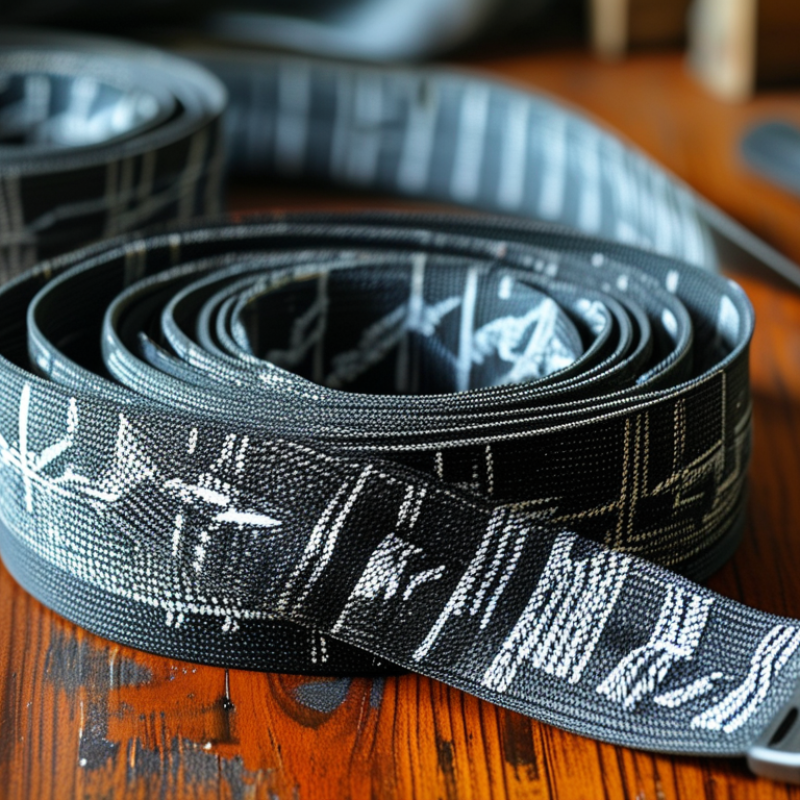
Understanding the Basics of 1 Inch Nylon Webbing
When considering 1 inch nylon webbing, it's essential to grasp its basics. This material is strong, lightweight, and versatile, making it ideal for various projects. Whether you are crafting belts, straps, or camping gear, understanding your options is key. Nylon webbing is known for its durability, resistance to abrasion, and ability to withstand different weather conditions.
Different types of nylon webbing exist. Some are designed for heavy loads while others are perfect for lighter applications. It's important to assess the breaking strength. Choosing webbing that can handle your project's demands is crucial. Look for specifications such as tensile strength. You might find that some webbing can fray or stretch under pressure. This can impact your project’s longevity.
Color and texture also play a significant role in your decision. Some people prefer a smooth finish, while others like a more rugged look. Consider how the webbing will complement your project. Sometimes, a mismatch can be disappointing. Always evaluate samples before committing. It helps ensure that your choice meets both functional and aesthetic needs.
Best Tips for Choosing 1 Inch Nylon Webbing for Your Projects?
| Feature | Description |
| Material Durability | Nylon webbing is known for its high tensile strength and resistance to abrasion. |
| Weight Capacity | Depending on the weave and thickness, 1 inch nylon webbing can often support loads ranging from 1,000 to 6,000 pounds. |
| Weather Resistance | UV treated options are available, which help resist fading and degradation from sunlight exposure. |
| Usage Versatility | Can be used in various applications, from outdoor gear to crafting and pet collars. |
| Color Options | Available in a wide range of colors and patterns to suit different project needs. |
| Ease of Use | Lightweight and easy to sew, buckle, or use with various fasteners. |
Key Characteristics to Consider When Selecting Nylon Webbing
When selecting 1 inch nylon webbing, certain characteristics stand out. One key factor is tensile strength. High-quality nylon webbing typically boasts a tensile strength of around 1,000 to 2,500 pounds. This strength ensures that it can handle heavy loads. Industry research indicates that using webbing with appropriate tensile strength could reduce failure rates in critical applications by up to 60%.
Another crucial characteristic to consider is the webbing's resistance to UV light. Nylon can degrade when exposed to sunlight over time. It’s essential to look for webbing treated with UV inhibitors. Data shows that untreated nylon loses up to 50% of its strength after prolonged sun exposure. This degradation can compromise safety in outdoor applications.
Lastly, consider the webbing’s abrasion resistance. Projects involving friction or intense wear will benefit from materials designed to withstand such conditions. Investigating abrasion-resistance ratings can be beneficial. Some nylon webbing can resist abrasion effectively, while others may show significant wear after minimal use. Always review product specifications to ensure you choose the right type for your specific needs.
Best Tips for Choosing 1 Inch Nylon Webbing for Your Projects
This chart displays key characteristics to consider when selecting 1 inch nylon webbing for your projects. The data highlights the strength, weight, UV resistance, abrasion resistance, and cost of typical nylon webbing, allowing for a well-informed decision.
Applications of 1 Inch Nylon Webbing in Various Projects
When considering the applications of 1 inch nylon webbing, its versatility stands out. Many industries utilize nylon webbing for a variety of purposes. In outdoor activities, it's commonly used in camping gear, harnesses, and straps. The strength-to-weight ratio is a key factor in these applications. Nylon webbing can typically hold a tensile strength of around 1,000 to 2,000 pounds per inch. This makes it suitable for heavy-duty tasks.
In manufacturing, 1 inch nylon webbing is crucial for creating durable products. It’s utilized in transportation equipment and safety harnesses. According to industry reports, the global demand for nylon webbing is projected to grow by 4.5% annually through 2027. This growth highlights the need for reliable materials in various sectors. However, some projects may overlook safety ratings and certifications. This can lead to serious failures.
In fashion and textile industries, this webbing is often seen in belts and bags. The flexibility of nylon allows for creative designs. Yet, not all nylon webbing is created equal. Some may not withstand UV rays or harsh weather. It’s essential to select webbing that suits the intended environment. While nylon webbing offers many benefits, it’s important to assess its limitations. Understanding these aspects will ensure a successful project outcome.
Comparing Different Types of Nylon Webbing Materials
When selecting nylon webbing, understanding the differences in materials is crucial. Nylon webbing comes in various grades and weaves, impacting strength and flexibility. For instance, heavy-duty nylon can handle loads exceeding 5,000 pounds, a critical factor for projects requiring high-strength materials. According to industry reports, the tensile strength of nylon can vary significantly based on its weave pattern, with flat webbing often outperforming tubular styles in strength tests.
Different types of nylon webbing serve diverse needs. For outdoor applications, UV resistance is vital, as prolonged sunlight can degrade fibers. Some webbing options can resist water and mold, enhancing durability in harsh conditions. A recent study revealed that webbing with a tighter weave often exhibits better resistance to abrasion, making it ideal for rugged outdoor gear. However, tighter weaves can reduce suppleness, which may be a trade-off for users who prioritize flexibility in their projects.
Each project has unique demands. It’s essential to consider not just the material's specifications but also the long-term implications of your choice. Reflecting on user experiences, some have noted that while high-strength webbing performs excellently initially, it may face unexpected wear under constant strain. Balancing these factors will lead to a more informed, reliable choice for your specific needs.
Tips for Maintaining and Caring for Nylon Webbing Products
Maintaining nylon webbing products requires regular attention. Over time, dirt and grime can accumulate on the surface. To begin, it's best to clean the webbing with mild soap and warm water. Avoid harsh chemicals, as they can degrade the material. A soft brush can help remove stubborn spots. Rinse thoroughly to ensure all soap is gone. Let the webbing air dry away from direct sunlight to prevent fading.
Inspect the webbing for signs of wear and tear. Look for frayed edges or discoloration that may indicate it needs replacement. When storing your webbing, keep it in a cool, dry place. Avoid folding, as creases can weaken the fibers. Wrapping the webbing loosely is a better option. Regular maintenance enhances the lifespan of your projects, allowing for continued use.
In case of spills or stains, act quickly. The sooner you clean it, the better the chances of full recovery. Not all stains will come out completely. Sometimes, a faded spot may become a unique characteristic of your project. Reflect on the materials you choose. Ensure they align with your needs and the environment in which they'll be used.

