Best Small End Bearings for Global Buyers in 2026?
In the global market of 2026, understanding "Small End Bearings" is crucial for buyers. These bearings play a vital role in various machinery and automotive applications. They ensure smooth operation and effective load distribution, contributing to overall efficiency.
However, many buyers face challenges when selecting the best small end bearings. With numerous options available, it can be overwhelming. Technical specifications vary widely, impacting performance and durability. Consequently, informed decision-making becomes essential for buyers to avoid costly mistakes.
Additionally, potential pitfalls exist in sourcing reliable suppliers. Many manufacturers claim expertise without the necessary credentials or experience. Therefore, buyers must evaluate the authority and reliability of their sources. It's vital to seek expert opinions and verified reviews. The market is continually evolving, demanding that buyers stay updated and adaptable. Engaging with professionals and industry insights can empower buyers in making well-rounded choices.
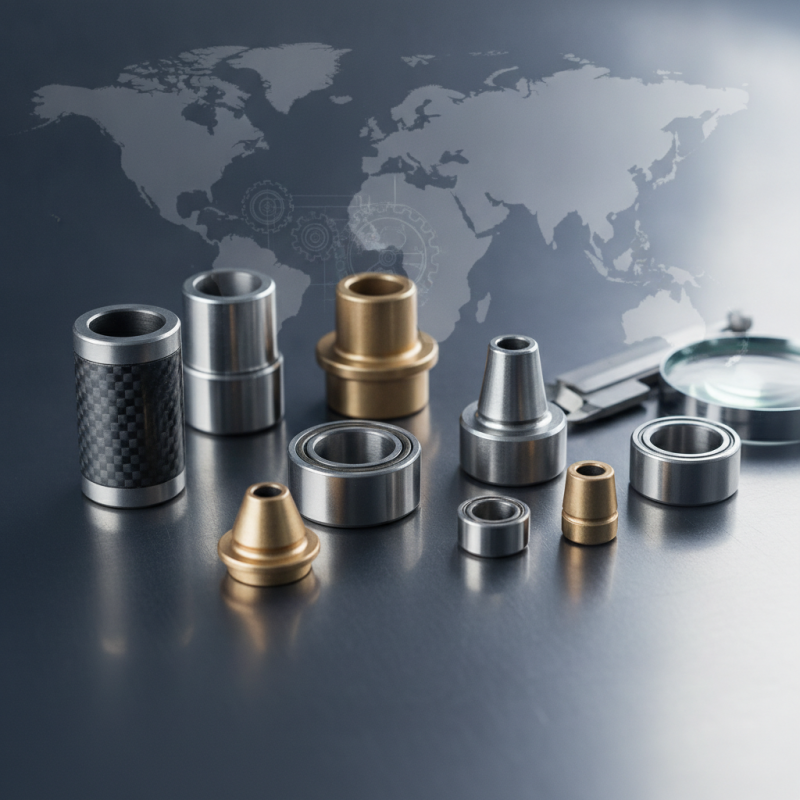
Overview of Small End Bearings and Their Importance in Engineering
Small end bearings are essential components in various engineering applications, providing support and facilitating smooth movement. These bearings are crucial in connecting rods and articulated joints. Their design impacts the performance and longevity of machinery, making them a key focus for engineers.
According to a recent industry report, the global small end bearings market is projected to reach USD 2.5 billion by 2026, with a compound annual growth rate (CAGR) of 4.8%. This growth is driven by advancements in materials and design techniques that enhance the efficiency and durability of these components.
Selecting the right small end bearing involves understanding load capacities and operating conditions. The choice of materials, such as polymer or metal alloys, can influence performance. Ensure adequate lubrication to prevent wear and extend lifespan.
Tip: Regular maintenance checks can significantly reduce unexpected failures. Consider adopting a scheduled review process to monitor wear and tear levels. Engineers should also reflect on the balance between cost efficiency and quality. In some cases, cheaper alternatives may lead to more frequent replacements, ultimately increasing costs.
Key Factors to Consider When Selecting Small End Bearings
When selecting small end bearings, several key factors demand careful consideration. The bearing material plays a crucial role in performance. Reports indicate that materials like steel and bronze are popular for their durability and corrosion resistance. Each material type works better in specific environments. It's essential to match the bearing's attributes to the application requirements.
Dimension specifications also significantly impact performance. Ensuring correct fit and alignment can prevent premature wear. According to industry data, bearings with precise tolerances show a 30% longer lifespan. However, opting for extremely tight tolerances can complicate installation and lead to higher costs.
Lube type is another aspect to address. The choice between grease or oil can alter the bearing's efficiency dramatically. A 2022 report highlighted that proper lubrication reduces friction by up to 25%. Not considering the operating environment can lead to unexpected failures. Each factor requires reflection to avoid costly mistakes.
Top Brands and Manufacturers of Small End Bearings in 2026
In 2026, the market for small end bearings is experiencing notable changes. Industry analyses indicate a growing demand driven by advancements in technology. The automotive and manufacturing sectors are major contributors to this trend. Small end bearings play a critical role in reducing friction in machinery. This enhancement leads to increased efficiency and better performance.
Leading manufacturers in this sector are focusing on producing more durable materials. Recent reports suggest that companies are investing heavily in research and development. According to a market study, nearly 70% of industry players prioritize innovation. Sustainability is another key factor. Many brands are adopting eco-friendly production processes, responding to consumer demand for greener options.
Challenges remain despite these advancements. Some manufacturers still face quality control issues. The variability in material standards can lead to inconsistent performance. Buyers should carefully evaluate suppliers to ensure reliability. Not all manufacturers have embraced the latest techniques, which can impact product longevity. Making informed decisions is essential for achieving optimal performance.
Best Small End Bearings for Global Buyers in 2026
Innovative Technologies Shaping the Future of Small End Bearings
Innovative technologies are reshaping the landscape of small end bearings. The industry is witnessing a growing trend towards the integration of advanced materials and smart technology. Research shows that composite materials can enhance durability and reduce weight, leading to improved efficiency. For instance, a recent study reported that bearings made from high-performance polymers can increase lifespan by up to 30%.
Electronics are becoming essential. Smart bearings, equipped with sensors, provide real-time data on performance metrics. This innovation allows for predictive maintenance. According to industry reports, predictive analytics can reduce downtime by 15%. However, the adoption rate of these technologies is varied. While some segments embrace these advancements, others are slow to adapt. It raises questions about cost versus benefit for small enterprises.
Sustainability is also a pressing concern. Eco-friendly manufacturing processes are gaining traction. A survey indicated that 70% of industry leaders prioritize sustainable solutions for future products. Yet, implementing green technologies can be challenging, especially for small manufacturers with limited resources. Balancing innovation with accessibility remains a critical issue for the future of small end bearings.
Global Market Trends and Demand for Small End Bearings in 2026
The global market for small end bearings is poised for significant growth in 2026. As industries become more automated, the demand for high-performance components continues to rise. Small end bearings play a crucial role in enhancing machinery efficiency. These components reduce friction, improve load handling, and boost overall productivity in various applications.
A few trends are emerging in the small end bearings market. Manufacturers focus on developing lightweight materials to enhance performance. Sustainability is also a priority, with more companies seeking eco-friendly options. As a buyer, consider the materials used in these bearings. High-quality materials can lead to longer lifespans and better performance.
**Tip:** When selecting small end bearings, prioritize reputable suppliers with a proven track record. Check for certifications that indicate compliance with international standards.
Moreover, understanding the expected lifecycle of these components is essential. Some may wear out sooner than others, demanding careful monitoring. Buyers should balance initial costs with long-term performance.
**Tip:** Regular maintenance can extend the lifespan of small end bearings. Evaluate your machinery's requirements before making a purchase.

