Best PMSM Motor for EV Efficiency and Performance?
The demand for electric vehicles (EVs) is surging, fueled by a global shift towards sustainability. As manufacturers aim for higher efficiency, the choice of the PMSM motor for EV plays a crucial role. According to a 2021 market report by ResearchAndMarkets, synchronous motors, particularly Permanent Magnet Synchronous Motors (PMSMs), are expected to dominate the EV sector, accounting for over 60% of the market share by 2025.
Industry expert Dr. John Schaffer states, "The PMSM motor for EVs is key for maximizing both performance and efficiency." This underscores the importance of selecting the right motor for the desired application. PMSMs offer superior torque density and efficiency compared to their alternatives. However, challenges remain, including cost and optimization for different vehicle designs.
Innovations in this field are ongoing. As studies indicate, while PMSMs excel in many areas, addressing thermal management and cost reduction will be pivotal. Manufacturers need to weigh both advantages and drawbacks. As we explore the best PMSM motor for EVs, understanding these complexities will help shape the future of electric mobility.
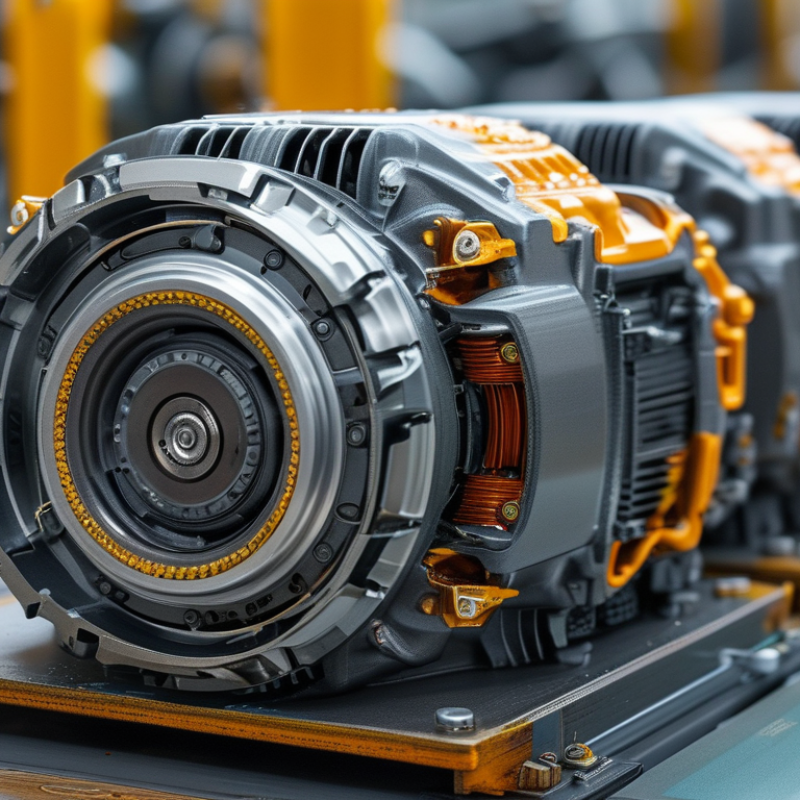
Understanding Permanent Magnet Synchronous Motors (PMSM) in EVs
Permanent Magnet Synchronous Motors (PMSM) play a crucial role in electric vehicles (EVs). Their efficiency surpasses that of many conventional motors. This efficiency stems from the use of permanent magnets, which reduce energy loss. In addition, PMSMs provide high torque density, enabling swift acceleration. Their compact size allows for versatile applications in diverse EV designs.
However, not all PMSMs are created equal. Motor design intricacies, like magnet quality and winding configurations, significantly impact performance. Engineers often debate the ideal balance between efficiency and cost. This complexity raises questions about the long-term viability of various designs. It presents an ongoing challenge for manufacturers striving for optimal results.
The growing demand for sustainable transport amplifies the importance of PMSMs. As technology evolves, so do the methods of optimizing these motors. Continuous research and development are vital, ensuring that PMSMs remain competitive. The electric vehicle landscape is dynamic, raising the bar for innovation and efficiency. Understanding these motors is essential for anyone looking to enhance EV performance.
Key Efficiency Metrics for Selecting PMSM Motors in Electric Vehicles
When selecting a Permanent Magnet Synchronous Motor (PMSM) for electric vehicles, key efficiency metrics are crucial. The focus should be on torque density, thermal performance, and overall energy efficiency. High torque density allows for a compact design without sacrificing performance. This is vital in a market that values space and weight savings.
Thermal performance is another significant factor. A motor's ability to dissipate heat affects its reliability and longevity. Elevated temperatures can lead to decreased efficiency and potential motor failure. Additionally, energy efficiency directly impacts the driving range of electric vehicles. Motors must convert the maximum amount of electrical energy into mechanical power with minimal losses.
Practitioners should not overlook the importance of system integration. The motor must work seamlessly with the inverter and battery. This integration affects overall performance and efficiency. Sometimes, achieving perfect synergy is challenging, as compatibility issues can arise. Careful assessment and testing are necessary to ensure optimal performance in real-world conditions.
Best PMSM Motor for EV Efficiency and Performance
| Motor Type | Max Efficiency (%) | Power Density (kW/L) | Weight (kg) | Torque (Nm) | Temperature Rise (°C) |
| Interior Permanent Magnet | 96 | 5.0 | 50 | 200 | 45 |
| Surface Mounted Permanent Magnet | 92 | 4.5 | 60 | 180 | 50 |
| Switched Reluctance Motor | 85 | 3.8 | 70 | 150 | 55 |
| Synchronous Reluctance Motor | 90 | 4.2 | 65 | 170 | 48 |
Comparison of PMSM Motor Types for Optimal EV Performance
Permanent Magnet Synchronous Motors (PMSM) are critical for improving electric vehicle (EV) efficiency. Different types of PMSM motors offer varying benefits and performance characteristics. Two main types are surface-mounted and interior-permanent magnet motors. Surface-mounted motors provide simpler construction, while interior motors offer better thermal performance and torque density.
A study by the International Energy Agency reported that PMSM motors can achieve efficiencies of up to 95%. This efficiency translates into longer driving ranges for EVs, a significant consideration for consumers. The choice of motor can thus markedly impact overall vehicle performance and user satisfaction. However, higher manufacturing costs pose challenges for widespread adoption.
Tips: Focus on finding a balance between efficiency and cost. Analyze the torque requirements of your design. Surface-mounted motors may be better for lower-cost applications.
The design of PMSM motors is crucial. A well-designed interior motor can improve thermal management and minimize heat losses. Nevertheless, complex designs may increase production difficulties. Consequently, manufacturers must assess these trade-offs carefully. Running simulations can help identify the optimal configuration for a specific EV application. Prioritize reliability while aiming for high efficiency.
Impact of Design Features on PMSM Motor Efficiency in EV Applications
In the evolving landscape of electric vehicles (EVs), Permanent Magnet Synchronous Motors (PMSMs) are gaining traction for their efficiency and performance. The design features of these motors significantly impact their effectiveness in various applications. Key aspects include rotor design, stator winding, and magnetic material selection. Each choice influences thermal management, energy loss, and overall efficiency.
For instance, a well-optimized rotor can reduce cogging torque, enhancing smooth operation. However, this requires careful balancing of weight and magnetic flux. Insufficient analysis in this area may lead to inefficiencies. Moreover, the choice of lamination thickness and type can greatly affect magnetic hysteresis losses. It's critical to evaluate these factors throughout the design process.
Learning from ongoing research is essential. Not every design feature will lead to improved performance. Some designs might look promising but can complicate manufacturing processes. Exploring simulations and prototyping can help identify dissonance early. Ultimately, engineers must remain open to revising initial designs based on practical insights and testing outcomes. Thus, the path to achieving optimal efficiency in PMSM motors for EVs is a continuous journey of reflection and refinement.
Future Trends in PMSM Technology for Enhanced Electric Vehicle Performance
In electric vehicle (EV) technology, Permanent Magnet Synchronous Motors (PMSMs) stand out for efficiency and performance. Recent advancements are enhancing their potential. Understanding these trends is vital for developers and manufacturers aiming for better vehicles.
One emerging trend is the integration of advanced materials. New magnet formulations can improve efficiency by reducing losses. Lightweight materials are also becoming significant. They enhance overall vehicle performance while maintaining strength. However, sourcing these materials sustainably remains a challenge.
Another area of focus is thermal management. Efficient cooling systems for PMSMs can prolong motor life. Innovations in heat dissipation techniques increase reliability. Manufacturers must invest in R&D to optimize these systems continually.
Tips: Regular testing is essential. Evaluate new materials and methods frequently. Involve various stakeholders in the development process. Collaboration can lead to insightful breakthroughs. Don’t overlook feedback from users. It is a valuable resource for continuous improvement.
Best PMSM Motor for EV Efficiency and Performance

