Best Packaging Machinery for Efficient Production Solutions?
In the fast-evolving world of manufacturing, choosing the right Packaging Machinery is crucial for efficiency. Industry expert John Smith emphasizes, “Innovative packaging solutions can reshape production lines.” His insights reflect the growing importance of advanced machinery in achieving streamlined processes.
Recent advancements in Packaging Machinery have transformed how companies operate. Efficient packing reduces waste and improves product turnover. However, many businesses struggle to find the ideal equipment. This often leads to operational bottlenecks and increased costs.
Innovation in packaging should never be overlooked. It is vital to assess machinery that fits unique production needs. Reliability and adaptability are key in making impactful decisions. Selecting the best Packaging Machinery might feel overwhelming. Yet, the right choice can result in significant gains for production efficiency. Companies must keep refining their processes to thrive in today’s market.
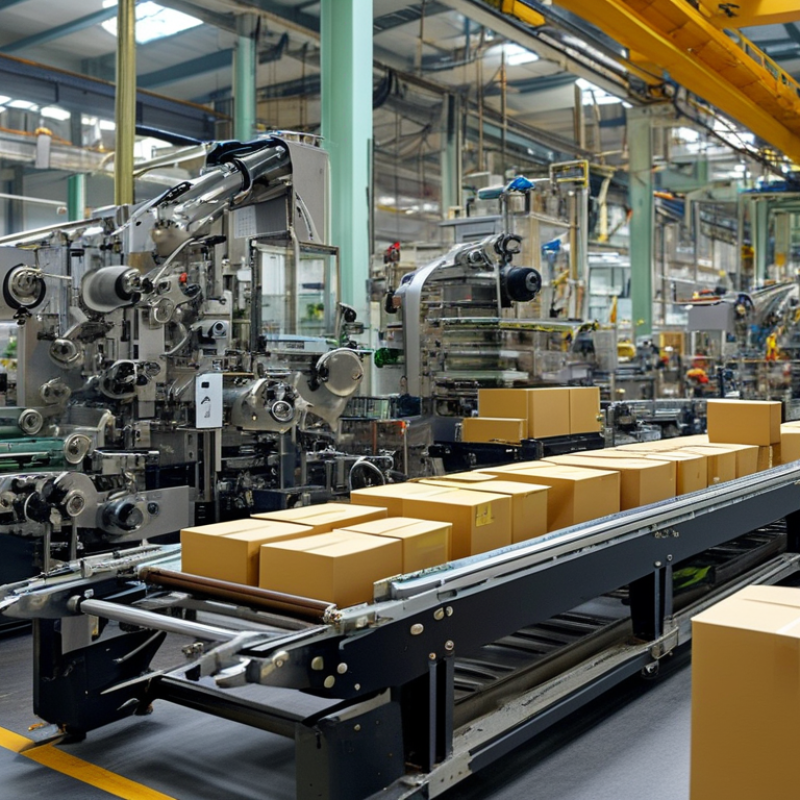
Types of Packaging Machinery for Different Industries
In today's fast-paced production landscape, various industries depend on specific types of packaging machinery. The food and beverage sector, for instance, utilizes horizontal flow wrappers. These machines ensure efficient packaging of items like snacks and frozen foods. According to a recent market report, this machinery type is expected to grow at a CAGR of 4.5% over the next five years. This growth signals a need for innovation in design and operation.
Pharmaceutical companies lean towards advanced blister packaging machines. These machines are crucial for maintaining product quality and extending shelf life. Reports indicate that blister packaging can reduce spoilage by up to 10%, enhancing safety and reliability in drug delivery. However, challenges exist. Not all companies can afford the initial investment in these technologies. This barrier might hinder smaller players from achieving efficiency.
In the cosmetics industry, automated labeling and filling machines are prevalent. Precision is vital here to meet consumer expectations. A survey revealed that over 60% of consumers prefer products with accurate labeling. Yet, inefficiencies often arise from bottlenecks in the production line. Regular maintenance is essential, but many firms neglect this aspect. Understanding the unique needs of each sector helps in optimizing operations and maximizing output.
Best Packaging Machinery for Efficient Production Solutions
| Type of Machinery | Industry | Functionality | Efficiency (%) |
| Vertical Form Fill Seal | Food & Beverage | Fills and seals pouches | 90 |
| Cartoning Machine | Pharmaceutical | Packages individual items into cartons | 85 |
| Labeling Machine | Cosmetics | Automates the labeling process | 88 |
| Shrink Wrapping Machine | Consumer Goods | Wraps products in plastic film | 92 |
| Stretch Wrapping Machine | Logistics | Secures pallet loads with stretch film | 95 |
Key Features to Consider When Choosing Packaging Equipment
When selecting packaging machinery, understanding key features is essential. Efficiency is a primary concern. According to a 2022 report by PMMI, 73% of manufacturers prioritize speed and automation in their packaging processes. Fast machinery reduces downtime and increases output, which is crucial for meeting high demand.
Flexibility in packaging types is also important. Machines that can handle various products, from liquids to solids, offer versatility. This adaptability allows businesses to pivot quickly based on market trends. Furthermore, ease of use cannot be overlooked. An intuitive interface can enhance operator efficiency and reduce the learning curve. It should enable quick adjustments for different packaging styles.
Maintenance features should also be a focus. Machinery with easy access for cleaning and part replacement minimizes production disruptions. A report from the Food Processing Industry indicates that companies save up to 20% on operational costs with machinery designed for simple upkeep. Evaluating these aspects can significantly impact a company's overall success and production efficiency in the competitive packaging landscape.
Benefits of Automating Packaging Processes in Production
Automating packaging processes significantly enhances production efficiency. It reduces manual labor and minimizes human error. This shift allows employees to focus on more complex tasks, leading to better use of skills. Automation streamlines workflows, optimizing packaging lines for faster output. Considering the rapid market demands today, businesses must adapt quickly.
One common concern with automation is the initial cost. Investing in new machinery may seem daunting. However, long-term savings on labor costs and increased productivity often outweigh these upfront expenses. Moreover, automated processes can standardize packaging quality, reducing waste and rework. Such consistency can improve product appeal, ultimately benefiting the brand.
Another aspect to consider is training. Employees need to understand how to operate and maintain new machinery. Continuous training programs can foster confidence and efficiency among the workforce. This learning curve can feel overwhelming, but patience and practice often lead to successful implementation. In the end, the benefits of automating packaging processes present a valuable opportunity for businesses striving for growth and sustainability.
Innovative Technologies in Modern Packaging Machinery
Modern packaging machinery is evolving rapidly, driven by innovative technologies. These advancements enhance efficiency and adapt to diverse production needs. Automation is one key area transforming the industry. Robotic systems now perform tasks like sorting and palletizing with remarkable precision. This reduces labor costs and minimizes errors, but implementation can be challenging for some businesses.
Another significant trend is the rise of smart packaging. IoT technology allows machinery to communicate and optimize production processes in real-time. This connectivity can lead to better resource management and reduced waste. However, integrating these systems requires careful planning and staff training. The initial investment may be daunting, yet the long-term benefits often outweigh the risks.
Sustainability, too, is reshaping packaging machinery. Companies are exploring eco-friendly materials and energy-efficient solutions. This shift is essential as consumers increasingly prioritize sustainable practices. While innovation is promising, it’s crucial to balance technological advancements with practical applications. The goal should be to enhance efficiency while remaining mindful of environmental impact. This ongoing journey requires reflection and adaptation in the ever-changing landscape of packaging.
Maintenance and Support for Optimal Packaging Equipment Performance
In the packaging machinery sector, maintenance and support play crucial roles in maximizing equipment performance. Regular service can minimize downtime. According to the Packaging Machinery Manufacturers Institute, unplanned stoppages can cost companies around $22,000 per hour. This highlights the need for efficient maintenance strategies.
Implementing a preventive maintenance program can enhance equipment reliability. A study indicated that such programs can reduce equipment failure rates by nearly 30%. However, many businesses overlook this aspect. Sometimes, companies focus too much on production speed, neglecting the health of their machinery. Ignoring regular checks can lead to significant financial losses and operational disruptions.
Support from knowledgeable technicians is equally vital. Expert insights can help identify potential problems before they escalate. For instance, real-time monitoring technology can predict equipment issues, allowing timely interventions. However, not all manufacturers prioritize this kind of support. A lack of training or resources can hinder effective maintenance practices. Reliable equipment cannot deliver its full potential without a well-structured maintenance approach.

