What Are the Best Ltcc Equipment for Global Buyers?
In the rapidly evolving field of electronics, understanding the best Ltcc Equipment is crucial for global buyers. This specialized technology plays a pivotal role in the production of high-performance electronic components. Dr. Emily Chen, an expert in LTCC technology, emphasizes, "Choosing the right LTCC equipment can significantly elevate the quality of your products."
Global buyers face a variety of options, each with unique features. The right equipment can streamline production and enhance design flexibility. However, many buyers may overlook critical specifications that can lead to inefficiencies. Understanding production capacity and material compatibility is essential for making informed decisions.
Investing in LTCC equipment requires careful consideration and research. Buyers should assess their specific needs and long-term goals. Many organizations have faced setbacks by rushing this process. Engaging with experienced suppliers and asking the right questions can help avoid common pitfalls. With thoughtful planning, buyers can optimize their operations and stay competitive in the market.
Understanding LTCC (Low-Temperature Co-fired Ceramics) Technology
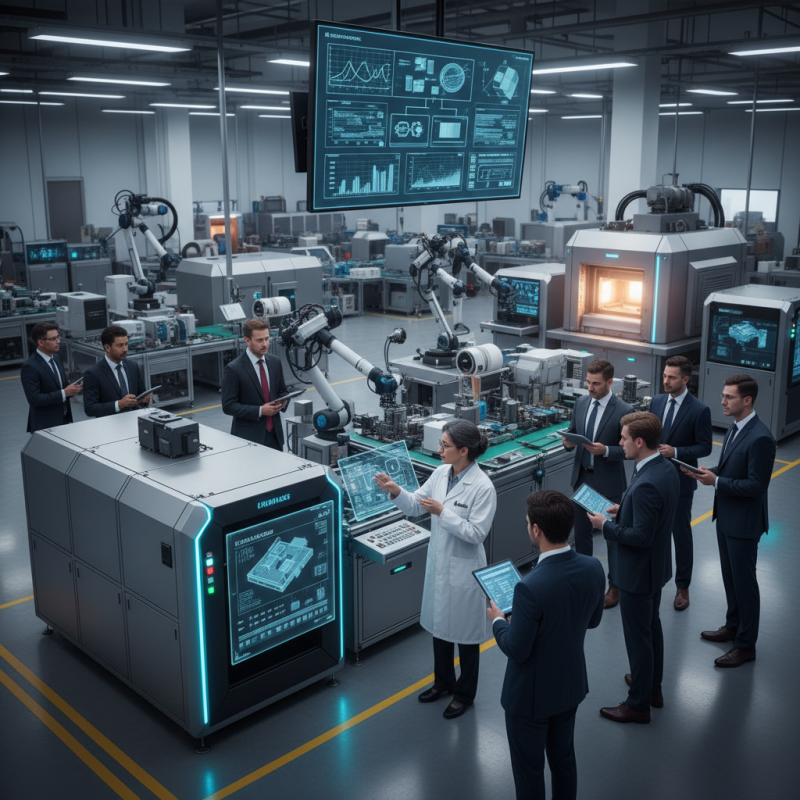
Low-Temperature Co-fired Ceramics (LTCC) technology is revolutionizing various industries, particularly in electronics and telecommunications. This technology involves co-firing ceramic materials with metallic conductors at lower temperatures compared to traditional methods. A significant advantage is the ability to build complex, multi-layered structures, allowing for miniaturization.
According to recent market reports, the global LTCC market is expected to reach $6.1 billion by 2026, growing at a CAGR of approximately 8.3% from 2021 to 2026. This growth is driven by increasing demands for compact electronic devices and advanced communication systems. However, the initial manufacturing costs remain a concern. This leads to a reflection on the balance between investment and potential return.
Adopting LTCC technology can streamline design and manufacturing processes. It enables integration of passive components, leading to smaller footprints for devices. Despite these benefits, challenges like material degradation and thermal management need attention. It's essential for engineers to consider these factors when designing LTCC-based systems.
Key Applications of LTCC in Various Industries
LTCC (Low-Temperature Co-fired Ceramic) technology has found a range of vital applications across various industries. In telecommunications, LTCC components are crucial for devices operating at high frequencies. This includes mobile communication systems and satellite communications. According to a report by MarketsandMarkets, the global telecommunications market is projected to expand at a CAGR of 8% from 2021 to 2026. This growth underscores the increasing reliance on efficient ceramic technology.
In the automotive sector, LTCC is becoming indispensable for electric vehicles (EVs). These components offer excellent thermal management and reliability, required for battery management systems. A notable finding from a recent study shows that the demand for advanced ceramic substrates in electric vehicles is expected to grow by over 25% annually until 2028. This trend reflects a shift toward more sustainable automotive technologies.
Moreover, in medical devices, LTCC is used for implantable devices due to its biocompatibility and stability. A recent analysis highlighted that the medical plastics market will see a significant rise, reaching $30 billion by 2026. This suggests that sectors utilizing LTCC are also expanding rapidly. However, manufacturers need to address the challenges of cost and material sourcing. It is essential to keep innovating while ensuring compliance with stringent healthcare standards.
Top Manufacturers of LTCC Equipment for Global Buyers
The landscape for LTCC (Low-Temperature Co-fired Ceramics) equipment is vast and diverse. Leading manufacturers contribute significantly to the evolving industry. Each brings unique technology and expertise to the table. Many companies focus on precision and efficiency. Some prioritize innovative designs, enhancing production capabilities.
Global buyers must consider several factors when choosing LTCC equipment. Quality is paramount. However, cost and support services also weigh heavily on decisions. Not every supplier excels in all areas. It’s crucial to evaluate each option thoroughly. An informed buyer can identify the most suitable equipment. Market needs are constantly changing, pushing manufacturers to adapt. The right tools can streamline operations but may require an initial learning curve.
Seeking advice from industry professionals is beneficial. Inconsistent experiences highlight the need for careful selection. Peer recommendations can guide decisions. However, even trusted sources may have biases. Buyers should combine insights with thorough research. The path to selecting LTCC equipment demands diligence and critical thinking.
Top LTCC Equipment Performance Overview
Factors to Consider When Choosing LTCC Equipment
When choosing LTCC (Low-Temperature Co-fired Ceramic) equipment, several factors must be considered. The size of the manufacturer, for example, plays a critical role. Larger companies may require high-throughput systems, while smaller businesses might focus on versatility. According to a recent report by Industry Insights, the demand for LTCC technologies is projected to grow at a CAGR of 6.5% over the next five years. This growth indicates that investing in the right equipment is crucial.
Another factor involves the technology level of the equipment. Advanced machinery offers improved precision and efficiency but can be more costly. Data suggest that over 70% of manufacturers prioritize equipment that enhances production quality and reduces waste. However, not all buyers have the budget for cutting-edge technology. It's essential to balance cost with potential returns.
Lastly, consider the supplier's support and service. A reliable supplier can significantly affect operational success. Equipment breakdowns can lead to production delays. An Associated Partners report highlights that about 30% of delays stem from inadequate machine support. This is a crucial area that needs reflection during the selection process.
What Are the Best LTCC Equipment for Global Buyers? - Factors to Consider When Choosing LTCC Equipment
| Equipment Type | Key Features | Considerations | Average Price Range |
| Tape Casting Machines | High precision, uniform thickness control | Material compatibility, ease of operation | $50,000 - $200,000 |
| Screen Printers | Fine line printing, adjustable screen tension | Printing speed, maintenance requirements | $40,000 - $150,000 |
| Furnaces | Controlled atmosphere, multi-zone heating | Thermal uniformity, energy efficiency | $100,000 - $500,000 |
| Laser Trimming Machines | High precision trimming, programmable settings | Speed of operation, software compatibility | $70,000 - $300,000 |
| Inspection Systems | Automated visual inspection, defect detection | Integration with production line, reliability | $30,000 - $120,000 |
Emerging Trends in LTCC Technology and Equipment Market
The LTCC technology market is rapidly evolving. Emerging trends reflect a growing demand for miniaturization and high-performance solutions. Many industries, including automotive and telecommunications, are embracing these advancements. As devices become smaller, manufacturers must adapt their equipment. Innovations in printing techniques and material compositions are gaining traction. This shift is essential for creating complex circuits in limited spaces.
Additionally, sustainability is influencing LTCC equipment choices. Buyers are looking for solutions that reduce waste and enhance energy efficiency. Many new machines incorporate eco-friendly practices. However, challenges remain. Not all manufacturers prioritize sustainability, and the cost of cutting-edge equipment can be high. There is a need for more transparent practices within the industry.
The global LTCC market continues to face pressure from cost and performance requirements. Buyers must navigate this complex landscape carefully. Quality assurance and supplier reliability are critical factors. Establishing strong partnerships can help mitigate risks. Emerging trends indicate a bright future, but market dynamics will always pose potential hurdles.

