2026 Best Laser Sheet Cutting Machine for Global Buyers?
As the demand for precision manufacturing grows, the market for Laser sheet cutting machines is evolving rapidly. According to a recent industry report by Allied Market Research, the global laser cutting market is projected to reach $6.54 billion by 2026, showcasing a compound annual growth rate (CAGR) of 6.7% from 2019 to 2026. This growth highlights the increasing reliance on laser technology in various industries, including automotive and aerospace, where accuracy is paramount.
Laser sheet cutting machines provide unparalleled efficiency and precision in cutting metal, plastics, and composites. However, selecting the right machine can be challenging for buyers due to diverse options and fluctuating market trends. Research indicates that many buyers struggle with understanding the specifications and performance metrics key to their operations. For example, factors such as wattage, cutting speed, and material compatibility can markedly affect productivity.
Investing in a high-quality laser sheet cutting machine requires careful evaluation. A focus on long-term reliability and service support can often be overlooked. Buyers must consider not only the initial cost but also ongoing maintenance and technology upgrades. Understanding these elements is essential for making informed decisions that cater to specific production needs and future scalability.
Overview of Laser Sheet Cutting Technology in 2026
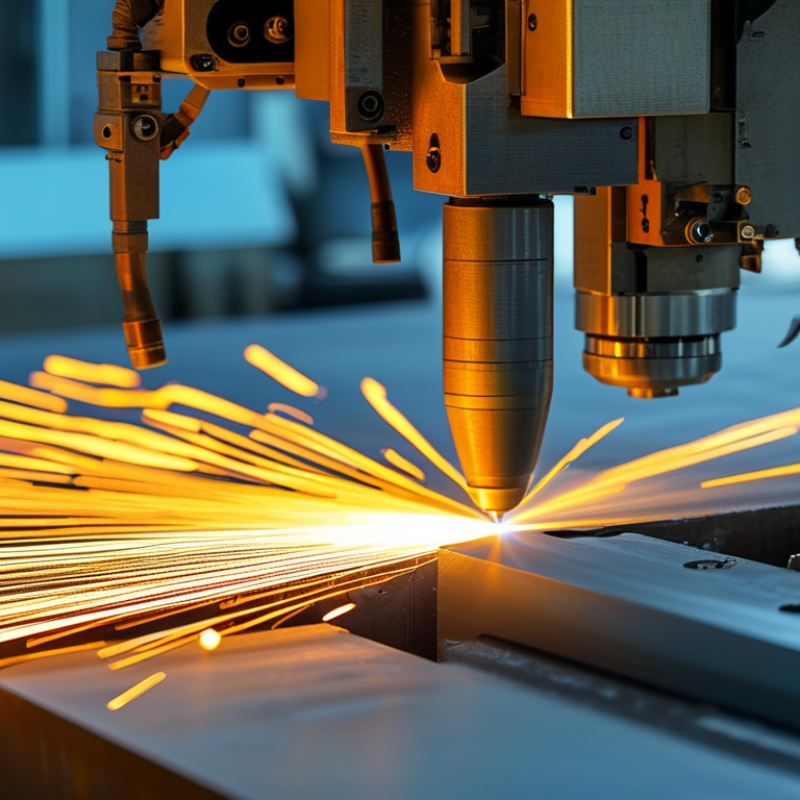
In 2026, laser sheet cutting technology is evolving rapidly. This year, advancements focus on precision and speed. Companies are seeking machines that enhance productivity and reduce operational costs. The market demands versatile solutions that can handle various materials. These solutions are indispensable for sectors like automotive, aerospace, and furniture manufacturing.
Modern laser cutting machines now incorporate artificial intelligence. This feature optimizes cutting paths and reduces waste. Users have reported improved efficiency by at least 20%. However, these innovations also come with challenges. Some operators find it complex to master the new software systems. Continuous training and support will be necessary to navigate this landscape effectively.
Maintaining high-quality output is crucial. Companies must ensure regular maintenance of their machines to avoid downtimes. A machine operating below its potential can lead to increased costs. It's essential to reflect on how technology impacts human skills and craftsmanship. Balancing automated solutions with skilled labor is vital for sustainable growth in the industry.
Key Features to Consider When Selecting a Laser Sheet Cutting Machine
When selecting a laser sheet cutting machine, several key features are crucial. Power output is vital. Higher wattage results in faster cutting speeds and cleaner edges. Data indicates that machines with above 2000 watts can enhance productivity by up to 30%.
Precision is another essential factor. The accuracy of cuts can significantly impact the overall quality. Machines offering a tolerance level of ±0.01 mm are recommended for industries requiring high precision, such as aerospace and medical sectors. The ability to handle various materials, including stainless steel and aluminum, is also important. Over 60% of manufacturing professionals prioritize versatility in their operations.
Software compatibility should not be overlooked. User-friendly interfaces allow for efficient design integration. This can lead to a reduction in setup time by approximately 25%. Additionally, consider the ongoing support from suppliers. Access to parts and technical assistance can greatly affect long-term productivity. Machines that are difficult to maintain can lead to costly downtime. A careful evaluation of these features will lead to better purchasing decisions.
Top Brands and Manufacturers of Laser Sheet Cutting Machines Globally
In the global market, laser sheet cutting machines are gaining traction among manufacturers. A recent industry report shows that the demand for these machines has increased by approximately 12% over the last year. This rise is driven by advancements in technology and the need for precision in cutting applications.
Many brands are emerging as leaders in this space. Factors such as efficiency, quality, and user-friendliness are critical for buyers. Data indicates that companies regularly report challenges with machine maintenance and support. These issues can significantly affect productivity if left unaddressed. Some manufacturers are working to improve customer service, but there is still a gap in providing adequate training for users.
Globally, manufacturers must focus on innovation and reliability. Users seek machines that offer longevity and can handle diverse materials. Yet, not all solutions meet these criteria. It prompts a need for a thorough evaluation of technology before purchasing. Investing time in research ensures better alignment with specific operational needs, making the selection process more effective.
Comparative Analysis of Performance and Cost in Laser Cutting Machines
In recent years, the demand for laser cutting machines has surged globally. The 2026 market is projected to grow at a CAGR of 7.5%, according to a recent industry report. This growth reflects the technological advancements that enhance efficiency and precision in cutting materials. Cost remains a crucial factor for buyers. A detailed study shows that high-end machines can have initial costs upwards of $200,000, while mid-range models are around $80,000.
Performance varies significantly across different machines. Some models boast cutting speeds exceeding 30 meters per minute, which is pivotal in high-production environments. However, it’s essential to consider operating costs. Consumables and maintenance add to the total expense. For instance, the average annual maintenance for laser machines can reach $5,000. This is a critical factor that often goes overlooked during purchase decisions.
Moreover, not all laser cutters perform equally under varying conditions. Material type influences cutting quality and speed. For metals, nitrogen often enhances cutting edges, but at a higher gas cost. Balancing these factors is vital. Buyers must evaluate their specific needs. This evaluation process can be challenging and requires reflection. Understanding potential trade-offs can lead to better investment decisions in the long term.
Future Trends in Laser Cutting Technology and Market Demand
The future of laser cutting technology is promising and dynamic. As industries adopt more advanced solutions, the demand for efficient and precise laser sheet cutting machines will surge. With ongoing advancements, companies are focusing on creating machines that enhance productivity and reduce operational costs. These machines will likely incorporate smart technology, enabling real-time monitoring and adjustments.
Environmental concerns continue to shape market trends. More manufacturers are looking for eco-friendly options. This could lead to innovations in energy-efficient laser systems. However, challenges persist, especially concerning high initial costs and the need for skilled operators. There’s a risk of technology outpacing workforce capabilities. Companies must invest in training to fully utilize these advanced machines.
Additionally, the flexibility of laser machines is a significant consideration. As custom designs gain popularity, laser cutting offers versatile solutions. However, some users report issues with software compatibility and machine maintenance. These factors often lead to operational delays and increased downtime. Addressing these concerns will be crucial for future market growth.

