2026 Best Industrial Products for Global Buyers?
In the rapidly evolving arena of Industrial Products, understanding buyer needs is crucial. Leading expert Dr. Mark Thompson, a renowned figure in the Industrial P sector, emphasizes, “Innovative solutions must focus on sustainability and efficiency.” His insight underscores a significant trend among global buyers.
Today, costs and performance drive decision-making. Buyers seek products that not only enhance productivity but also minimize environmental impact. However, the vast array of options can be overwhelming. Mistakes can lead to financial loss. Industrial P experts suggest that careful evaluation is essential before making choices.
The landscape is changing, and adaptability is necessary. Companies that understand market dynamics will outperform their rivals. Many buyers still rely on outdated metrics for selection, missing out on critical innovations. Embracing a future-oriented mindset is vital for success in the Industrial P industry. This journey requires not just products, but a partnership approach to achieve long-term goals.
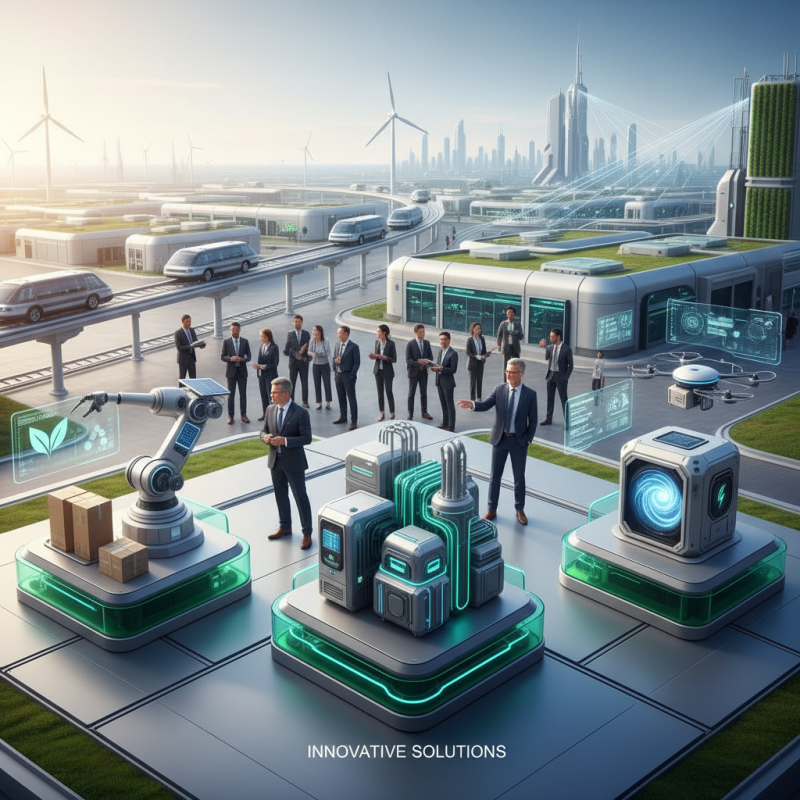
Overview of Industrial Products Trends for 2026
As we approach 2026, the landscape of industrial products is shifting rapidly. Sustainability emerges as a key trend. Companies are prioritizing eco-friendly materials to meet global demands. This movement is not just about compliance; it reflects a shift in consumer expectations. Buyers look for efficient manufacturing processes that minimize waste. They seek products that blend functionality with responsible practices.
Digital transformation also plays a significant role. Automation technologies are becoming prevalent in factories. Robotics and AI streamline operations, improving productivity. However, the integration of these technologies can present challenges. Many companies grapple with the skills gap. Employees need training to adapt to these innovations, and this process can be slow. The balance between technology and human skill remains crucial.
Another important trend is the customization of industrial products. Buyers desire personalized solutions tailored to their specific needs. This demand drives manufacturers to adopt more flexible production techniques. Nevertheless, achieving this balance between customization and efficiency poses obstacles. Companies must invest in new systems while managing costs. This evolving landscape will require continual adaptation and reflection from industry leaders.
Key Features and Innovations in Top Industrial Products
In 2026, the industrial landscape is evolving. Key features in top products reflect innovation and user needs. Smart technology integration is leading the charge. Many products now include IoT capabilities. This allows real-time monitoring and data analysis. Consistent performance is no longer just an option; it's expected.
Sustainability has gained momentum. Eco-friendly materials are becoming standard in design. Companies focus on reducing waste throughout production. Advanced automation plays a significant role. This not only boosts efficiency but also raises concerns about job displacement. Despite the benefits, the reliance on technology demands careful consideration.
User feedback is paramount in shaping future innovations. Many products still fall short in ease of use. Some features are complex and require extensive training. Addressing these issues will be crucial for manufacturers. Ensuring that users can fully leverage these advancements is essential for success. Balancing innovation with practicality will ultimately determine the best products for global buyers.
Criteria for Evaluating Industrial Products in Global Markets
When evaluating industrial products in global markets, several criteria stand out. Quality is paramount. Products must meet international standards. This ensures durability and reliability. Buyers benefit from strong warranties and customer support.
Another vital factor is innovation. Cutting-edge technology often leads to increased efficiency. Buyers seek products that streamline operations. User-friendly designs can also enhance productivity. Practical usability is essential for workers on the ground.
Cost-effectiveness is crucial. However, low price shouldn’t compromise quality. A balance of affordability and durability is desired. It’s important to reflect on past purchases. Did they meet expectations? Were they worth the investment? These reflections help shape future buying decisions. In a competitive market, thoughtful evaluations lead to better choices.
Top Industrial Product Categories for Global Buyers in 2026
In 2026, global buyers will face a dynamic market filled with innovative industrial products. According to a recent report from the International Federation of Robotics, the demand for automation equipment is projected to rise by 15% annually. This trend highlights the importance of smart manufacturing solutions. Industrial robots are setting new standards for efficiency and accuracy in production lines.
Another vital category is sustainable materials. The World Economic Forum indicates that over 50% of industries are shifting towards eco-friendly products. This shift is driven by consumer demands and regulatory pressures. Buyers will need to prioritize sourcing materials that minimize environmental impact. Options like biodegradable plastics and recycled metals are becoming essential.
Furthermore, digital transformation tools are also on the rise. Research shows that 70% of companies are investing in data analytics and IoT technologies. These tools enhance decision-making and operational efficiency. However, not every organization is prepared to leverage these advancements. Many face challenges in integration and data management, which can hinder their progress. Addressing these issues will be vital for success in the evolving industrial sector.
2026 Best Industrial Products for Global Buyers
| Product Category | Description | Estimated Market Size (Billion USD) | Forecast Growth Rate (%) |
| Automation Equipment | Tools and machinery for automated manufacturing processes | 25.0 | 8.5 |
| Industrial Robotics | Robots used for manufacturing, welding, and assembly tasks | 22.5 | 10.2 |
| Material Handling Equipment | Equipment for moving and storing materials | 30.5 | 6.1 |
| Industrial Chemicals | Chemicals used in manufacturing and industrial processes | 35.0 | 5.0 |
| Industrial Safety Equipment | Protective gear and safety devices for workers | 15.0 | 7.5 |
Emerging Technologies Shaping the Future of Industrial Products
Emerging technologies are revolutionizing industrial products. These innovations shape efficiency, sustainability, and productivity across various sectors. They also alter how businesses operate globally.
Artificial intelligence (AI) is a key player in this transformation. It enhances decision-making through predictive analytics. This saves time and resources but raises questions of reliability. Are we depending too much on machine-led insights?
Another significant technology is the Internet of Things (IoT). IoT connects devices and systems, streamlining operations. Companies can monitor equipment in real-time. However, security risks accompany this connectivity. Can businesses ensure data protection against breaches? As technologies advance, these challenges demand thoughtful solutions.

