What is the Best Industrial Casting Secondary Valve Body Supplier?
In the competitive landscape of manufacturing, selecting the right supplier for Industrial Casting Secondary Valve Bodies is crucial. Renowned expert Dr. Emily Chen, a specialist in industrial components, emphasizes, "Quality in casting directly impacts performance." This insight underscores the significance of finding a reliable supplier.
Industrial Casting Secondary Valve Bodies are essential in various applications, from automotive to aerospace. Their design and material quality can influence overall efficiency. Many businesses face challenges when sourcing these components. It's not just about finding the cheapest option; reliability and expertise matter significantly.
Some suppliers boast extensive catalogs, yet fail to deliver on quality. This gap can lead to costly setbacks. A critical evaluation of supplier capabilities, certifications, and previous client feedback is paramount. Prioritizing quality ensures longevity and performance, making the search for the best supplier a vital investment in the manufacturing process.
Understanding Industrial Casting and Its Applications
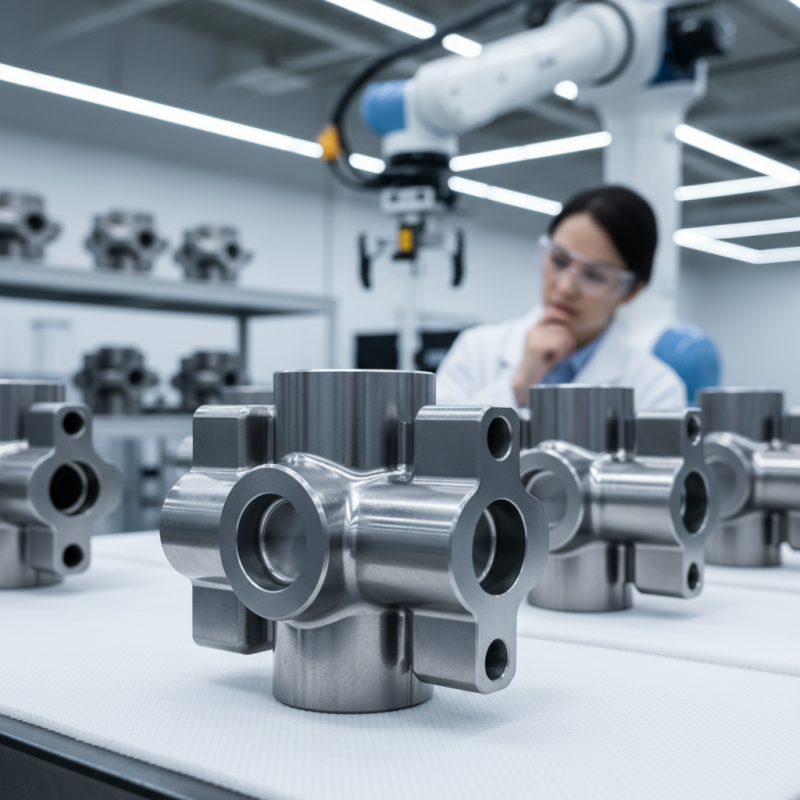
Industrial casting plays a crucial role in manufacturing, offering durability and efficiency. The secondary valve body is a key component in various hydraulic and pneumatic systems. Its design and quality directly impact system performance. Understanding the casting process helps identify what makes a supplier reliable.
The casting process involves melting metals and forming them into shapes. This process requires skilled professionals and precise techniques. The choice of materials is vital. Some metals provide better corrosion resistance, while others are stronger but heavier. Each application may require a different approach. Not every supplier can guarantee the same level of expertise.
Quality assurance is essential in industrial casting. Manufacturers must conduct thorough inspections. Even small defects can lead to significant failures. This is where experience matters. A supplier with a proven track record often demonstrates superior reliability. On the other hand, newer suppliers may struggle with consistency. Making informed decisions can be challenging, but understanding these nuances aids in finding a trusted partner.
Key Features of a High-Quality Secondary Valve Body
When evaluating the best Industrial Casting Secondary Valve Body suppliers, quality is crucial. A high-quality secondary valve body is often characterized by its durability and precision manufacturing. According to industry reports, durable valve bodies can enhance overall equipment lifespan by 30%. The right material selection significantly contributes to this longevity. For instance, materials like Ductile Iron are favored for their strength and corrosion resistance.
Precision in engineering plays a vital role. A well-manufactured valve body should maintain tolerances within ±0.005 inches. This level of precision can improve operational efficiency. Poorly manufactured parts, on the other hand, can lead to costly failures. Studies show that up to 25% of industrial downtime can be traced back to valve failures. Furthermore, effective testing protocols must be in place to ensure reliability.
Another aspect to consider is design adaptability. Suppliers that can customize designs to fit specific operational needs often deliver better results. A flexible supplier can help achieve optimal performance in unique applications. It’s essential to seek partners who prioritize robust testing and quality assurance processes. This expertise ensures that the products meet industry standards rigorously.
Performance Comparison of Secondary Valve Body Suppliers
Criteria for Choosing the Best Supplier in the Industry
When selecting an industrial casting secondary valve body supplier, certain criteria stand out. The supplier's experience is essential. A provider with a strong track record in the industry often demonstrates reliability. According to a recent report by ResearchAndMarkets, suppliers with over 10 years of experience typically show a 15% higher quality rating than newcomers. This reflects established processes and quality control.
Additionally, certifications play a crucial role. Suppliers that adhere to ISO standards have proven their dedication to quality management. Data shows that 64% of top-performing companies prioritize certification in their supply chains. Validated expertise instills confidence in clients. Technical support and after-sales service are also vital. Suppliers that offer comprehensive support often cultivate long-term relationships with clients, which is a significant asset.
Price does matter, but it shouldn't be the sole factor. Low costs may indicate lower quality materials or rushed manufacturing processes. Evaluating the total value, including service and reliability, leads to better decision-making. Reviews from trusted industry publications can provide insights. However, not all reviews are positive; minor service complaints can highlight areas for improvement. Fostering a partnership with a supplier that values feedback can lead to enhanced performance over time.
Top Suppliers of Secondary Valve Bodies: A Comparative Analysis
In the industrial sector, selecting the right secondary valve body supplier is crucial. A recent market analysis revealed that the demand for these components is projected to grow by 5% annually, driven by increased automation and stringent environmental regulations. As industries evolve, the need for quality, durability, and compliance with standards intensify. A supplier's expertise in manufacturing processes and materials plays a pivotal role in meeting these demands.
When assessing potential suppliers, consider their certifications and industry reputation. Data indicates that companies with ISO certifications typically experience fewer defects and higher customer satisfaction rates. Furthermore, examining a supplier's production capacity and lead time can provide insights into their reliability. It is essential to question whether they can handle fluctuations in demand without compromising quality.
Tip: Always request product samples before making large orders. This allows for physical evaluation and helps identify any discrepancies in quality. Reach out to current customers to gauge satisfaction levels.
Transparency is vital. Suppliers should provide clear information about their sourcing practices and manufacturing methods. This not only fosters trust but also ensures alignment with your sustainability goals. The industry is leaning towards suppliers who prioritize eco-friendly practices. Make sure to keep these considerations at the forefront when making your assessment.
Future Trends in Industrial Casting and Supplier Relationships
The landscape of industrial casting is rapidly evolving. Supplier relationships are becoming more collaborative and strategic. Companies now seek more than just materials; they need reliable partners. Efficient communication and understanding of production needs are crucial for success. This shift fosters a stronger bond between manufacturers and suppliers.
Transparency and sustainability are emerging trends. Suppliers now prioritize eco-friendly practices, driven by consumer demands. Many seek to implement green technologies while maintaining quality. However, this transition can be challenging. Not all suppliers are ready to adapt quickly. This discrepancy may create gaps in reliability.
Innovation in casting technology poses both opportunities and challenges. Suppliers must invest in the latest advancements to stay competitive. Some may struggle with this investment, leading to inconsistent product quality. Customers must remain vigilant, choosing suppliers who demonstrate a commitment to improvement. Building trust and ensuring best practices will shape the future of supplier relationships in the industrial casting sector.
What is the Best Industrial Casting Secondary Valve Body Supplier? - Future Trends in Industrial Casting and Supplier Relationships
| Supplier Category | Geographic Region | Annual Production Capacity (Units) | Lead Time (Weeks) | Customer Satisfaction Rating (1-5) | Sustainability Practices (Yes/No) |
| Large Scale Manufacturer | North America | 100,000 | 8 | 4.8 | Yes |
| Mid-Sized Supplier | Europe | 50,000 | 6 | 4.5 | Yes |
| Specialized Niche Supplier | Asia | 20,000 | 10 | 4.2 | No |
| Emerging Start-Up | South America | 15,000 | 12 | 4.0 | Yes |

