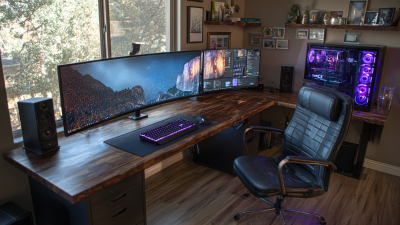
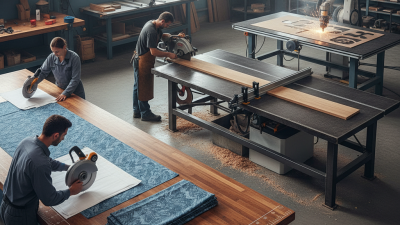
Best Cutting Table Options for 2026 What to Consider?

As we look toward 2026, choosing the right cutting table becomes crucial for both professionals and hobbyists. The global furniture market, which includes cutting tables, is projected to grow significantly. According to a recent report from the International Furniture Association, the demand for innovative cutting tables has surged by 30% since 2020. This highlights the need for functional solutions in various fields, from fashion design to carpentry.

Expert Jane Thompson, a leading voice in the cutting table industry, emphasizes, “The right cutting table can transform your workspace, enhancing efficiency and creativity.” Her insight underscores the importance of selecting a table that meets specific needs. Factors like size, material, and surface type are essential considerations. A cutting table must allow for comfortable use and precise measurement, unfortunately, many overlook the impact of ergonomics.

Investing in a quality cutting table can prevent future dissatisfaction. Many users find themselves with products that don’t meet their expectations. Understanding personal needs and usage will lead to better choices. A well-thought-out cutting table can save time and improve outcomes, making it a vital element in any workspace. While the options are vast, the journey to finding the perfect cutting table is often not straightforward.
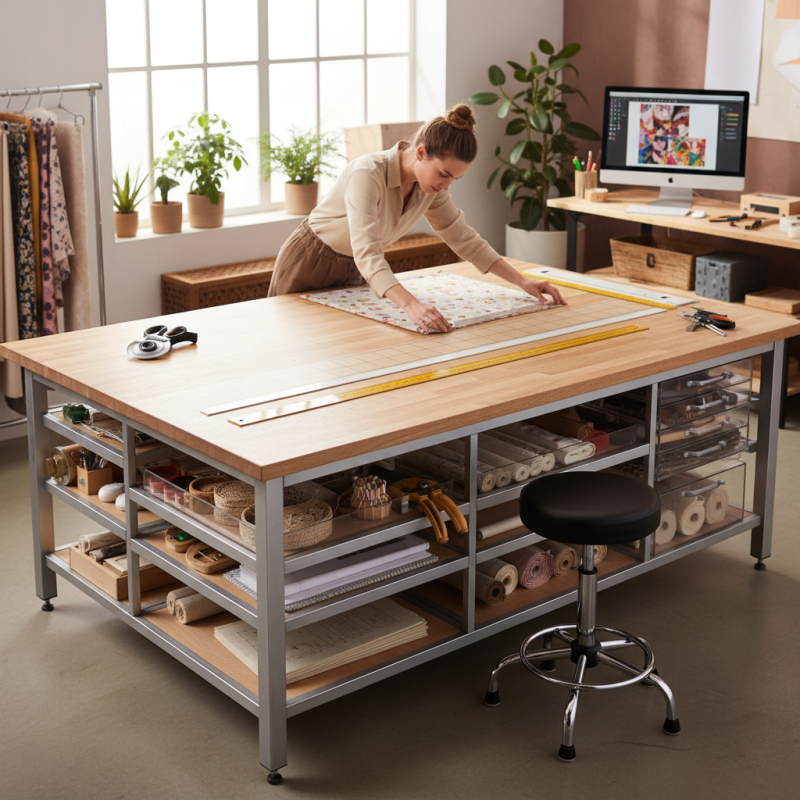
Best Cutting Table Options for 2026 What to Consider?

Factors to Evaluate When Choosing a Cutting Table for Your Workspace

When selecting a cutting table for your workspace, several factors are essential. Size is crucial. A large table provides ample space for materials. However, if your workspace is small, you may need to compromise. Consider the height as well. An uncomfortable height can lead to strain during long hours of work. Adjustable tables are worth exploring for their versatility.

Material is another key aspect. A sturdy surface that can withstand cutting tools is vital. Wood, steel, and composite materials each have advantages and drawbacks. Wood can be prone to scratches, while metal might be too cold for some. Finally, think about storage options. A table with built-in shelves can save space and keep your tools organized. This can help minimize clutter, but it may add cost.

Additionally, lighting shouldn’t be overlooked. A well-lit area enhances visibility when cutting. Poor lighting may lead to mistakes, impacting your projects. Lastly, think about how the table fits into your workflow. It should facilitate your process, not hinder it. Finding the right balance can be challenging, and mistakes in choosing the right features may lead to regret later.

Best Cutting Table Options for 2026

This chart represents the key factors to consider when choosing a cutting table for your workspace. The evaluation includes price, size, material quality, adjustability, and weight capacity, providing a clear overview of important attributes for prospective buyers.

Material Options for Cutting Tables: Pros and Cons Explained

Best Cutting Table Options for 2026 What to Consider?

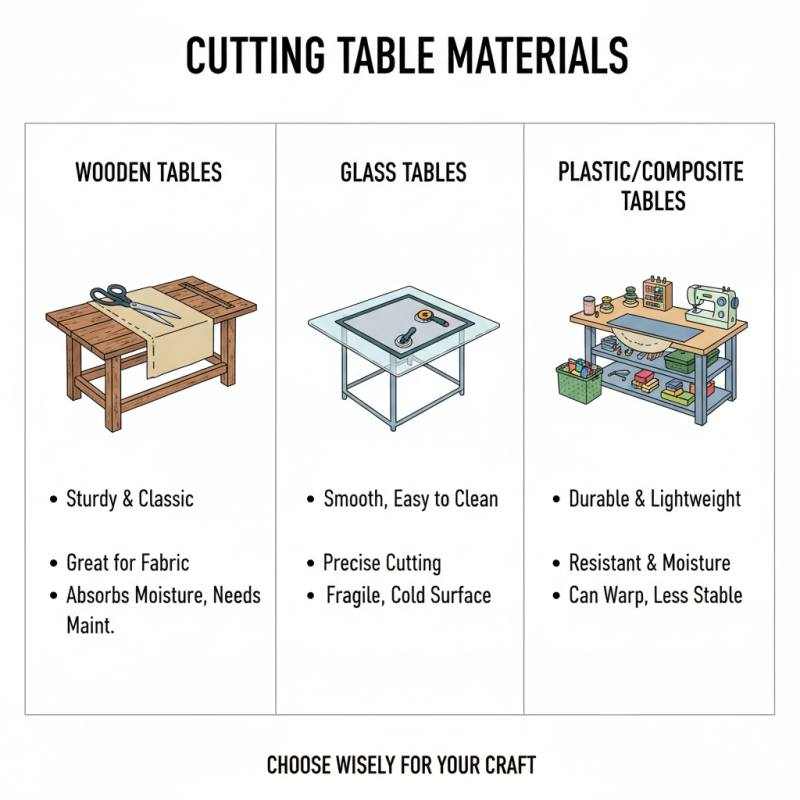
When choosing a cutting table, material is key. Different materials offer unique advantages and drawbacks. Wooden tables are sturdy and provide a classic look. They are great for cutting fabrics but can absorb moisture. Regular maintenance is needed to keep them in good shape.

Metal cutting tables are durable and often lightweight. They are resistant to scratches and water. However, they can get really hot, making them uncomfortable to work on. Consider how you use the table daily and the impact of heat.

Tips: Look for surfaces that are easy to clean. This reduces mess and keeps your workspace tidy. Pay attention to the height of the table. It should be comfortable for you to stand and work for long periods. Ergonomics matter.

Plastic tables are budget-friendly options. They resist stains and are generally light. However, they may warp over time. Assess your cutting habits and the materials you use. Reflect on what suits your needs best. The right choice can enhance your project efficiency.

Size and Dimensions: Finding the Right Fit for Your Needs

When selecting a cutting table for your workspace in 2026, size and dimensions are crucial. According to the American Association of Textile Professionals, 45% of designers reported that inadequate workspace affects their productivity. Thus, the perfect size can significantly enhance efficiency. Consider measuring your room first. Ideal tables should provide ample surface area without overwhelming your space.

Tables typically range from 30 to 72 inches in width. This size accommodates various projects, from sewing to crafting. However, individual needs differ. If you work primarily with large materials, a wider table might be necessary. Conversely, if space is tight, a compact design could suffice. Research suggests that a height of 36 inches is comfortable for most users, but adjusting features can be overlooked.

Think about layout too. Open floor plans may benefit from larger tables for collaborative work. Yet, smaller areas may need portable tables to adapt to changing environments. Some users feel constrained by standard sizes, leading to frustration. Reflect on what you truly require. Balance your workspace needs with the realism of your area. An informed choice can lead to greater satisfaction and creativity.

Ergonomics: How to Ensure Comfort and Efficiency at Your Cutting Station

Creating an ergonomic cutting station is essential for comfort and efficiency. A well-designed table can greatly impact your productivity. Height adjustment is a key feature. It allows users to customize the workspace according to their needs. This not only reduces strain but also supports better posture during long hours of work.

Choosing a cutting table with adequate surface area is important. A larger workspace can help you keep tools organized. This minimizes clutter, making it easier to focus on the task. Consider using padded mats to stand on. They provide relief for your feet and back. Sometimes, I notice fatigue creeping in after long sessions. A simple mat can be a game-changer.

Lighting should not be overlooked. Proper illumination allows for detailed work without straining your eyes. Task lighting can be adjusted according to different projects. Having everything well-lit improves your focus and accuracy. If you work in a dim area, you may find yourself making more mistakes. Reflect on how your environment impacts your workflow. Small changes can lead to significant improvements in comfort and efficiency.

Best Cutting Table Options for 2026 - What to Consider?

Feature Description Ergonomics Price Range
Height Adjustment Tables with adjustable heights to accommodate different users. Promotes comfortable working posture and reduces strain. $200 - $600
Surface Material Wide variety of materials such as wood, steel, or composite. Durable surfaces can withstand heavy use, enhancing work efficiency. $150 - $500
Storage Options Integrated shelves and drawers for tools and materials. Keeps workspace organized, reducing time spent searching for tools. $120 - $400
Weight Capacity Maximum weight limit for the tabletop to ensure stability. Sturdy tables can handle heavier materials, minimizing wobble. $180 - $550
Portability Foldable or wheeled designs for easy moving. Allows for flexible workspace setups without strain. $100 - $300

Additional Features to Consider for Enhanced Functionality and Versatility

Best Cutting Table Options for 2026 What to Consider?

When selecting a cutting table, extra features enhance its functionality. Look for adjustable heights. This allows you to customize the table for comfort. A table that accommodates standing or sitting can help reduce fatigue during long projects.

Storage options can make a significant difference, too. Drawers or shelves can keep your workspace tidy. Consider a design that provides easy access to tools and materials. Clutter can hinder creativity. A well-organized table not only improves efficiency but also gives a sense of calm.

Incorporate wheels for mobility. A portable cutting table can adapt to various spaces. This flexibility allows you to use the table in different locations as needed. However, ensure the locking mechanism is robust. Nobody wants a table that rolls unexpectedly during use.

Think about a self-healing cutting mat. It protects surfaces and extends the life of your table. This small detail offers big benefits, especially for frequent use. Always reflect on your specific needs. Not every feature will suit everyone. Prioritize what will work best for your projects.