2026 Best CNC Cutting Solutions for Global Buyers?
In the ever-evolving world of manufacturing, finding the right CNC cutting solutions is crucial. Experts like Dr. Lisa Chen, a leading authority in CNC technology, emphasize the importance of precision. She once said, “The right CNC cutting solution can redefine the boundaries of design and functionality.” Global buyers today are faced with a plethora of options. These choices can be overwhelming.
CNC cutting technology has advanced significantly, offering more efficiency and accuracy than ever before. However, the variety in machines and configurations can lead to confusion. Many companies are still struggling to select the best solution for their specific needs. It's essential to explore the different aspects of CNC cutting, including cost, quality, and reliability. Not every solution will fit every requirement.
While innovation drives the industry, not all advancements are perfect. There are still challenges to overcome, such as integrating new technologies with existing systems. Global buyers must navigate these hurdles with careful consideration. Understanding the strengths and limitations of various CNC cutting tools is vital. The right choice could lead to improved productivity and ultimately, success in their projects.
Understanding CNC Cutting Technologies for 2026 Global Market
The CNC cutting market is rapidly evolving, driven by technological advancements and increasing demand. In 2026, global buyers can expect enhanced options in CNC cutting technologies. According to a recent report by MarketsandMarkets, the global CNC machine market is projected to reach $100 billion by 2026, indicating substantial growth. This demand is largely fueled by industries such as automotive, aerospace, and manufacturing.
Understanding various CNC cutting technologies is essential for buyers. Laser cutting, for instance, continues to gain popularity due to its precision and efficiency. Reports show that laser cutting contributes to about 35% of the total CNC cutting market. It allows for faster production times and lower operational costs, yet it requires careful handling to avoid issues like material distortion.
Furthermore, plasma cutting technology is also on the rise, expected to capture 20% of the market share. Despite the advancements, challenges remain. Many users face difficulties in transitioning to newer technologies, often due to high initial costs and lack of training. Furthermore, not all companies provide support for integration into existing systems. This inconsistency can lead to inefficiencies and hinder overall productivity.
Buyers must consider these factors when exploring CNC cutting solutions in 2026.
Comparative Analysis of Leading CNC Cutting Machines Available in 2026
The CNC cutting machine market is evolving rapidly, with advanced solutions emerging for global buyers in 2026. According to the latest industry report, the global CNC machinery market is projected to reach approximately $100 billion by 2026, driven by automation trends and customization needs across various sectors. The demand for precision and speed continues to shape design and manufacturing.
Leading technologies in CNC cutting focus on improved efficiency. Laser cutting, for example, can achieve tolerances within a few microns. Plasma cutting remains a cost-effective solution for thick materials, but it may lack the precision of laser options. Waterjet cutting provides versatility without the heat that alters metal properties, yet setup costs can be significant. Each technology has its advantages and downsides, making it vital for buyers to evaluate specific applications carefully.
Training and maintenance pose additional challenges for CNC users. Many operators need ongoing education to maximize machine capabilities. Some facilities struggle with aligning workforce skills with cutting-edge technology. This gap in expertise can lead to underutilization, impacting productivity. It's essential that buyers look beyond just purchasing machines; they must also consider the training and support needed for effective operation.
2026 Best CNC Cutting Solutions - Comparative Analysis
Key Features to Look for in a CNC Cutting Solution
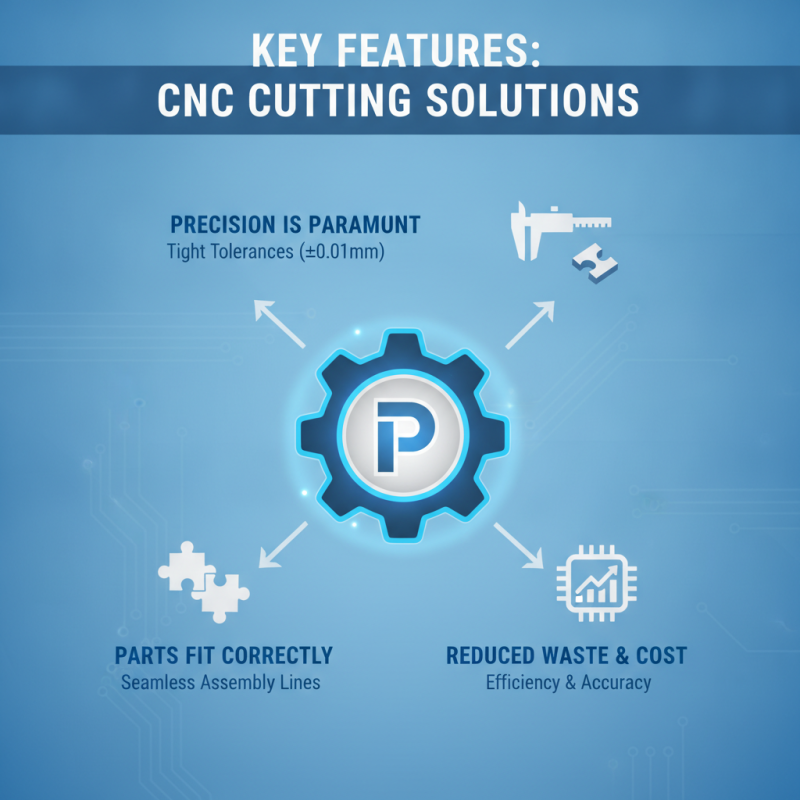
When selecting a CNC cutting solution, there are several key features to consider. Precision is paramount. A cutting solution must achieve tight tolerances, often within ±0.01 mm, as reported by industry sources. High precision ensures that parts fit correctly on assembly lines.
Another important feature is versatility. Many modern CNC machines can cut various materials, like metals, plastics, and composites. This adaptability allows businesses to respond swiftly to market changes. Data from market research indicates that companies using versatile CNC machines report a productivity increase of up to 30%.
Additionally, ease of use plays a crucial role. User-friendly interfaces can reduce setup time and errors. A reliable CNC solution should have clear documentation and customer support. Operators need to feel confident in their machinery. However, not all solutions meet these standards, leading to bottlenecks and inefficiencies. Investing in comprehensive training for operators is often overlooked, yet it's vital for maximizing the potential of new technologies.
Top Supplier Recommendations for CNC Cutting Equipment in 2026
In 2026, the demand for CNC cutting equipment continues to surge as industries seek precision and efficiency. According to a recent report, the global CNC cutting machine market is projected to grow at a CAGR of over 7% between 2022 and 2027. This growth reflects a clear trend: manufacturers are investing in advanced technology to stay competitive.
Leading suppliers are focusing on innovative designs and enhanced capabilities. They offer equipment that can handle various materials, such as metal, wood, and plastics. Buyers often prioritize energy-efficient and high-speed machines. However, not all suppliers meet these high standards consistently. Many lack the necessary support and training for their customers. It's crucial for buyers to vet potential suppliers thoroughly.
Additionally, integration with Industry 4.0 technologies is becoming essential. Machines that offer automation and data integration can significantly improve productivity. Yet, many companies face challenges in adapting to these technologies. Understanding the available options and potential shortcomings can help buyers make informed decisions. Investing in CNC cutting equipment requires careful consideration of supplier reliability and technological advancements.
2026 Best CNC Cutting Solutions for Global Buyers
| Model |
Cutting Technology |
Max Cutting Size (mm) |
Spindle Power (kW) |
Precision (mm) |
Price Range (USD) |
| CNC-XYZ 2026 |
Laser Cutting |
1500 x 3000 |
6 |
0.1 |
$25,000 - $30,000 |
| CNC-ABC Pro |
Plasma Cutting |
2000 x 4000 |
10 |
0.5 |
$15,000 - $20,000 |
| CNC-TRI Cutting |
Water Jet Cutting |
3000 x 6000 |
8 |
0.2 |
$40,000 - $50,000 |
| CNC-DEF Series |
Oxy-Fuel Cutting |
2500 x 5000 |
12 |
0.3 |
$18,000 - $22,000 |
Emerging Trends in CNC Cutting Solutions and Their Market Impact
The landscape of CNC cutting solutions is evolving rapidly. Emerging technologies are significantly reshaping how industries approach precision cutting. Automation and machine learning integration are notable trends. These innovations promise increased efficiency and reduced waste, attracting attention from multiple sectors.
However, the rise of these technologies does pose challenges. Not every manufacturer can adopt cutting-edge systems. The cost of upgrading or transitioning to advanced solutions can be prohibitive. Smaller companies might find it difficult to compete in this fast-changing environment. While automation can streamline operations, it may also lead to job displacement.
Adapting to these trends requires a comprehensive understanding of the market impact. Companies need to assess their readiness for such changes. Training and reskilling of the workforce become essential. The balance between technology and human input is critical for sustained success. Addressing these complexities ensures businesses can leverage CNC advancements without neglecting their core values.