Top 10 Best Camping Sleeping Bags for Warmth and Comfort?
A good camping sleeping bag can make or break your outdoor adventure. Camping expert Sarah Dawson often says, “The right sleeping bag is essential for a good night’s sleep in nature.” When temperatures drop, staying warm and comfortable becomes a priority. The choice of a sleeping bag can significantly affect your rest and overall experience.
Many campers, however, overlook the importance of insulation and weight. They may choose a bag based solely on price or color. This can lead to sleepless nights, which detracts from the joy of camping. A great camping sleeping bag should balance warmth and weight to suit your specific needs.
In our exploration of the market, we’ve gathered insight into the top ten sleeping bags that excel in both comfort and warmth. Each has unique features tailored to different camping conditions. These details will help ensure that your next camping trip is not just enjoyable, but restful as well. Remember, a good night’s sleep is vital, especially in the cold wilderness.
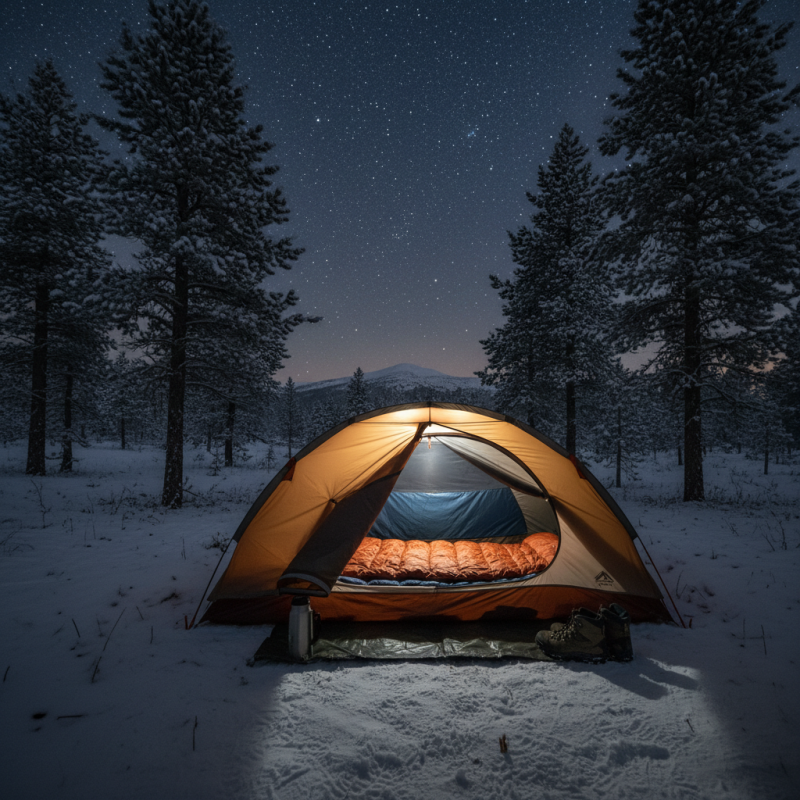
Essential Features of Camping Sleeping Bags for Comfort
When selecting a camping sleeping bag, comfort is crucial. One key feature is insulation. Look for materials that trap heat. Synthetic insulation works well in wet conditions. Down insulation is light and compressible but needs special care.
The bag's shape also matters. Mummy-shaped bags provide warmth but may feel restrictive. Rectangular bags offer more space but can lead to heat loss. Choosing the right shape can affect your sleep quality.
Tips: Always check temperature ratings. A bag rated lower than your expected conditions keeps you warm. Remember to choose a 3-season bag for versatility. Lastly, consider the fabric. A soft-touch lining adds to your comfort but ensure it lasts through many trips.
Types of Insulation Materials Used in Sleeping Bags
Choosing the right insulation material is crucial for a camping sleeping bag. Insulation keeps you warm. There are mainly two types: down and synthetic. Down insulation comes from goose or duck feathers. It is lightweight and compresses well. Many outdoor enthusiasts prefer it for its superior warmth-to-weight ratio.
However, down can lose its insulating properties when wet. This can be a significant downside on rainy camping trips. On the other hand, synthetic insulation is made from polyester fibers. It tends to insulate well, even when wet. This can be a lifesaver in unpredictable weather conditions. Furthermore, synthetic materials often provide better durability, as they are resistant to compression over time.
Another consideration is the fill power of down. Higher fill power means better quality and insulation efficiency. A fill power of 600-800 is generally good for most camping needs. Yet, a higher number often leads to higher cost. It's essential to balance warmth, weight, and budget. Ultimately, the best choice varies for each camper. Adjustments to personal preferences play a significant role in selecting the ideal sleeping bag.
Ideal Temperature Ratings for Different Camping Conditions
When it comes to camping, choosing the right sleeping bag is essential for comfort and warmth. The temperature ratings of sleeping bags indicate how well they can keep you cozy in various conditions. A sleeping bag rated for 20°F is ideal for chilly nights in the mountains. On the other hand, if you're camping in warmer weather, a 40°F bag is often sufficient.
Understanding your camping environment is crucial. If you're heading to a location with unpredictable weather, consider a three-season sleeping bag. These bags usually keep you warm during spring, summer, and fall. However, they might not withstand freezing temperatures. It's important to assess your comfort needs and the weather forecast before making a decision.
Quality sleeping bags should offer features like insulation and lining that suit your climate. Yet, some bags can feel bulky and heavy when packed. This can make hiking cumbersome. Remember, it’s a balance between warmth, weight, and comfort. Test several bags to find the right fit for your adventures. Adjusting your choices can greatly enhance your camping experience.
Top Brands Known for Quality Camping Sleeping Bags
When it comes to camping, a good sleeping bag can transform your experience. Several top brands focus on creating high-quality sleeping bags. They understand the importance of comfort and warmth. The materials used in these bags often determine how well they perform in various conditions. Different insulation types provide unique benefits for temperature regulation.
Quality brands design their sleeping bags with specific uses in mind. Some are perfect for cold weather, while others excel in milder conditions. Ventilation features are key for those warm summer nights. A bag that retains heat may not always be the best choice. Reflecting on the purpose of your camping trips can help you select the ideal option.
Weight is another crucial factor for those who hike to their sites. Lightweight bags are easier to carry but might sacrifice some comfort. You may find yourself wishing for more padding after a long day. On the other hand, bulkier bags can offer coziness at the campsite but weigh you down on the trail. Balancing these features is essential for a successful camping adventure.
Top 10 Best Camping Sleeping Bags for Warmth and Comfort
Maintenance Tips for Extending the Life of Your Sleeping Bag
Maintaining your sleeping bag is crucial. Proper care can enhance insulation and extend its lifespan. According to industry research, sleeping bags can retain warmth up to 30% longer with correct maintenance. Regular washing is essential, but many users neglect it. Accumulated dirt can clump insulation, reducing effectiveness. Aim to clean your bag at least once a season.
Storage is equally important. Avoid compressing your sleeping bag for extended periods. A study reveals that compressed bags lose loft and warmth over time. Instead, store it loosely in a cool, dry place. Remember, too much heat is detrimental. Many campers make this mistake and suffer the consequences during cold nights.
When it comes to drying your bag, it should be done carefully. High heat can damage materials. Instead, air-dry it whenever possible. This method preserves both warmth and shape. Be aware that improper care leads to higher replacement rates. A well-treated sleeping bag can last over ten years, while neglect might reduce that to two. These simple steps can prevent the frustration of a cold night.
Top 10 Best Camping Sleeping Bags for Warmth and Comfort
| Sleeping Bag Type | Temperature Rating | Weight | Material | Price |
| Mummy Sleeping Bag | -10°C to 0°C | 1.5 kg | Nylon | $80 |
| Rectangular Sleeping Bag | 0°C to 10°C | 2 kg | Cotton | $60 |
| Double Sleeping Bag | -5°C to 5°C | 3 kg | Polyester | $120 |
| Compact Backpacking Bag | -7°C to 3°C | 1 kg | Down | $200 |
| Kids Sleeping Bag | 0°C to 10°C | 1.2 kg | Synthetic | $45 |
| 3-Season Sleeping Bag | 0°C to 20°C | 1.8 kg | Hybrid | $90 |
| Ultralight Sleeping Bag | 0°C to 5°C | 800 g | Down | $150 |
| Budget Sleeping Bag | 5°C to 15°C | 2.5 kg | Polyester | $30 |
| Cocoon Sleeping Bag | -10°C to 0°C | 1.6 kg | Nylon | $110 |
| All-Weather Sleeping Bag | -10°C to 20°C | 2.2 kg | Multi-layer Insulation | $140 |

