Best 100amp ATS Solutions for Global Buyers Today?
In today's competitive market, selecting the best 100amp Ats solutions has become crucial for businesses worldwide. According to a recent industry report by Global Market Insights, the demand for automatic transfer switches is expected to grow significantly, reaching a market value of over $3 billion by 2027. Such growth highlights the importance of reliable power management systems in various sectors.
Expert John Smith, a leading authority in electrical engineering, emphasizes, "The right 100amp ATS can prevent downtime and enhance safety." His insights underscore the critical role that quality ATS solutions play in power reliability. However, many buyers still grapple with choosing the right options from numerous global suppliers.
As more companies commit to sustainable practices, many 100amp ATS products must meet strict efficiency standards. While many solutions claim to satisfy these requirements, it is essential to scrutinize their performance and reliability. Make informed choices to ensure seamless power transitions and avoid potential pitfalls. Being aware of industry trends and expert opinions is vital in this evolving landscape.
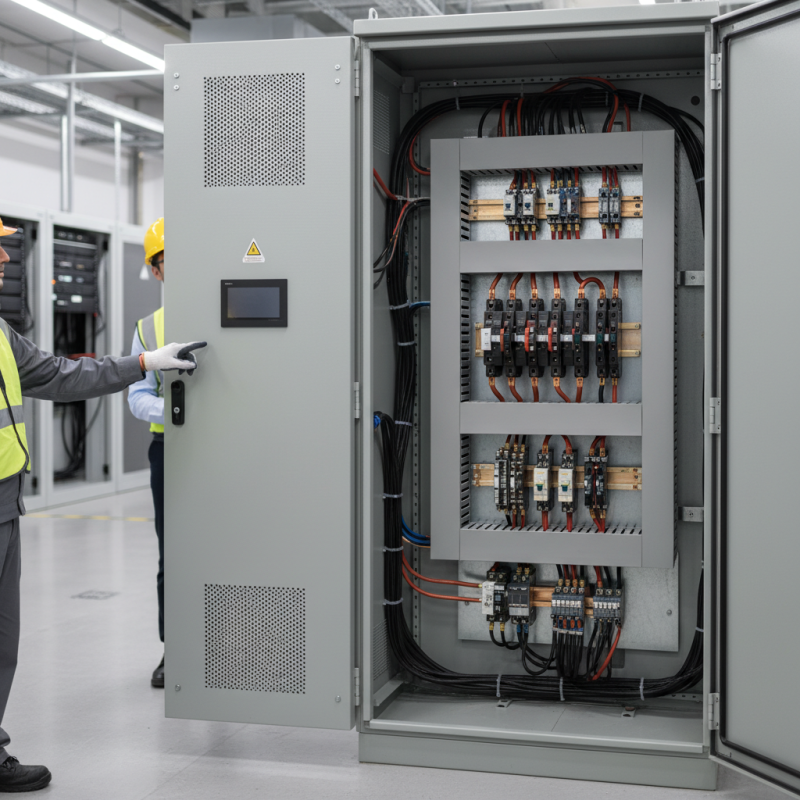
Overview of 100amp Automatic Transfer Switch (ATS) Solutions
The demand for reliable power solutions has increased significantly in recent years. A 100amp Automatic Transfer Switch (ATS) is essential for maintaining power continuity. These devices switch between primary and backup power sources seamlessly. The importance of ATS is emphasized in the latest industry reports, predicting growth in the global ATS market at a CAGR of 5% from 2023 to 2028.
In commercial and residential applications, 100amp ATS systems provide critical support. They ensure that sensitive equipment remains operational during power outages. However, the choice of ATS isn't always straightforward. Factors like installation complexity, maintenance needs, and compliance with local regulations often create challenges. Not all solutions are truly “set and forget,” and users must consider their specific requirements.
Furthermore, compatibility with existing electrical systems can vary. Some ATSs might require significant upgrading of infrastructure. According to the International Electrotechnical Commission, over 30% of ATS users report issues relating to system integration. This highlights the need for careful planning and understanding your operational context. Balancing reliability and flexibility is key in selecting the right ATS solution.
Key Features to Consider When Selecting a 100amp ATS
When selecting a 100amp Automatic Transfer Switch (ATS), key features should guide your decision. Reliability is paramount. A dependable ATS ensures smooth transitions between power sources. Look for switches with robust construction and high performance ratings. This guarantees your equipment remains safe during power outages.
Another vital aspect is monitoring capabilities. Advanced options include remote monitoring features. These alert you to unusual patterns or failures. Being informed enables timely maintenance and reduces costly downtimes. Additionally, ensure the ATS meets regulatory standards for your region. Compliance reflects safety and quality assurance.
Tips: Always assess the installation environment. Space constraints might influence your choice. Consider the ease of access for maintenance too. A compact design may offer an advantage in tighter setups. It’s essential to keep future expansion in mind. Select a model that can accommodate potential increases in load without hassle.
Top 5 Global Brands Offering 100amp ATS Solutions
When exploring 100amp ATS solutions, several brands stand out as leaders in the industry. The need for reliable and efficient automatic transfer switches (ATS) is growing due to increasing demand for backup power systems. A 2022 report indicated that the global ATS market is projected to reach over $4 billion by 2025, indicating robust growth potential.
Among the top five global brands in this sector, a notable presence includes companies specializing in advanced electrical solutions. These brands offer products with innovative features such as remote monitoring capabilities and integrated surge protection. Market data reveals that over 70% of users prioritize reliability and response time when choosing ATS systems. This emphasizes the importance of quality in product selection.
Industry analysts stress the need for a comprehensive understanding of specifications. Not all solutions meet the unique requirements of facilities. Inconsistent product performance can lead to outages during critical times. Buyers often overlook maintenance needs, which can impact long-term reliability. Thoughtful evaluations and informed choices are key to securing dependable ATS systems.
Comparative Analysis of ATS Performance in Different Markets
When evaluating ATS (Automatic Transfer Switch) solutions, a comparative analysis is crucial. Different markets exhibit varying demands and regulatory environments that influence ATS performance. In North America, for instance, flexibility and compliance with grid codes are top priorities. The demand for quick response times is significant, with many applications requiring seamless transitions between power sources.
In contrast, European markets emphasize energy efficiency and sustainability. Here, ATS systems must align with stringent carbon reduction goals. Buyers seek solutions that optimize energy use while ensuring reliability. Yet, in some regions, the availability of advanced features may be limited. This raises questions about long-term viability and performance consistency. Proper benchmarking is essential for users to make informed decisions.
Interestingly, emerging markets present unique challenges. Limited infrastructure may hinder the implementation of sophisticated ATS systems. Buyers need solutions that are not only cost-effective but also reliable under various conditions. This may lead to unexpected performance issues. Therefore, understanding specific local needs and potential limitations becomes vital for successful ATS deployment.
Comparative Analysis of 100amp ATS Performance in Different Markets
Future Trends in 100amp ATS Technology and Development
The landscape of 100amp Automatic Transfer Switch (ATS) technology is evolving rapidly. Recent reports indicate that the global ATS market is projected to grow at a CAGR of 6.5% through 2025. This growth is driven by increasing demand for reliable power solutions. Buyers are particularly interested in smart ATS systems, which integrate IoT capabilities. These systems provide real-time monitoring and remote control, enhancing operational efficiency.
One emerging trend is the integration of renewable energy sources. As the world shifts towards sustainability, ATS solutions will need to adapt. Data shows that 30% of new installations now incorporate solar and wind energy. This trend presents challenges, as ATS systems must seamlessly switch between grid power and renewables. Companies will need to invest in research and development to meet these demands.
Tip: When selecting an ATS, consider future-proofing your system. Look for features that support renewable energy integration and remote management. Not all systems currently meet this requirement.
The demand for compact and efficient designs is also on the rise. Modern facilities often face space constraints. Innovative technologies aim to reduce the footprint of ATS units without compromising performance. However, this focus on miniaturization may lead to issues with heat dissipation and load capacity. Careful evaluation is essential to prevent operational failures.
Tip: Regular maintenance and testing of your ATS are crucial. Overlooking these aspects can lead to unexpected downtime.

