Top 10 Benefits of Using Diffractive Film for Your Projects?
Diffractive Film has revolutionized various industries with its unique light manipulation properties. This innovative material is not just a trend but a significant breakthrough for projects across design, packaging, and security sectors. Its ability to create vibrant visual effects captures attention and enhances aesthetics.
Using Diffractive Film can elevate projects by providing functionality and eye-catching designs. For instance, it can create stunning holographic images that make products stand out on shelves. Moreover, its other applications include anti-counterfeiting measures, which add a layer of security. In a world where consumer trust is paramount, incorporating such features is essential.
While the benefits of Diffractive Film are evident, there are challenges to consider. The cost of production can be higher than conventional materials. Additionally, its intricate design demands precision during application. Being aware of these factors will help make informed decisions. Embracing Diffractive Film might bring outstanding results but also requires careful planning and expertise.
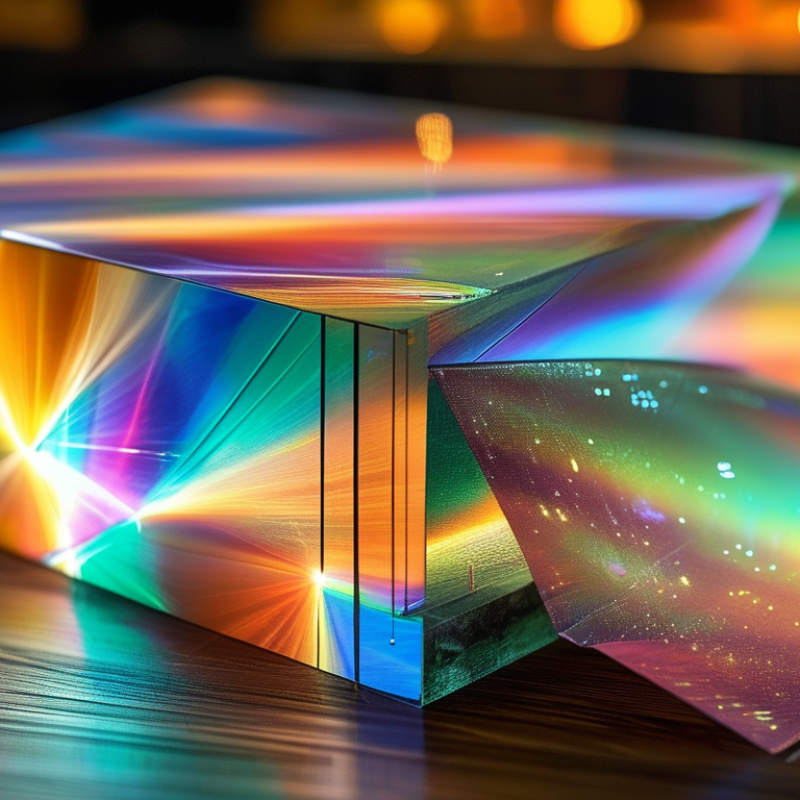
Understanding Diffractive Film and Its Applications
Diffractive film is a unique material that manipulates light to create vivid visual effects. Its applications span various industries, from packaging to automotive. With the global diffractive optics market projected to reach $5.7 billion by 2025, understanding its significance is essential.
In packaging, diffractive film offers a way to enhance product appeal. This film can produce eye-catching holographic elements. According to market research, products with innovative packaging can see a sales increase of up to 20%. In automotive applications, diffractive film contributes to safety through advanced display technologies. Systems that use this film can improve visibility in various lighting conditions, enhancing driving safety.
Despite its benefits, challenges remain. Some manufacturers struggle with production consistency. This inconsistency can affect quality and performance. Additionally, not all applications fully exploit the potential of diffractive film. It's crucial for designers to understand the full capabilities and limitations of this technology. Engaging with experts and conducting thorough research can help overcome these hurdles.
Enhanced Light Management with Diffractive Film
Diffractive film has revolutionized light management in various applications. This film utilizes microstructures to manipulate light in precise ways. According to a recent report by the Lighting Research Center, the use of diffractive films can enhance light efficiency by up to 30%. This is crucial for projects that rely on optimal lighting conditions, reducing energy consumption significantly.
The intricate designs of diffractive films allow for improved light distribution. They can minimize glare while directing light where it is needed most. Many industries, from automotive to architecture, recognize the potential of these films. The ability to fine-tune light output can lead to better user experiences and more effective designs. Moreover, integrating diffractive film can enhance the aesthetic quality of installations.
While diffractive films provide numerous benefits, some challenges remain. The manufacturing process can be complex, and achieving consistency may require additional investments. It's important for project leaders to consider these factors carefully. Balancing cost and quality is always a task worth reflecting upon. Industry experts recommend thorough testing to ensure optimal performance based on specific project needs.
Top 10 Benefits of Using Diffractive Film for Your Projects
Cost-Effectiveness of Diffractive Film in Projects
When considering project materials, diffractive film is a smart choice. This unique film not only enhances visuals but also proves to be cost-effective. Many businesses find that their expenses decrease without sacrificing quality. With high durability and low maintenance needs, diffractive film offers long-term savings. The initial investment is often outweighed by the benefits.
Additionally, diffractive film reduces the need for additional resources. It can replace complex lighting systems, cutting down on both labor and material costs. Installation is straightforward, which means projects can proceed quicker. However, not all projects may find diffractive film suitable. There are scenarios where traditional materials might be more effective.
Choosing diffractive film requires careful consideration. Weighing the pros and cons is essential. Analyze the specific needs of your project. Sometimes, experimentation with samples can reveal unexpected results. In the end, the balance between innovation and practicality leads to the best outcomes.
Versatility of Diffractive Film Across Different Industries
Diffractive film has gained popularity across various industries due to its unique characteristics. Its versatility allows it to be used in packaging, entertainment, and even in security applications. In packaging, diffractive film enhances visual appeal, making products stand out on store shelves. This can lead to increased sales, as visual stimuli attract consumers effectively.
In the entertainment industry, diffractive film creates stunning visual effects. It is used in displays and lighting solutions, captivating audiences at events and exhibitions. However, not all applications yield the desired results instantly. The quality of production matters significantly. Imperfections in the film can create unwanted visual disturbances. These challenges remind us to focus on quality control to maximize the benefits.
The security sector also benefits greatly from diffractive film. It helps in creating intricate holograms and anti-counterfeiting measures. These features are vital for safeguarding products and documents. Nevertheless, reliance on technology can sometimes lead to overconfidence. Regular testing and updates are essential to stay ahead of counterfeiters. This adaptability is key for long-term success in any industry utilizing diffractive film.
Sustainability Benefits of Using Diffractive Film
Diffractive film offers notable sustainability benefits for various projects. By effectively manipulating light, this innovative material enhances energy efficiency. It can help reduce the need for artificial lighting. Imagine using diffractive film in windows or lamps to maximize daylight utilization. This simple shift can cut energy costs significantly.
Moreover, diffractive film is often made from recyclable materials. When projects are completed, the film can be repurposed, minimizing environmental impact. Using diffractive film promotes a circular economy. It reflects a growing trend in sustainable design, aligning with modern eco-friendly practices. This approach demonstrates a responsible use of resources.
However, several challenges still exist. Not all diffractive films can maintain longevity under extreme conditions. Choices must be made carefully, considering both performance and environmental impact. The industry still faces the task of improving durability while preserving sustainability. Reflecting on these challenges is essential for continual progress in this promising field.

