Top 10 Benefits of Using a Plastic Cup Machine for Your Business?
In the ever-evolving landscape of modern business, efficiency is key. A Plastic Cup Machine can be a game-changer for many industries. This technology offers various benefits that can enhance productivity and streamline operations. With the demand for disposable plastic cups skyrocketing, having the right machinery becomes crucial.
Investing in a Plastic Cup Machine not only reduces labor costs but also minimizes waste. Imagine producing high-quality cups that meet market standards quickly. This machine allows you to tailor production to specific needs. However, businesses must be aware of the initial investment. It requires careful planning and assessment to reap long-term benefits.
Some might fear that automation could lead to job losses, a valid concern worth discussing. Balancing technology with human oversight presents its own challenges. Yet, the potential for increased output remains undeniable. By weighing these factors, businesses can make informed decisions about adopting a Plastic Cup Machine.
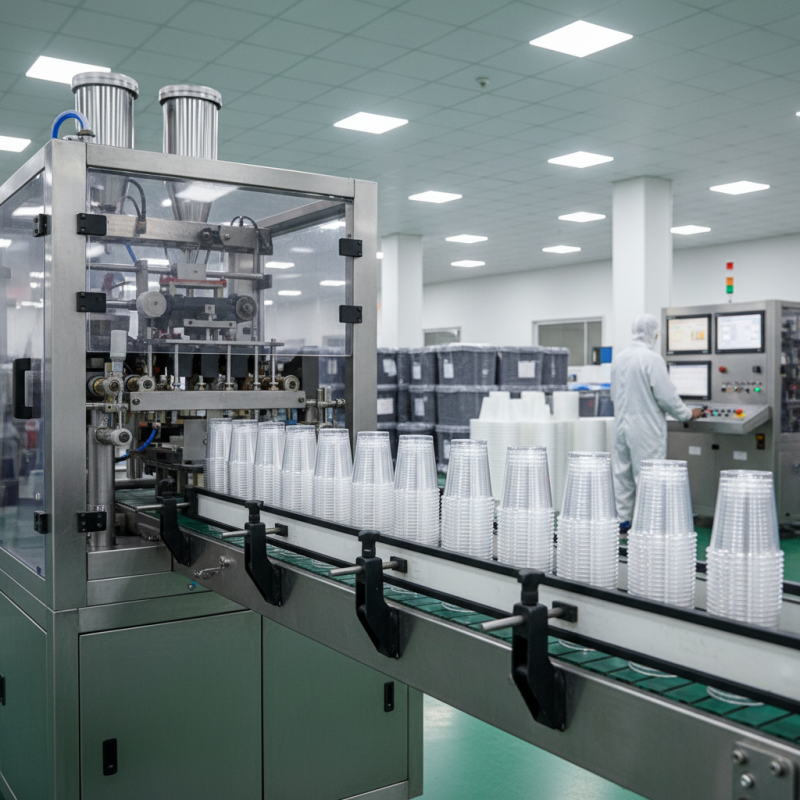
Benefits of Increased Production Efficiency with Plastic Cup Machines
Investing in a plastic cup machine can significantly enhance production efficiency. Data from industry reports indicate that automation can boost production rates by up to 40%. This level of efficiency means fewer labor hours spent on manual processes. The transition from manual to automated production helps streamline workflows. When machines handle repetitive tasks, human workers can focus on quality control and innovation.
Additionally, modern plastic cup machines are designed for versatility. They can produce various cup sizes and styles without compromising speed. This adaptability caters to diverse market demands, which is crucial in today’s fast-paced environment. Reports suggest that companies leveraging such technology report a reduction in waste by 20-30%. This is a defining factor as sustainability becomes increasingly important to consumers. However, there’s a learning curve associated with operating advanced machinery. Proper training is essential to maximize returns on these investments.
Furthermore, businesses must consider maintenance and operational costs. Although initial investment may seem high, the long-term savings justify the expense. Balancing machine upgrades with workforce training is critical. A poorly managed transition may lead to inefficiencies or downtime. This aspect requires careful oversight and strategy to ensure optimal productivity. Understanding these nuances can position a business for growth in an ever-evolving market landscape.
Cost Savings in Material Usage: How Machines Optimize Waste Reduction
Utilizing a plastic cup machine can significantly reduce material waste for businesses. Traditional manufacturing often leads to excess leftover materials, which can be a financial drain. With a modern cup machine, operators can optimize raw material usage through precise cutting and shaping. This precision minimizes remnants and maximizes output.
Businesses can experience noticeable cost savings. The technology allows for better inventory control, encouraging a just-in-time manufacturing approach. This ensures that businesses create only what they need, limiting excess stock and waste. Efficient machines can adapt to various production demands, further reducing material misuse.
However, challenges remain. Not all machines are equally effective at waste reduction. Some newer technologies may require a learning curve for operators. Additionally, integrating new equipment can have upfront costs that some businesses may find daunting. Despite these hurdles, the long-term savings and sustainability benefits often outweigh initial investments.
Versatility of Plastic Cup Machines: Meeting Diverse Market Demands
Plastic cup machines offer remarkable versatility that caters to a wide range of market demands. They can produce cups of various sizes and shapes, making them suitable for industries like food service, hospitality, and events. The ability to customize cup designs adds appeal for businesses seeking to strengthen their brand identity. As consumer preferences evolve, manufacturers can quickly adapt the machine settings to meet changing demands.
Using these machines can streamline production processes. Companies can significantly reduce lead times, fulfilling large orders rapidly. This ability to produce on-demand also minimizes waste, as businesses can create cups tailored to specific needs. However, the initial investment in a plastic cup machine may be considerable. Companies must evaluate if the potential benefits outweigh the costs. Moreover, maintaining flexibility in production schedules requires careful planning and monitoring of the market trends. Businesses may find it challenging to keep pace with fluctuations in demand, leading to overproduction or shortages.
The adoption of plastic cup machines can enhance the customer experience. Offering unique cup designs can attract consumers. However, there are challenges in ensuring quality control across diverse products. It's essential to continuously assess production practices to maintain high standards. Industry players must remain vigilant about the environmental impact of plastic products. Striking a balance between innovation and sustainability is crucial for long-term success.
Quality Control Advancements: Ensuring Consistency in Production
Quality control plays a crucial role in modern manufacturing, especially when using a plastic cup machine. Consistency in production is essential. Small variations can lead to significant issues. A high-quality machine helps in maintaining uniformity across batches. This is vital for customer satisfaction and brand loyalty.
Automated monitoring systems in these machines ensure precision. They track measurements and material thickness throughout the production process. When deviations occur, the system can quickly alert operators. This minimizes waste and reduces costs. Implementing such technology can also improve production speed while maintaining quality.
However, there are challenges. Not all machines offer the same level of accuracy. Some may require frequent calibration to uphold standards. Even with advanced technology, human factors can also influence quality. Proper training for staff involved in operation is necessary. Staying vigilant about these aspects can lead to better outcomes in the long run.
Sustainability Considerations: The Role of Machines in Eco-friendly Practices
The role of plastic cup machines in promoting sustainability cannot be overstated. These machines are designed to produce cups efficiently, with minimal waste. They use less energy compared to traditional manufacturing methods. This reduction in energy consumption translates to lower carbon footprints for businesses.
Tips for optimizing sustainability include regularly maintaining your equipment. This practice ensures the machine runs efficiently, prolonging its lifespan. Another tip is to consider using recycled materials in your production process. Doing so can significantly reduce your environmental impact. Regular audits of materials used can help identify areas for improvement.
However, it’s crucial to acknowledge the environmental challenges associated with plastic. Even with advanced machines, the production process does create plastic waste. Businesses should explore biodegradable alternatives and invest in recycling programs. The commitment to sustainability goes beyond machinery; it involves a holistic approach to how products are made and discarded. Being aware of these shortcomings fosters accountability in eco-friendly practices.
Top 10 Benefits of Using a Plastic Cup Machine for Your Business

