What Are the Benefits of Reflective Workwear in 2026?
In 2026, the importance of reflective workwear has never been clearer. This type of clothing offers essential visibility in hazardous environments. Workers in construction, roadside assistance, and emergency services benefit greatly. They can be seen even in low-light conditions, reducing the risk of accidents.
reflective workwear is not just a safety feature; it also provides comfort and functionality. Many garments are designed with breathable fabrics. This allows workers to stay cool while remaining protected. However, there are concerns about the durability of these garments over time. Frequent washing may cause the reflective material to fade, affecting visibility.
Another aspect to consider is the style of reflective workwear. Some designs lack appeal, leading to reluctance among workers to wear them. Striking a balance between safety and aesthetics is crucial. Reflective workwear should not only protect but also empower workers. Addressing these issues will enhance the overall effectiveness of reflective workwear in the coming years.
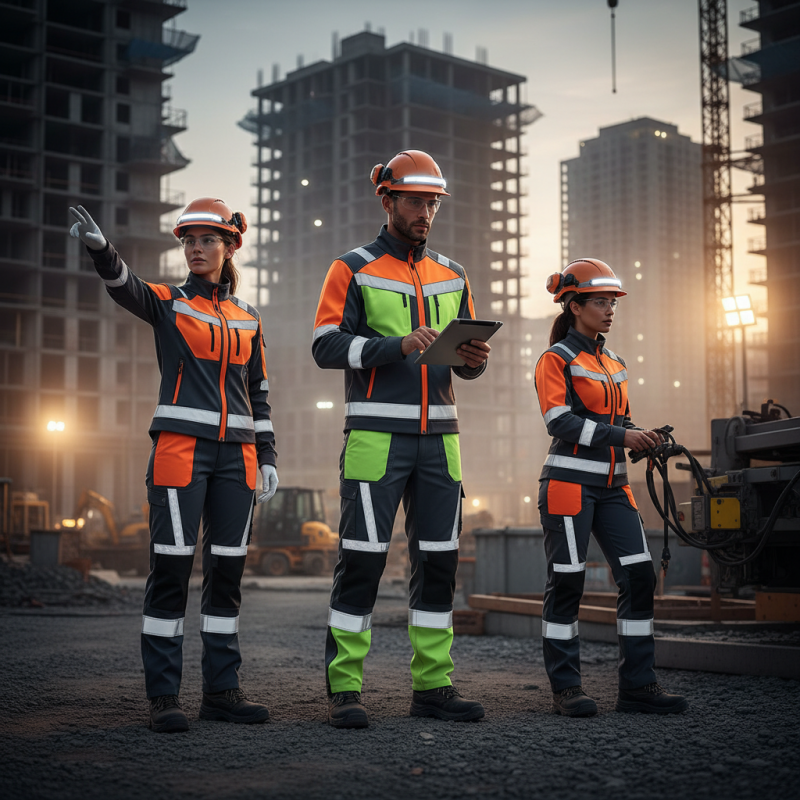
Benefits of Enhanced Visibility in Reflective Workwear
Reflective workwear is gaining significant traction in various industries. Enhanced visibility is a major benefit. According to a report by the Occupational Safety and Health Administration (OSHA), roughly 150 workers are killed each year due to traffic-related accidents on construction sites. This highlights the critical need for effective visibility solutions in hazardous environments.
Reflective materials increase the visibility of workers in low-light conditions. A study by the National Institute for Occupational Safety and Health (NIOSH) showed that reflective gear can enhance visibility by up to 200%. This is especially vital for night shifts or foggy conditions. Workers wearing reflective clothing are more easily seen by drivers or machinery operators, which can prevent accidents.
However, not all reflective gear is created equal. Some garments may not offer adequate reflection or durability. A survey noted that nearly 30% of workers felt their reflective workwear failed to meet safety requirements. This suggests a gap that needs addressing. Choosing the right reflective material is essential for true safety. Ensuring high-quality gear can make a significant difference in worker safety outcomes.
Impact on Worker Safety and Accident Prevention
Reflective workwear plays a crucial role in enhancing worker safety. In 2026, with increasing industrial activity, the demand for visibility is higher than ever. Workers often operate in low-light conditions, exposing them to hazards. Reflective gear ensures they are seen by machinery operators and drivers. Visibility directly contributes to reducing accidents at the workplace.
However, not all reflective materials are created equal. Some may wear out quickly or fail to reflect light effectively. Workers need gear that meets safety standards but also feels comfortable throughout their shifts. Poorly designed wear can distract from the job. This can lead to errors that may compromise safety. Investing in quality reflective workwear pays off in prevention.
Accident reports show a decline in incidents when using reflective clothing. Yet, there's still room for improvement. Companies must prioritize employee feedback on these products. After all, what works for one worker may not suit another. Reflective workwear can enhance safety, but it needs to meet diverse needs effectively.
Role in Compliance with Industry Regulations and Standards
Reflective workwear is pivotal for safety in various industries. In 2026, it complies with new regulations aimed at improving worker visibility. This enhancement is essential in construction, roadwork, and emergency services. Workers benefit from clearer visibility. Bright colors and reflective materials make them stand out. This reduces accidents significantly, especially in low-light conditions.
Compliance with industry standards is crucial. It ensures safe working environments. Gear must meet specific guidelines, varying with sectors. Inadequate reflective wear can lead to fines or work stoppages. Workers need to remain conscientious about their gear. It's not just about looking good; it's about safety. Continuous learning about standards is necessary.
Some workers might overlook standard requirements. This can lead to lapses in safety. Awareness is key to preventing accidents. Wearing proper reflective gear should not be an afterthought. Regular checks and employee training offer pathways to improvement. Compliance not only enhances safety but also promotes a culture of responsibility.
What Are the Benefits of Reflective Workwear in 2026? - Role in Compliance with Industry Regulations and Standards
| Aspect | Benefits | Compliance Standards | Industries |
| Visibility | Enhanced safety through increased visibility in low-light conditions. | OSHA, ANSI | Construction, Roadwork |
| Durability | Long-lasting materials that withstand harsh conditions. | ISO 20471 | Transportation, Logistics |
| Comfort | Designed for ease of movement and breathability without sacrificing safety. | EN 471 | Warehousing, Emergency Services |
| Regulatory Compliance | Helps companies adhere to safety regulations to avoid penalties. | FMVSS, NFPA | Fire Safety, Utilities |
| Brand Representation | Promotes a professional image while ensuring worker safety. | N/A | All Industries |
Influence on Worker Comfort and Performance
Reflective workwear has evolved dramatically by 2026, impacting worker comfort and performance significantly. Designed with advanced materials, these garments feature enhanced breathability. Workers can now navigate demanding environments with ease. The weight and fit are carefully considered, allowing for greater mobility. For instance, those in construction or emergency services report less fatigue during long shifts.
However, not everything is perfect. Some workers find certain reflective materials can feel too rigid. The balance between durability and comfort is hard to achieve. Additionally, the reflective properties might wear off after several washes, reducing visibility during critical moments. This is a concern for safety-focused industries.
Feedback from workers has highlighted these aspects. They appreciate the increased visibility, especially during low-light conditions. Yet, comfort issues can hinder job performance. If workers constantly adjust their clothing, their focus shifts away from tasks. This can lead to errors. While reflective workwear has made strides, ongoing evaluation is necessary to enhance its effectiveness.
Trends in Material Technology for Reflective Workwear in 2026
Reflective workwear is evolving rapidly, influenced by advancements in material technology. In 2026, we see an increase in the use of lightweight, breathable fabrics that enhance comfort. According to a recent industry report, 78% of workers reported improved satisfaction with breathable reflective materials. This shift is crucial for those working in demanding environments.
The integration of smart materials is another notable trend. These innovations can include moisture-wicking properties and temperature regulation. Such features provide an optimal balance between safety and comfort. Research indicates that 65% of safety professionals believe that smart textiles enhance visibility in low-light conditions. This is significant as visibility directly impacts workplace safety.
Yet, the industry still faces challenges. Not every reflective material withstands harsh weather conditions effectively. Some may degrade or lose reflectivity after repeated washes. It’s vital for manufacturers to continuously test and improve fabric durability. Striking a balance between comfort and durability remains a point of reflection for many in the industry.

