Top Benefits of Laser Engraving Metal in 2026?
In 2026, the field of laser engraving metal has reached new heights. Experts like Dr. Emily Carter, a renowned specialist in manufacturing technology, emphasize its growing significance: “Laser engraving metal offers unmatched precision and personalization for various industries.” This innovation caters to specific needs, such as branding and custom designs.
The advantages of laser engraving metal are becoming increasingly clear. The process is efficient and eco-friendly, reducing waste and energy consumption. While many companies embrace this technology, some still struggle with its implementation. Factors such as cost and required training can hinder progress.
However, the potential for creativity and customization remains enticing. Industries are now exploring novel applications, such as intricate designs on tools and industrial equipment. As we advance further, the real challenge will lie in maximizing its benefits while addressing the obstacles. Laser engraving metal is not just a trend; it's a game-changer.
Advantages of Precision and Detail in Laser Engraving Metal
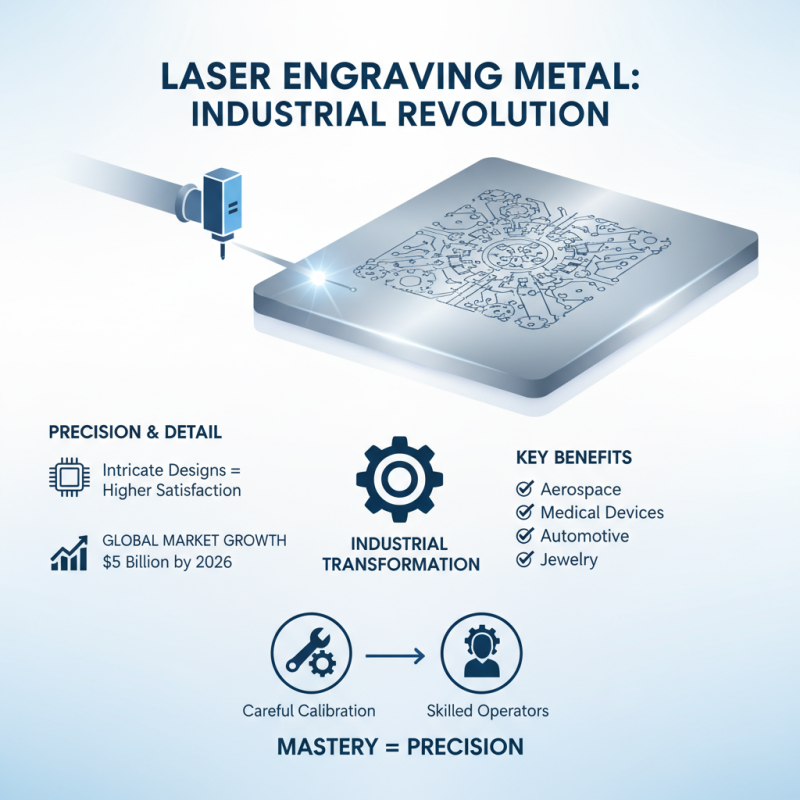
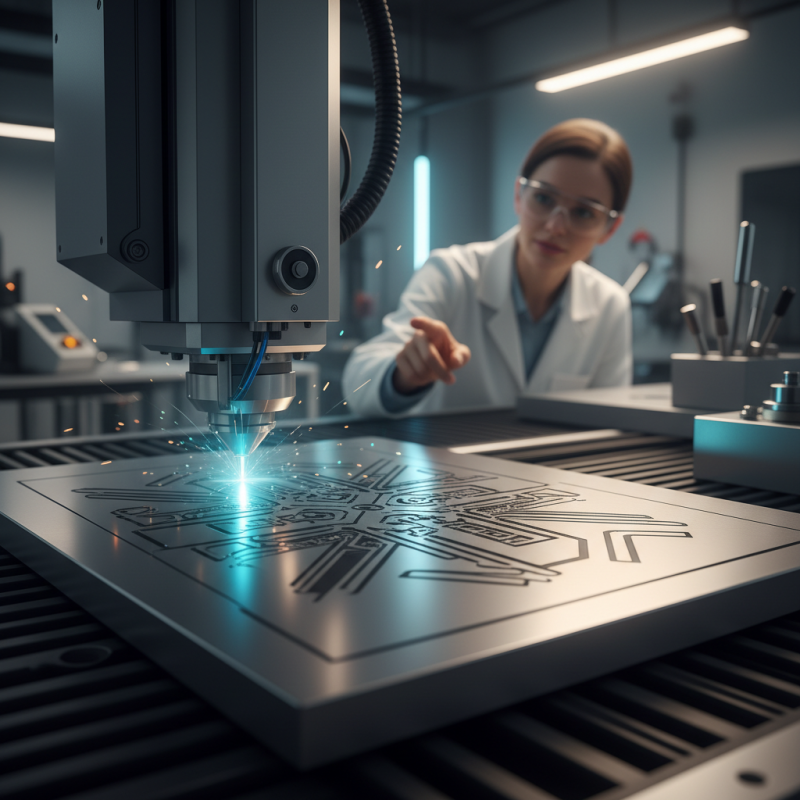
Laser engraving metal is revolutionizing various industries due to its precision and detail. Data indicates that the global laser marking market is projected to grow significantly, reaching nearly $5 billion by 2026. The ability to create intricate designs on metal surfaces leads to higher customer satisfaction. However, mastering precision requires careful calibration and skilled operators.
Details matter in laser engraving. A study found that consumers value quality and intricacy in products. Engraved metal items often showcase complex patterns that traditional methods struggle to reproduce. This technological advancement allows for personalization, enhancing both aesthetics and value. Yet, achieving perfection is an ongoing challenge. Over-engraving can lead to distortion, and achieving the right depth is critical.
Furthermore, the environmental impact should not be overlooked. Laser engraving generates less waste compared to traditional methods. However, the energy consumption of high-powered lasers contributes to carbon footprints. Striking a balance between precision and sustainability is a point of reflection for many manufacturers. Embracing laser engraving in 2026 can yield outstanding benefits, but it requires continuous improvement and responsibility.
Enhanced Durability and Longevity of Engraved Metal Products
Laser engraving metal has become a game-changer in various industries. This method significantly enhances the durability of metal products. Unlike traditional engraving, which can wear down over time, laser engraving uses precise technology. The result is a clean, deep marking that lasts.
One key advantage is resistance to corrosion and wear. Laser-engraved surfaces withstand harsh environments. They can endure extreme temperatures and chemicals. This durability makes them ideal for tools and outdoor equipment. However, some might find that not all metals yield the same quality. Testing different materials ensures the best results.
Moreover, the longevity of engraved products translates to cost savings. Businesses can reduce replacements and repairs. This longevity doesn't just benefit companies; it also provides customers with long-lasting items. As consumers become more eco-conscious, laser engraving offers sustainable solutions. However, initial costs can be higher. Evaluating long-term benefits versus short-term expenses is crucial. Ultimately, laser engraving represents a thoughtful investment in quality and sustainability.
Environmental Benefits of Laser Engraving Compared to Traditional Methods
Laser engraving metal offers significant environmental advantages over traditional methods. Traditional engraving often involves toxic chemicals and large amounts of waste. Reports indicate that laser engraving can reduce material waste by up to 80%. This reduction has a direct positive impact on our planet.
Moreover, laser systems are energy efficient. They consume less power than conventional machining methods, decreasing greenhouse gas emissions. Some studies show that laser engraving can use up to 50% less energy, leading to a smaller carbon footprint. This efficiency not only conserves resources but also promotes sustainability in manufacturing sectors.
Despite these advantages, challenges remain. Not all materials may react well to laser engraving. Some metals can become brittle or discolored. Inexperienced operators might face a steep learning curve. This can result in waste and inefficiency. Continued research and development are essential to minimize these drawbacks and enhance the process further. Conducting thorough material tests is crucial to ensure optimal results while maintaining environmental integrity.
Top Benefits of Laser Engraving Metal in 2026
Cost-Effectiveness of Laser Engraving for Businesses in 2026
Laser engraving is becoming a game-changer for many businesses in 2026. The cost-effectiveness of this technology cannot be overstated. A recent industry report shows that laser engraving can reduce production costs by up to 30%. This is a significant saving for companies looking to enhance their branding or product personalization.
Moreover, the initial investment in laser engraving machines has decreased, making them more accessible. Companies can recover costs quicker than ever. Most take just a few months to see returns. However, there are some challenges. Not all materials work well with laser engraving. Businesses sometimes face trial and error with different metals. This can lead to wasted resources and time.
Speed is another aspect to consider. While laser engraving is efficient, it may still lag behind traditional methods for mass production. For smaller batches, it shines, offering precision and customization that other methods can't match. Adapting to this technology requires ongoing learning and adjustment. Some companies may initially struggle to integrate it seamlessly into their operations. The learning curve could affect productivity in the short term.
Diverse Applications and Industries Utilizing Laser Engraving Technology
In 2026, laser engraving technology continues to expand across diverse sectors. Industries like automotive, aerospace, and medical manufacturing are embracing this method. A recent report shows a 15% increase in laser engraving applications in the metal sector. The precise and durable results are appealing, especially for custom parts.
Laser engraving offers versatility. It can create intricate designs on aluminum, stainless steel, and titanium. This allows companies to enhance brand identity. The medical industry utilizes laser engraving for surgical instruments. Meanwhile, the automotive sector relies on it for part identification. Yet, some businesses still hesitate due to initial costs. It’s a challenge many face, weighing quality versus expenditure.
Tips for businesses: Consider starting small. Test various materials to see what works best. Monitor the outcomes carefully. Taking this stepwise approach can ease the transition. Moreover, integrating user feedback is crucial. It helps refine the process and improve product offerings. Tread carefully, and don’t rush into decisions. The impact of laser engraving can be significant, but it requires thoughtful planning.