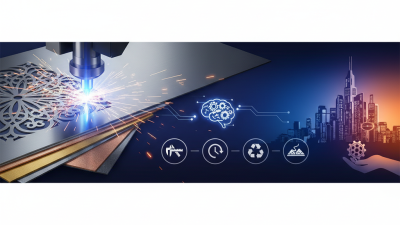
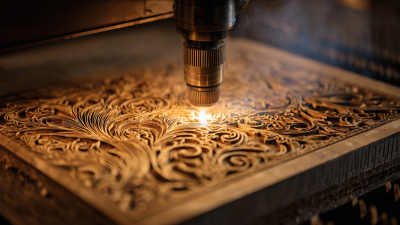
Laser cutting has transformed manufacturing in numerous industries. As a leading expert in the field, Dr. Emily Carter states, "Laser cutting offers unparalleled precision and customization." This technology enhances production efficiency and reduces material waste. With laser cutting, businesses can achieve intricate designs that were once impossible.
Many global buyers are recognizing these benefits. Precision cuts improve the overall quality of products. This technology is perfect for various materials, from metals to plastics. Each industry can tailor its approach with laser cutting. It's not just about speed; it’s also about adaptability.
However, there are challenges to consider. Implementation of laser cutting requires investment in training and machinery. It's crucial for companies to weigh these factors carefully. Ultimately, the benefits can far outweigh the costs when properly managed. Embracing laser cutting can lead to superior results in competitive markets.
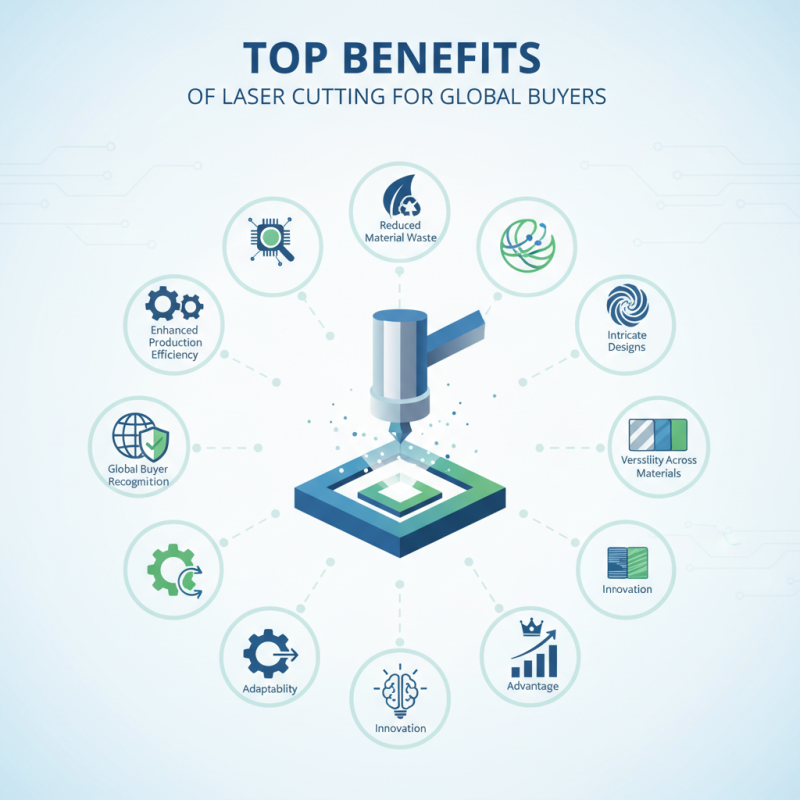
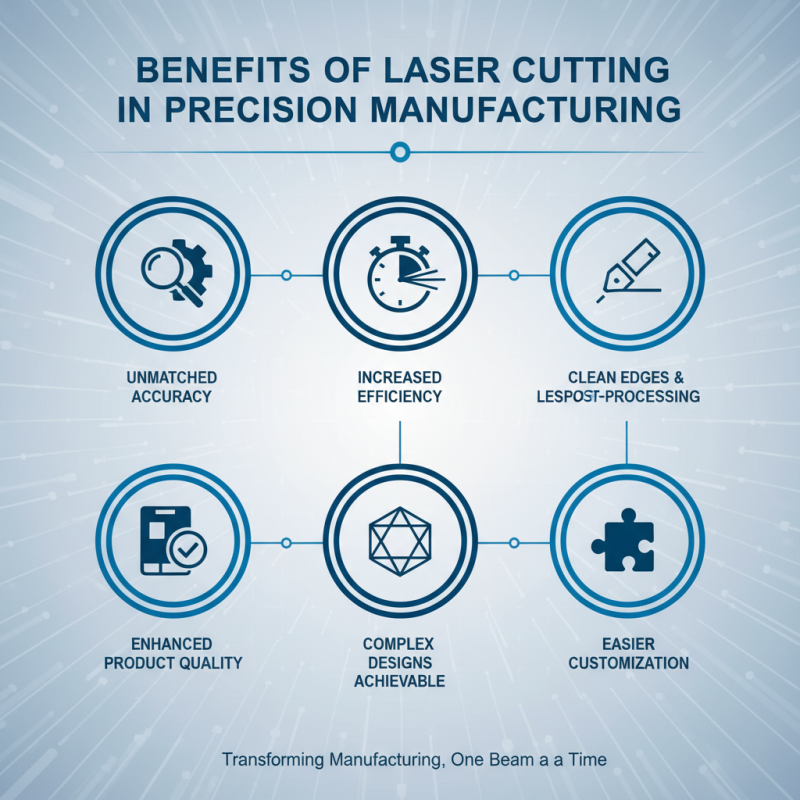
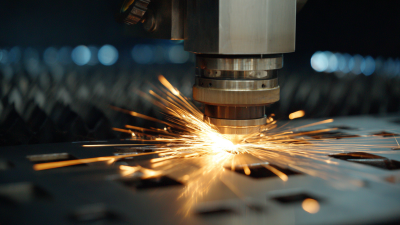
Laser cutting has transformed precision manufacturing by providing unmatched accuracy and efficiency. This technology utilizes focused laser beams to slice through various materials with incredible precision. Manufacturers appreciate the clean edges and reduced need for post-processing. This level of detail can enhance product quality significantly. With laser cutting, complex designs are more achievable than ever. Customization becomes easier, allowing companies to meet unique client demands effectively.
Another significant benefit is the cost-effectiveness of laser cutting. Traditional machining methods often waste materials and time. In contrast, laser cutting maximizes material usage thanks to its precise cutting ability. This efficiency can help reduce overall production costs, which is crucial in competitive markets. Furthermore, the speed of laser cutting improves turnaround times, giving businesses a vital edge. However, companies must remain vigilant about maintenance. Regular upkeep is essential to ensuring this technology operates at optimal levels.
The flexibility of laser cutting is another notable advantage. It can work on a wide array of materials, including metals, plastics, and wood. This adaptability makes it appealing to various industries, from automotive to aerospace. Yet, businesses should consider the initial investment. While the long-term savings can be substantial, the upfront costs can be a hurdle. Understanding the balance between investment and return is key for manufacturers exploring laser cutting.
Cost efficiency is one of the primary advantages of laser cutting for global buyers. According to a report by Grand View Research, laser cutting technology is expected to grow significantly, with a projected CAGR of 5.6% from 2021 to 2028. This reflects its rising importance in various industries, particularly for those looking to optimize production costs.
Laser cutting reduces material waste significantly. Traditional methods often leave about 20-30% scrap material. Laser cutting, however, uses a focused beam that can minimize waste to under 10%. This efficiency directly translates to lower material costs, benefiting manufacturers and suppliers alike.
Moreover, the precision of laser cutting enhances speed and productivity. It can cut complex shapes with minimal adjustments, lowering labor costs. A study from MarketsandMarkets highlights that laser cutting can increase production speed by up to 30% compared to conventional methods. Many buyers may overlook the initial investment but will likely recoup costs quickly through these efficiencies. In the quest for cost-effective production methods, laser cutting stands out for its value.
Laser cutting technology offers significant advantages for accelerating production times. Manufacturers around the globe increasingly rely on laser cutting for its speed and precision. The process eliminates the need for extensive tooling, allowing for quicker setup times. This reduction in preparation translates to faster production cycles, enabling companies to fulfill orders more efficiently.
With laser cutting, intricate designs become feasible without losing time. The technology allows for high-speed cutting that maintains tight tolerances. This means fewer errors and less rework, which can slow production. However, some may find that initial investments in laser technology can be daunting. It's vital to weigh these costs against the long-term benefits of improved efficiency.
Moreover, laser cutting enhances versatility in production. It accommodates various materials, from metals to plastics. This flexibility supports rapid prototyping and small-batch production with ease. Yet, businesses must continually evaluate their processes. They need to ensure that they keep up with the swift advancements in laser technology. Overall, laser cutting has made a significant impact on production timelines, reshaping how industries operate.
Laser cutting is an innovative process that offers immense versatility in the types of materials it can handle. This technique can work with metals, plastics, wood, and even textiles. Each material reacts differently to the laser, allowing for intricate designs and precise cuts. For instance, metal cutting requires high power and speed, while fabric can be cut more delicately, highlighting the laser's flexibility.
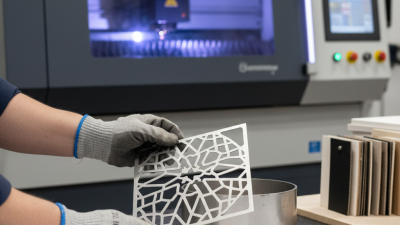
The ability to customize cuts is another remarkable aspect. Designers can create customized patterns for various applications, such as signage or prototypes. Laser cutting can also differentiate between materials, producing clean edges without fraying. However, the learning curve in mastering the different settings for each material can be challenging.
Despite its benefits, some users may encounter issues. For example, materials like acrylic can melt if the power is too high. Users must carefully adjust settings to prevent damage. This requires experience and a thorough understanding of the process. Being mindful of these nuances is essential for achieving the best results in laser cutting projects.
Laser cutting has transformed design flexibility in manufacturing. This technique enables intricate shapes and patterns that traditional methods cannot achieve. According to a report by MarketsandMarkets, the global laser cutting market is expected to reach $6.4 billion by 2026. This growth reflects a demand for precision and adaptability in various industries.
With laser cutting, designers can easily modify patterns, making it easier to experiment with unique forms. This flexibility is vital for industries like aerospace and automotive, where customization is essential. A study revealed that companies using laser cutting techniques saw a 30% increase in efficiency in prototype development. This rapid iteration process allows for better alignment with market trends and consumer preferences.
However, it's important to consider the learning curve associated with laser cutting technologies. Resources and training are needed to maximize their potential. Moreover, while laser cutting is highly precise, issues like material limitations can arise. Companies may need to balance design aspirations with practical constraints. As the industry evolves, ongoing education in laser cutting applications will be crucial for leveraging its full benefits.
| Benefit | Description | Applications |
|---|---|---|
| Design Flexibility | Allows for intricate and complex designs that traditional methods cannot achieve. | Architectural models, custom signage. |
| Precision Cutting | Delivers high levels of accuracy with minimal material wastage. | Aerospace components, medical devices. |
| Speed | Faster processing times compared to other cutting techniques. | Mass production, rapid prototyping. |
| Material Versatility | Works with a variety of materials including metals, plastics, and wood. | Furniture design, automotive parts. |
| Reduced Labor Costs | Minimizes the need for manual labor and increases production efficiency. | Manufacturing processes in various industries. |
| Eco-Friendly | Generates less waste and uses less energy than traditional methods. | Sustainable product design. |
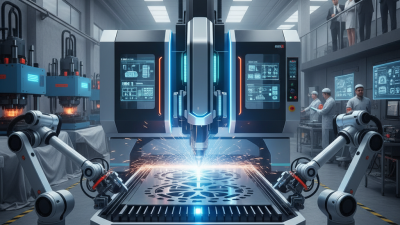
| Automation Compatibility | Easily integrates into automated production lines for continuous output. | Industrial manufacturing, assembly lines. |
| Improved Safety | Reduces the risk of injuries associated with manual cutting tools. | Workshops, manufacturing facilities. |
| Low Maintenance | Requires less maintenance compared to other machines, reducing downtime. | Various manufacturing setups. |
| Customization | Facilitates customization for personalized products. | Jewellery design, personalized gifts. |
Please fill out this form and we will get an order or estimate ready for you. Please give us as much detail as you can for us to get started, and we will contact you to finsh the work order.