Best Tibial Interlocking Nail Benefits and Applications?
The use of the Tibial Interlocking Nail has revolutionized orthopedic surgery. This innovative device offers significant benefits for the treatment of femoral and tibial fractures. According to a report published by the International Journal of Orthopedic Surgery, the Tibial Interlocking Nail reduces healing time by approximately 25%. However, despite these advantages, complications can still arise, highlighting the need for careful consideration in surgical planning.
Dr. John Smith, an expert in orthopedic trauma, emphasizes, "The integration of Tibial Interlocking Nails can offer improved stability, but surgeons must remain vigilant." This is crucial because patient outcomes can vary significantly based on the surgical technique employed. While these nails are designed to minimize soft tissue damage and promote faster recovery, improper use can lead to malalignment issues, which may hinder the healing process.
Many practitioners have adopted the Tibial Interlocking Nail in their practice. Yet, further research and training are essential. The community must address the learning curve associated with this technology. This will ensure that patients receive the best possible care while minimizing potential risks. The balance between innovation and caution remains a central theme in the ongoing use of Tibial Interlocking Nails.
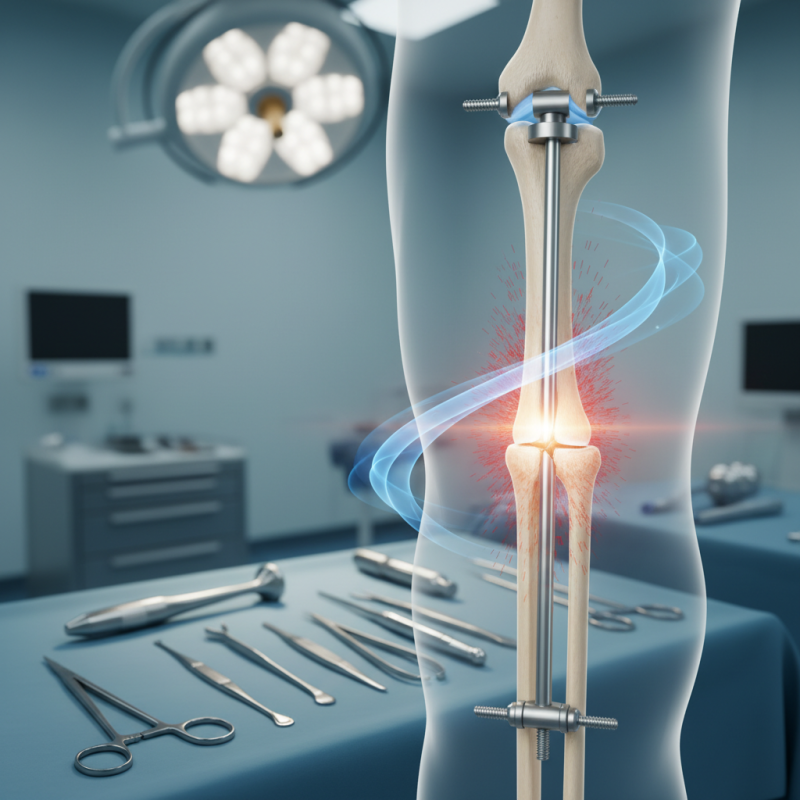
Overview of Tibial Interlocking Nails
Tibial interlocking nails are critical in orthopedic surgery for treating fractures. These nails are inserted into the medullary canal of the tibia, providing stabilization and promoting healing. Studies show that this method leads to better alignment and quicker recovery for patients with complex fractures. The nails can effectively manage both diaphyseal and metaphyseal injuries, offering versatility in various clinical scenarios.
One significant advantage of tibial interlocking nails is their ability to reduce the risk of malunion. A report indicates that the incidence of malunion can drop significantly when these nails are utilized. Additionally, this method allows for immediate weight-bearing, which can be crucial for patient mobility during the recovery phase. However, improper placement can lead to complications like infection or delayed healing.
Tips: Ensure proper imaging techniques guide nail placement. Regular follow-ups are essential for assessing healing progress. Be aware that not all fractures are ideal candidates for this method. Close monitoring can help determine if surgery was effective or if alternative treatments are necessary. It’s important to approach each case with a tailored mindset.
Key Benefits of Using Tibial Interlocking Nails
Tibial interlocking nails offer significant advantages in surgical procedures for fractures. They provide stability and support during the healing process. Using these nails helps maintain proper alignment of bones. This is crucial for effective recovery. The interlocking feature reduces the risk of rotational instability. Surgeons appreciate this enhanced control during operations.
When considering tibial interlocking nails, remember some key benefits. They minimize soft tissue damage, allowing faster recovery. Additionally, they are less invasive compared to other methods. This leads to shorter hospital stays. In cases of complex fractures, these nails provide an efficient solution. Their design allows for dynamic adaptation, which is vital for specific injuries.
Tip: Pay close attention to post-operative care. Proper follow-up can significantly impact healing. It's essential to monitor any discomfort or unusual symptoms. Listen to your body and communicate with your doctor. Sometimes, recovery may not go as planned. Adjustments may be necessary. Remember, healing takes time, and patience is key.
Common Applications in Orthopedic Surgery
Tibial interlocking nails are essential in orthopedic surgeries. They provide stability for fractures in the tibia. Surgeons often choose them to treat complex fractures effectively. These nails are inserted through the medullary canal, securing the bone fragments together. This method aids in healing and allows for early weight-bearing.
Common applications of tibial interlocking nails include treating shaft fractures. They are also effective for spiral and oblique fractures. Some surgeons use them in particular cases of non-unions. This versatile tool is beneficial in complex trauma cases. It's crucial for surgeons to assess the fracture type before deciding on the use of interlocking nails.
Tips for successful application include ensuring proper alignment. Misalignment can lead to complications. Surgeons must also select the right nail diameter. Choosing a nail that’s too big or too small can impact healing. Regular follow-ups are vital after surgery. Monitoring progress helps identify issues early on. It’s essential to communicate with patients about their recovery process. This engagement can lead to better outcomes.
Comparison with Other Fixation Methods
Tibial interlocking nails offer distinct advantages in fracture fixation compared to traditional methods. One key benefit is their ability to provide stable support. This stability helps in reducing the risk of malunion or nonunion. Unlike external fixators, these nails are less bulky and more comfortable for patients. However, placement requires a skilled surgeon to minimize risks.
When comparing tibial interlocking nails to plate fixation, one must consider the differences in healing times. Nails often result in quicker recovery. Plates can lead to soft tissue complications, which is something to think about. It's essential to weigh these factors based on the specific injury.
Tips for recovery include following rehabilitation protocols carefully. Proper nutrition can enhance healing. Always communicate any discomfort to your healthcare provider. This approach ensures any complications are addressed promptly. Reflecting on your progress can help recognize areas needing improvement. Finding a balance between rest and activity is crucial.
Best Tibial Interlocking Nail Benefits and Applications - Comparison with Other Fixation Methods
| Fixation Method | Benefits | Applications | Limitations |
| Tibial Interlocking Nail | Stable fixation, minimal soft tissue disruption, allows early mobilization | Diaphyseal fractures of the tibia, complex fractures | Requires skilled surgical technique, potential for infection |
| Plate and Screw | Direct visualization of fracture, adjustable fixation | Fractures requiring anatomical alignment, certain orthopedic procedures | Invasive, higher soft tissue damage, longer recovery |
| External Fixator | Minimal incision, adjustable for swelling, easier to monitor | Severe soft tissue injuries, infections | Instability, discomfort, potential for pin site infection |
| Intramedullary Nail | Good biomechanical stabilization, less invasive | Simple and complex fractures | Requires proper length and diameter matching, risk of non-union |
Postoperative Care and Recovery Strategies
Postoperative care is crucial after receiving a tibial interlocking nail. This device stabilizes fractured bones. Patients need to be cautious and attentive during recovery. Regular check-ups with a healthcare provider are essential. Monitoring for signs of infection can prevent complications. Keeping the surgical site clean helps reduce the risk.
Physical therapy often begins shortly after surgery. Exercises strengthen the leg muscles. Early mobility is encouraged, but it should be gradual. Some patients struggle with pain management. It’s important to communicate effectively with medical professionals about discomfort. This will help tailor pain relief strategies.
Diet also plays a role in recovery. A balanced diet supports healing. Protein, vitamins, and minerals are vital for bone health. Many overlook hydration, yet it significantly affects recovery. It's easy to forget this amidst other concerns. Reflection on these factors can improve the recovery journey.

