Top Bending Metals Techniques for Global Buyers in 2026?
The Bending Metals industry is evolving rapidly as we approach 2026. Experts predict that advanced techniques will reshape global manufacturing. John Carter, a leading figure in metal fabrication, stated, "Innovative bending techniques can transform metalwork efficiency." This statement reflects the importance of adapting to technological advancements in bending metals.
In the upcoming years, buyers must pay attention to new methods. The focus will be on sustainability and precision. Businesses are exploring eco-friendly materials and automated bending processes. However, not every approach will fit all needs. Some traditional techniques may still hold value.
It's crucial for buyers to remain informed. The landscape of bending metals is complex and ever-changing. Emerging technologies present both opportunities and challenges. Decision-makers must evaluate the benefits and drawbacks of current practices. Balancing innovation and reliability will be key for success.
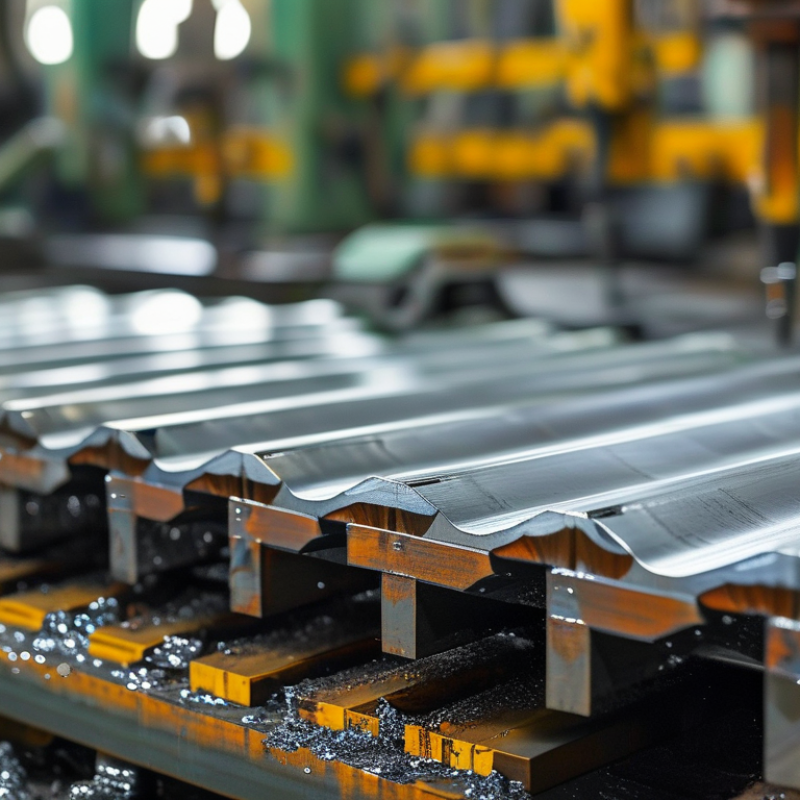
Emerging Bending Technologies for Metal Fabrication in 2026
As the metal fabrication industry evolves, emerging bending technologies are paving the way for enhanced precision. In 2026, digital bending techniques will increasingly utilize AI and machine learning. Research indicates that up to 40% of metalworking companies may adopt these technologies, driving efficiency.
One notable innovation is the use of software that simulates bending processes in real-time. This approach predicts material behavior, reducing waste and improving accuracy. Industry reports suggest that companies adopting these tools can enhance their production rates by as much as 30%.
However, transitioning to these advanced methods poses challenges. Workforce training remains a significant hurdle. Many employees may find it difficult to adapt to new technologies. The skills gap could hinder adoption rates, slowing down innovation in some areas. Addressing these issues will be critical as companies strive for growth and competitiveness in the global market.
Top Bending Metals Techniques for Global Buyers in 2026
Key Metal Materials for Effective Bending Processes in Global Markets
Metal bending is a crucial process in various industries. Understanding the right materials can influence the quality of finished products. Different metals respond uniquely to bending techniques, making material selection essential.
Aluminum is lightweight yet strong, making it a popular choice. Its malleability allows for intricate designs. Steel is another top contender, known for its durability. It can withstand significant stress but requires proper heating for effective bending. Copper and brass also present unique advantages: they provide excellent conductivity and formability.
Buyers must consider properties like tensile strength and ductility. Each metal's behavior during bending affects the final outcome. Some bends may create weaknesses, requiring careful assessment. Experimentation with various techniques is vital for optimal results. The search for the best materials is ongoing, reflecting market needs and technological advancements.
Comparative Analysis of Bending Techniques for Different Metal Types
When analyzing bending techniques for various metal types, it's crucial to recognize that each metal possesses unique properties. Steel, for example, is known for its strength and durability. This makes it a popular choice for structural applications. A report from the Metal Forming Association indicates that 75% of steel fabricators prioritize precision bending methods to maintain quality.
Aluminum, on the other hand, has a much lower yield strength. This characteristic allows for different bending methods. The Aluminum Association reveals that using a rotary bending technique can enhance the material's performance. This method minimizes the risk of cracking, which is vital when working with thin sheets.
Tips for success in bending applications often focus on tool selection and machine settings. Investing in quality dies can increase accuracy and reduce wastage. Furthermore, consistent checks on machine calibration can help avoid significant errors. Metalworking often involves experimentation, so don't hesitate to adjust parameters during the process. Remember, bending is as much an art as it is a science.
Environmental Considerations in Metal Bending Techniques for 2026
As metal bending continues to evolve, environmental considerations play a crucial role. Many manufacturers are reassessing their techniques for sustainability. Embracing energy-efficient machinery can significantly reduce carbon footprints. New technologies can minimize waste, which is vital for a greener future.
Water-based bending fluids are also gaining traction. These alternatives are less harmful compared to traditional oils. However, the challenge lies in ensuring these fluids maintain performance and durability. Companies are experimenting, hoping to find the perfect balance. Recycling scrap metal is another area of focus. It not only conserves resources but also promotes a circular economy in metalworking.
Ultimately, metal bending in 2026 must prioritize sustainability. Manufacturers should collaborate with environmental experts to innovate. While progress is being made, inconsistencies remain in implementing green practices. Companies must reflect on their strategies and adapt. The push for eco-friendly solutions will shape the industry for years to come.
Future Trends in Automation and Robotics for Metal Bending Applications
As metal bending technology advances, automation and robotics are transforming the industry by enhancing efficiency and precision. A recent report from the International Federation of Robotics outlines that the use of industrial robots in metal processing is anticipated to grow by 20% annually through 2026. This shift indicates a significant move towards automated solutions, which can reduce human error and improve production speed.
Innovative techniques like robotic arm manipulation are being adopted widely. These robots can bend metal sheets with unprecedented accuracy, adapting to various specifications on-the-fly. This adaptability allows for customization in production, meeting exact specifications without extensive retooling. However, the integration process isn't seamless. Many manufacturers face challenges in training personnel to work alongside advanced machinery.
Investing in automation requires careful planning. Not every facility is equipped for a swift transition. Data from the 2022 Global Manufacturing Outlook shows that 70% of factories struggle with integrating new technologies. This highlights the need for a structured approach when embracing automation. Industry players must weigh the long-term benefits against the upfront costs of robotics and automation tools. Balancing innovation and capability is crucial for success in the evolving landscape of metal bending.
Top Bending Metals Techniques for Global Buyers in 2026
| Technique | Description | Applications | Future Trends |
| Laser Bending | Utilizes focused laser beams for precise bending of metals. | Aerospace, automotive components. | Increased automation and precision control. |
| Hydraulic Bending | Employs hydraulic pressure to bend large sheets of metal. | Heavy machinery, construction. | Integration with smart technology for monitoring performance. |
| Electromechanical Bending | Combines electric motors with mechanical components for bending. | Consumer goods, electronics. | High speed, precision, and lower energy consumption. |
| Incremental Bending | Gradually bends metal through multiple passes of small adjustments. | Prototype development, small series production. | Enhanced flexibility in design changes and rapid prototyping. |

