Amazing Laser Etching Tips for Beginners to Get Started
Laser etching offers creative possibilities for beginners. It allows you to create stunning designs on various materials. Whether it's wood, glass, or metal, the results can be truly impressive.
Starting with laser etching can feel overwhelming. You might wonder about the best techniques or tools to use. It's crucial to experiment. Mistakes will happen. Sometimes, the design won't come out as expected. That’s part of the learning process. Each trial brings new insights into how the laser interacts with different surfaces.
Take your time to understand your equipment. A powerful laser does not guarantee success. Understanding settings can influence the clarity of your etching. Don't rush the process. Enjoy every little breakthrough. Reflect on what works best for you. That's how you'll enhance your skills and create exceptional pieces.
Essential Tools and Equipment for Laser Etching Beginners
When starting in the world of laser etching, having the right tools is crucial. A quality laser engraver is the centerpiece of your setup. Reports indicate that the market for laser engraving machines is growing at a rate of 7.3% annually. This indicates rising interest. Yet, many beginners often underestimate the variations among models. Understanding wattage and speed settings can be overwhelming. Some engravers lack adequate support for beginners, leading to frustration.
Alongside the engraver, essential accessories include high-quality lenses and mirrors. These components can affect engraving quality dramatically. Using inferior lenses can compromise your designs. A dedicated workspace with proper ventilation is also paramount. Safety should not be sidelined; goggles designed for laser use are necessary to protect your eyes. Many novices overlook this aspect, resulting in accidents that could have been easily avoided. Starting with the right tools makes a difference, but it's essential to stay open to learning and improving your technique.
Understanding Different Types of Laser Etching Techniques
Laser etching is a versatile art that can elevate your projects. Understanding different types of laser etching techniques is essential for beginners. Each method offers unique outcomes. Some popular techniques include raster engraving, vector cutting, and engraving with various materials.
Raster engraving works by shading images, giving depth to designs. It’s ideal for detailed graphics. However, mastering the speed and power settings can be challenging. Take your time to adjust these settings for optimal results.
Vector cutting, on the other hand, creates clean lines. This method is perfect for making precise shapes. It can be tricky to get the right depth, especially with thicker materials. A good tip is to perform test cuts on scrap material. This practice helps you learn before committing to your final piece.
Experimenting is key in laser etching. Don't be afraid to test different techniques and materials. You'll make mistakes along the way. Each failure provides valuable lessons that sharpen your skills. Embrace the learning journey!
Amazing Laser Etching Tips for Beginners to Get Started - Understanding Different Types of Laser Etching Techniques
| Technique |
Material |
Power Settings |
Speed Settings |
Recommended Projects |
| Vector Etching |
Wood |
30-50% |
10-20 mm/s |
Cutting Boards, Engraved Signs |
| Raster Etching |
Acrylic |
20-30% |
30-50 mm/s |
Awards, Personal Gifts |
| Deep Engraving |
Metal |
60-100% |
5-10 mm/s |
ID Plates, Jewelry |
| Engraving with Fills |
Glass |
15-25% |
20-40 mm/s |
Drinkware, Decorative Items |
| Marking |
Leather |
10-15% |
25-35 mm/s |
Bags, Wallets, Custom Gifts |
Step-by-Step Guide to Designing Your First Laser Etching Project
Laser etching can be an exciting venture for beginners. Getting started might feel overwhelming. However, breaking down your project into manageable steps can simplify the process. According to a recent industry report, around 75% of beginners struggle with basic design concepts. Understanding your machine's capabilities is essential. Know the materials you can use. Wood, acrylic, and glass are popular choices.
When designing your first project, start with simple shapes or text. Use software that allows you to visualize your etching before starting. Users often underestimate the importance of accurate measurements. Even minor errors can lead to disappointment. For example, a quarter-inch miscalculation can ruin an entire piece. Ensuring your design fits the material is crucial.
Additionally, don’t forget to test your settings. Laser power and speed need adjustments based on the material. Many newcomers report their initial results were less than ideal. Refining your technique takes practice. Regularly assess your work to identify gaps in skills. Embrace mistakes; they are valuable learning moments that lead to improvement.
Safety Precautions and Best Practices for Laser Etching
Laser etching can be a rewarding hobby, but
safety must come first. According to a report from the American National Standards Institute (ANSI), around
20% of laser-related injuries occur during setups. This emphasizes the need for
proper precautions. Always wear safety goggles certified for laser use.
These can protect your eyes from harmful beams while working. Ensure your workspace is well-ventilated.
Toxic fumes can be produced when engraving certain materials.
Check the materials before etching. Some plastics can release harmful chemicals when burned.
Wood and leather are safer options, but even these should be tested first.
It's wise to start with small projects to gauge the process. A simple tip: keep a
fire extinguisher nearby. Mistakes can lead to unintended fires, especially with flammable materials.
When setting up your machine, pay attention to the distance between the laser head and the material.
An improper distance can cause distortion. Another tip: keep your workspace tidy.
A cluttered area can lead to accidents. Regularly check cables and equipment for any wear.
This practice helps in maintaining not just your machine, but also your safety. Always be prepared for unexpected issues during the etching process.
Being cautious ultimately leads to better results.
Common Mistakes to Avoid When Starting Laser Etching
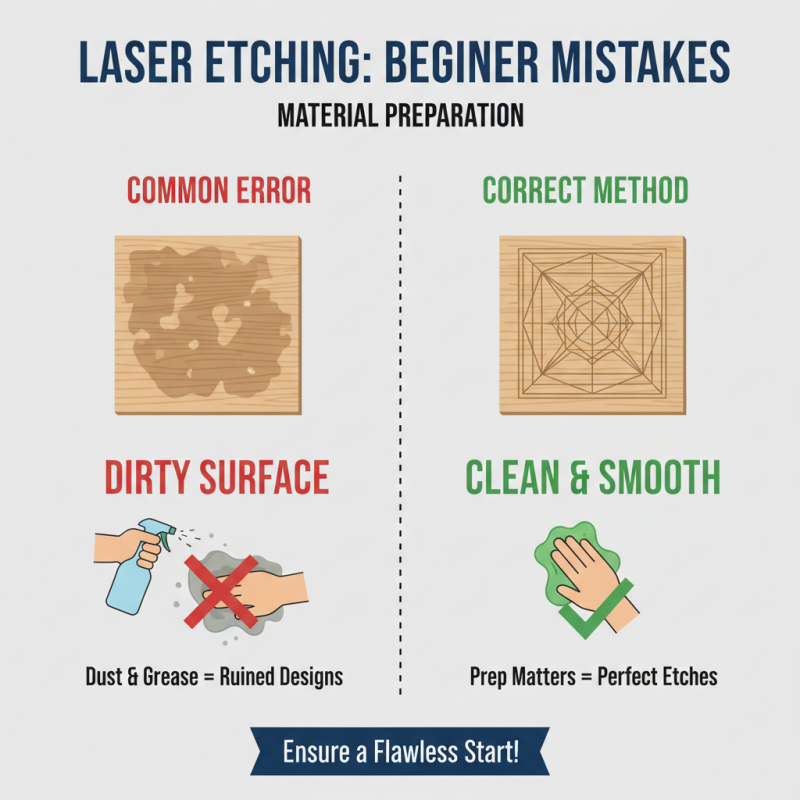
When starting with laser etching, beginners often make avoidable mistakes. One common error is not properly preparing the material. Ensure the surface is clean and smooth. Dust or grease can ruin your design. It may seem small, but these details matter.
Another mistake is using incorrect settings on the laser. Each material has its own requirements. For instance, wood needs different power and speed than acrylic. Beginners might assume one setting fits all. Test on scrap materials before working on your actual project.
Many underestimate the importance of design. Simple designs are often more effective. Overly complex patterns can confuse the laser settings. Instead, focus on clarity and precision. Lastly, always remember to take breaks. Frustration can lead to carelessness, which might affect the quality of your work.