What is an Aluminum Welder Machine and How Does It Work?
The aluminum welding industry has experienced significant growth, driven by advancements in technology and increased demand across various sectors. According to a recent report by Market Research Future, the global Aluminum Welder Machine market is projected to reach $2.8 billion by 2025, growing at a CAGR of 6.5%. This trend highlights the importance of high-quality equipment for efficient metal fabrication.
Expert insights underline the crucial role that aluminum welder machines play in welding applications. John Smith, a renowned welding engineer, once remarked, "The precision of an aluminum welder machine can make or break a project." This statement emphasizes the reliability needed in welding processes to ensure structural integrity.
Furthermore, while technology advances, there remain challenges in achieving the ideal weld quality. Factors such as the operator's skill and machine settings can greatly influence the outcome. As the industry evolves, continuous learning and adaptation are essential to mastering the art of aluminum welding. This commitment to quality and expertise is what drives the aluminum welding market forward.
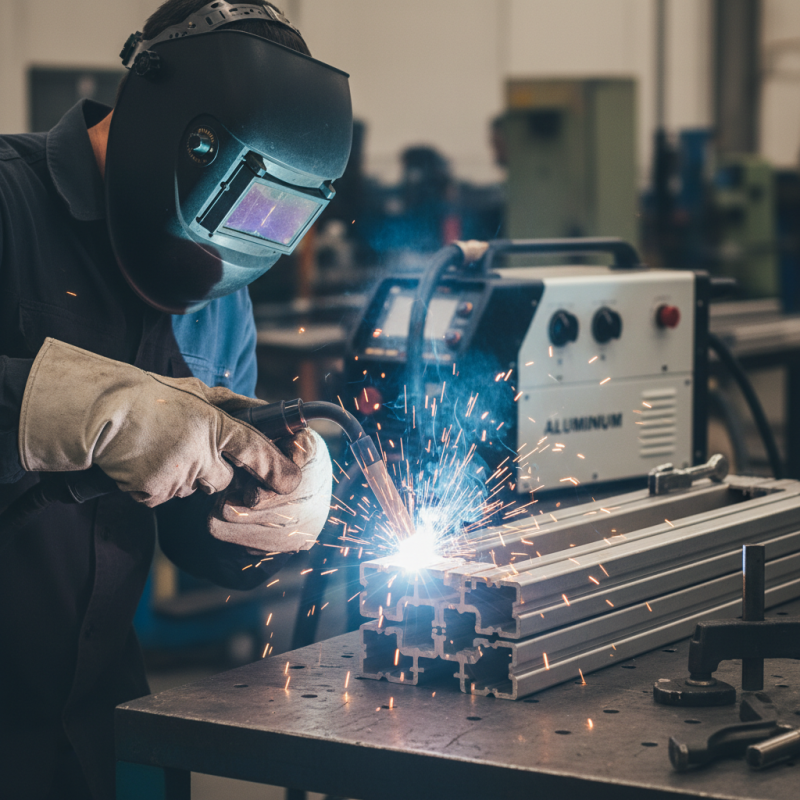
What is an Aluminum Welder Machine?
An aluminum welder machine is specifically designed for welding aluminum and its alloys. This machine uses various welding techniques, such as MIG (Metal Inert Gas) and TIG (Tungsten Inert Gas), to create strong, precise welds. Unlike other metals, aluminum requires specialized skills and equipment due to its thermal conductivity and tendency to oxidize quickly. The right equipment ensures clean, effective joints.
When using an aluminum welder machine, attention to detail is crucial. The aluminum’s surface needs to be cleaned before welding. Any contaminants can weaken the weld. A clean work environment enhances the quality of the work. Additionally, using the correct filler material is essential. It should match the alloy being welded. This choice can impact the strength of the final product.
Tips: Always wear protective gear while welding. Safety goggles, gloves, and aprons can prevent injuries. Regularly check your equipment for wear and tear. Well-maintained machines perform better and last longer. Finally, practice on scrap pieces. It allows you to gain confidence and improve your technique without the pressure of working on a final piece. Remember that mastering aluminum welding takes time and patience.
Components of an Aluminum Welder Machine
Aluminum welder machines play a crucial role in manufacturing and construction. Understanding their components can enhance both efficiency and quality. A standard aluminum welder typically includes essential parts like the power source, welding torch, and wire feeder. The power source delivers the necessary electrical current for the welding process. Research indicates that inverter-based power sources improve energy efficiency by about 30% compared to traditional systems.
The welding torch is also vital. It controls the heat and is designed to handle high temperatures without degrading. A high-quality torch can significantly affect the precision of welds. Studies show that improper torch handling leads to defects in weld quality, creating costly rework. Meanwhile, wire feeders provide consistent material supply. A reliable feeder ensures smooth operation, which is critical for optimal weld integrity.
Other notable components are cooling systems, which prevent overheating of the equipment. Without efficient cooling, a welder can sustain damage quickly. It's essential to regularly assess these systems. Many welders overlook maintenance, often resulting in unexpected downtime. The complexity of an aluminum welder machine's design emphasizes the need for regular training and knowledge refreshment within teams. Continuous learning helps mitigate risks associated with equipment failure and enhances overall productivity.
The Welding Process: How Aluminum is Welded
Welding aluminum requires careful attention and precise techniques. The welding process begins with preparing the aluminum surface. Cleanliness is essential, as even small contaminants can affect the weld quality. Use a wire brush or solvent to remove any dirt or oxidation. Once clean, the pieces must fit together tightly to ensure a strong bond.
The arc welding process is popular for aluminum. This technique utilizes a high-temperature arc to melt the aluminum and a filler rod. When the heat melts both the base metal and the filler, they combine to form a robust joint. It's crucial to maintain the right electrode angle and travel speed. Inconsistencies can lead to weak welds.
Tips: Always wear appropriate safety gear when welding. Protective goggles, gloves, and a fire-resistant apron are necessary. You also want to control the heat input. Too much heat can warp the aluminum, while too little might not create a good weld. Practice on scrap pieces if you're new to aluminum welding. This helps you refine your technique and make necessary adjustments.
Types of Welding Techniques Used for Aluminum
When it comes to welding aluminum, several techniques stand out. Each method has its unique benefits and challenges. Understanding these can help welders decide on the best approach for their projects.
TIG welding is one of the most common methods. It uses a non-consumable tungsten electrode to create a weld pool. This process allows for precise control over the heat. However, it requires steady hands and practice. Beginners may find it challenging. MIG welding, on the other hand, feeds a continuous wire to create a weld. It is faster and easier to learn. Nevertheless, it might not produce the same quality as TIG in certain applications.
Another technique is laser welding. This method uses focused laser beams to melt and join aluminum. It provides excellent penetration and reduces distortion. However, the equipment can be expensive and requires trained personnel. While these techniques have advantages, they also come with limitations. Each welder must weigh these factors carefully to achieve the best results.
Applications and Benefits of Aluminum Welding Machines
Aluminum welding machines are essential tools in various industries. They offer a range of applications, from automotive manufacturing to aerospace components. The lightweight nature of aluminum makes it a popular choice. With these machines, professionals can create strong, durable joints in aluminum parts.
The benefits of aluminum welding machines are significant. They are efficient and produce clean welds, which reduces the need for additional finishing work. These machines can handle different aluminum alloys, increasing their versatility. However, operators need proper training to avoid common mistakes. Inexperienced welders may overlook factors like heat control, leading to poor weld quality.
Safety is also a concern. Aluminum welding can produce harmful fumes, requiring proper ventilation. Operators must wear protective gear. While advancements in technology improve these machines, challenges remain. Not all machines are equal, and understanding their limitations is key. This awareness helps ensure quality and safety throughout the welding process.
What is an Aluminum Welder Machine and How Does It Work? - Applications and Benefits of Aluminum Welding Machines
| Feature | Description | Application | Benefits |
| Portability | Lightweight design for ease of transport | Fieldwork, repairs | Increases accessibility to work sites |
| Power Source | AC or DC power options | Industrial fabrication, automotive | Flexibility in power access |
| Welding Techniques | TIG, MIG, and stick welding | Construction, manufacturing | Versatility for various projects |
| Temperature Control | Adjustable settings for different alloys | Aerospace, fabrication | Prevents warping and damage |
| Cooling System | Fan or water-cooled options | Heavy-duty work | Extends machine life |

