2026 Top Busbar Punching Machine Features Buyers Must Know?
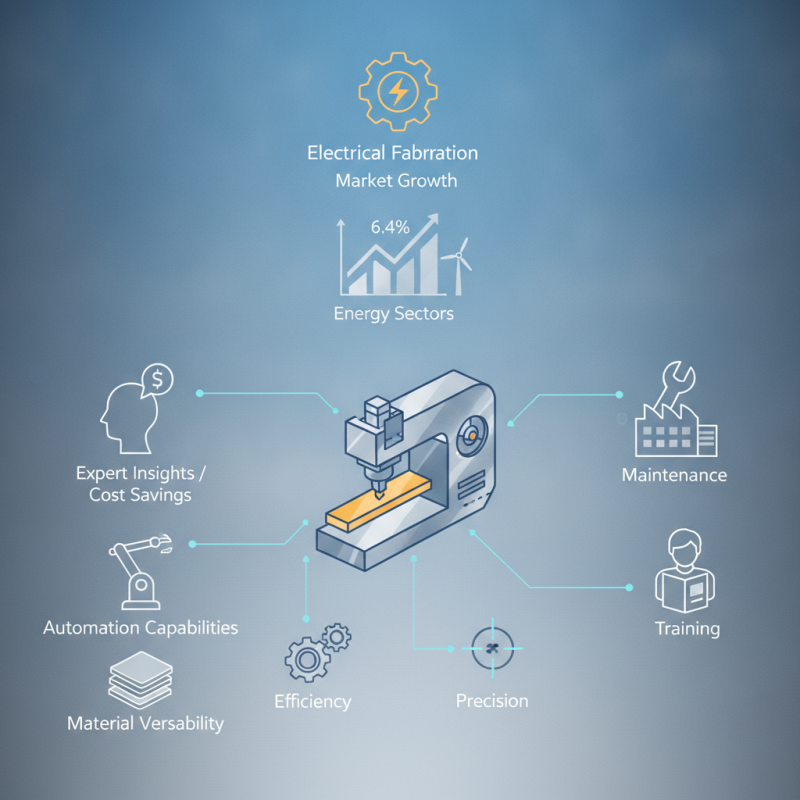
In the rapidly evolving landscape of electrical fabrication, understanding the features of the Busbar Punching Machine is crucial for buyers in 2026. According to a recent industry report by MarketsandMarkets, the global busbar manufacturing market is projected to grow by 6.4% annually, driven by increased demand in energy sectors. Such growth highlights the need for sophisticated machinery like the Busbar Punching Machine, which offers efficiency and precision.
Experts like Michael Johnson, a leading figure in electrical engineering, emphasize the importance of selecting the right equipment. He states, “Investing in a quality Busbar Punching Machine can dramatically enhance productivity.” This insight resonates with many manufacturers seeking to optimize their operations while maintaining high standards.
As technology advances, the features of these machines evolve as well. Buyers should be aware of automation capabilities and material versatility as key considerations. However, some may overlook the significance of maintenance and training, which are essential to maximizing performance. Investing time in understanding these aspects can lead to better outcomes in production efficiency and cost savings. The right machine, paired with knowledgeable operators, can transform manufacturing processes profoundly.
Key Features of Busbar Punching Machines to Consider in 2026
When considering busbar punching machines in 2026, several key features stand out. Machine precision is paramount. A study by the International Institute of Electrical Engineers noted that accuracy within ±0.01 mm significantly reduces waste during production. This accuracy ensures higher efficiency, leading to lower operational costs. Additionally, machines with programmable controls allow flexibility in managing different busbar designs, a necessity for modern manufacturing processes.
Tips: Look for machines with user-friendly interfaces. This makes training easier and reduces the time taken for operators to adapt. Efficiency can also be improved with machines that allow for quick setup and changeovers.
Machine speed is another critical factor. Reports suggest that machines capable of producing over 800 holes per minute can markedly increase throughput. However, it’s essential to balance speed with quality to avoid defects. Regular assessments of output quality are crucial for maintaining standards.
Tips: Regularly evaluate your machine's performance. Be aware of potential scaling issues as production demands grow. This reflection is vital to ensure long-term reliability.
Understanding the Importance of Precision in Busbar Punching Machines
Precision in busbar punching machines is critical to achieving optimal performance. High accuracy ensures that each punch aligns perfectly with design specifications. This precision can prevent costly errors during production. Manufacturers often overlook this aspect. A minor discrepancy can lead to significant problems later in the assembly process.
Moreover, the quality of the punched holes directly impacts the efficiency of the final product. Clean and accurately punched holes allow for better electrical connectivity. This could reduce energy losses in electrical systems. However, setting up the machine for perfect punching can be challenging. Operators may need training to navigate complex software and controls effectively.
Investing in advanced technology can improve precision. Modern machines may include features like automatic adjustments and precise controls. These innovations help minimize human error. Yet, ongoing maintenance is necessary to ensure longevity and reliability. It's easy to forget that even the best machines require regular checks to maintain their precision standards.
2026 Top Busbar Punching Machine Features Buyers Must Know
This chart illustrates the key features of busbar punching machines that buyers should consider in 2026, emphasizing the importance of precision.
Comparative Analysis of Speed and Efficiency in Modern Punching Machines
In the competitive landscape of metalworking, speed and efficiency are paramount for modern punching machines. These machines can significantly enhance production workflows. Users should recognize that the speed of a punching machine does not solely depend on its motor power. Factors such as design, tooling, and material type also play crucial roles. A machine with high speed but poor tool alignment may lead to wasted materials and time.
When evaluating punching machines, consider their operational cycle. High-speed machines often perform faster, but this can diminish accuracy. A careful balance between speed and precision is essential. Buyers should assess each machine’s design features. A well-engineered machine saves time in setup and reduces the chance of mechanical failures.
Tips: Regular maintenance improves a machine’s lifespan and performance. Invest time in training operators thoroughly. Operators who are knowledgeable can identify inefficiencies. This knowledge helps optimize production speed while maintaining quality. Lastly, review machine specifications critically. Speed ratings can sometimes be misleading without real-world testing feedback.
Essential Safety Features for Busbar Punching Machine Operators
When operating a busbar punching machine, safety should be the top priority. According to a recent industry report, improper handling of such machinery leads to over 30% of on-site accidents each year. Operators need to be aware of essential safety features that minimize risks.
A robust emergency stop system is crucial. This feature allows operators to quickly halt the machine in case of an emergency. Regular inspections and training are vital in ensuring that this system functions reliably. Additionally, machines equipped with protective shields significantly reduce the likelihood of injuries. The simple act of having these barriers in place can decrease accident rates by up to 25%, according to safety audits.
Moreover, ergonomic designs can greatly enhance user safety. Operators often face physical strain, which can lead to chronic issues. Machines designed with adjustable heights and easy access points decrease this risk. However, it is important to remember that familiarity with the machine does not replace safety training. Regular workshops are essential. Operators should always stay informed and prepared for changing protocols in safety standards.
Cost vs. Benefit: Evaluating Investment in Busbar Punching Technology
Investing in busbar punching technology involves careful consideration of cost versus benefits. Buyers must evaluate the initial purchase price against potential savings. A high-quality machine can streamline production processes. This efficiency often translates to lower labor costs and reduced waste. Yet, initial expenses can be daunting for some businesses.
Additionally, maintenance and operational costs play a crucial role. Lower-quality machines might save money upfront but could lead to higher repair costs. These repairs can disrupt production and affect profits. Investing in reliable technology often yields better long-term outcomes. However, understanding these dynamics requires expertise and familiarity with the industry.
Moreover, it's essential to consider the machine's capacity and versatility. A busbar punching machine that adapts to various materials can justify a higher upfront cost. But if the machine can't meet growing demands, it may not be worth the investment. Reflecting on these factors helps businesses make informed decisions. Balancing immediate costs with future benefits is key to maximizing investment in this technology.
2026 Top Busbar Punching Machine Features Buyers Must Know
| Feature | Description | Cost ($) | Benefit |
| Automatic Feeding System | Streamlines the process by automatically feeding busbars into the machine. | 3000 | Increases efficiency, reducing labor costs. |
| High Precision Punching | Ensures precise dimensions for busbars, reducing waste. | 5000 | Improves product quality and consistency. |
| User-Friendly Interface | Intuitive controls allow easy operation. | 1500 | Reduces training time for operators. |
| Durable Construction | Built with high-quality materials for longevity. | 4000 | Decreases maintenance costs over time. |
| Safety Features | Includes emergency stops and guards. | 800 | Enhances workplace safety for operators. |

