2026 Best WPC Fence Options for Global Buyers to Consider?
The growing popularity of Wpc Fences reflects a significant trend in outdoor aesthetics and functionality. WPC, or Wood Plastic Composite, offers a blend of durability and style. According to a recent report by Grand View Research, the global WPC market is projected to reach $4.15 billion by 2027. This growth is driven by the increasing demand for sustainable building materials.
WPC fences are known for their resistance to moisture, insects, and decay. Unlike traditional wood, they require minimal maintenance and retain their appearance over time. As the market evolves, diversifying options tailored for global buyers are emerging. Options range from different colors to various wood grain patterns, enhancing visual appeal while ensuring longevity.
However, the rapid expansion of WPC fence options raises certain challenges. Not all products offer the same quality, and buyers must conduct thorough research. The emphasis on reliability and environmental impact is pivotal in making informed choices. Balancing aesthetic desires with sustainable practices remains a crucial reflection for consumers in this market.
Top Features to Look for in WPC Fencing Options
When considering WPC (Wood Plastic Composite) fencing, buyers should focus on several key features. Durability is paramount. WPC fencing must resist weather conditions and decay over time. It should stand up against moisture and UV rays. This longevity makes it a favorable choice for many homeowners.
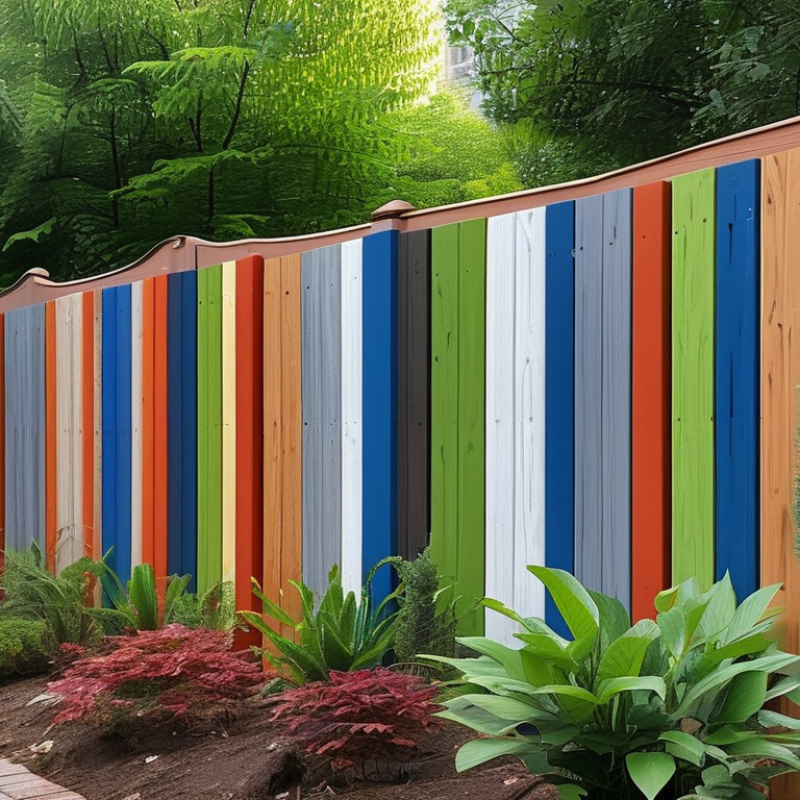
The aesthetic appeal of WPC fencing cannot be overlooked. Buyers often seek wood-like finishes that mimic natural textures. Color options should be diverse enough to complement various architectural styles. Easy maintenance is another essential feature. Unlike traditional wood, WPC requires minimal upkeep. Regular cleaning with soap and water can suffice.
Buyers should also consider eco-friendliness. WPC fencing often incorporates recycled materials, making it a sustainable choice. However, not all products guarantee the same level of sustainability. Researching manufacturing processes and sourcing can provide clarity.
Cost is another factor that requires reflection. While WPC can be more expensive initially, the long-term savings in maintenance and replacement should be weighed carefully. These considerations create a more informed purchasing experience.
Comparative Analysis of Popular WPC Fence Brands
When considering WPC (Wood Plastic Composite) fences, evaluating multiple brands is crucial. Market research indicates that demand for WPC products has grown, with a projected increase of 10% annually through 2026. Comparing different brands helps buyers identify options tailored to their specific needs.
Durability is essential in selecting a WPC fence. A report from the Outdoor Living Products Association stated that quality WPC fencing can last up to 25 years with proper maintenance. However, not all brands have the same construction quality. Some may have weaker formulations that lead to fading or cracking over time.
Another factor is the range of colors and finishes available. Many brands offer a limited palette, while others provide a wide array of designs. This variety allows homeowners to achieve a desired aesthetic while maintaining functionality. It is critical to consider not only the visual appeal but also the warranty terms; some brands may offer longer warranties on defects or fading, reflecting their confidence in their product. Potential buyers should research thoroughly to ensure they find a balance between aesthetics, durability, and value.
Cost Considerations When Choosing WPC Fencing
When considering WPC fencing, cost is a crucial factor for buyers. WPC, or wood-plastic composite, combines wood fibers with plastic polymers. This results in a material that is both durable and visually appealing. However, the price can vary significantly based on quality, design, and local market conditions. Investing in higher-quality WPC might lead to reduced maintenance costs over time.
Buyers should evaluate their budget before making decisions. Cheaper options often come with hidden costs, such as increased wear and tear or lower aesthetics. It is essential to assess long-term costs versus initial spending. For example, a low-priced fence might need replacements more often, negating any initial savings. It's also wise to account for installation costs, which can differ greatly.
Experience matters when selecting WPC fencing. Consult with professionals who understand local climate and soil conditions. They can provide insights into the most suitable options. Engaging with community reviews can shed light on product performance. Reflecting on these aspects can lead to better decision-making and a worthwhile investment.
Environmental Impact and Sustainability of WPC Materials
When considering WPC (Wood Plastic Composite) materials, it's essential to examine their environmental impact. WPC fences, made from a blend of plastic and wood fiber, offer durability. However, their production process does involve energy use and emissions. It’s crucial to select WPC products that utilize recycled materials, which can mitigate some environmental concerns.
Sustainability is more than just recycling. The source of raw materials matters too. Sustainable wood sourcing can enhance the ecological footprint. The lifecycle of WPC materials also requires attention. While they are designed for longevity, improper disposal remains a challenge. Many consumers are unaware of how to recycle WPC products at the end of their life cycle.
Consumer awareness is vital. People should research the production practices of WPC manufacturers. Transparent companies are more likely to adhere to sustainable practices. However, not all products are created equal. Some may contain harmful additives that could affect soil and water quality. This is a crucial area for potential reflection. The choices made in purchasing WPC materials can have broader environmental implications.
Installation Tips and Maintenance for WPC Fences
WPC (Wood-Plastic Composite) fences have gained popularity due to their durability and low maintenance requirements. When installing a WPC fence, proper preparation is crucial. Experts recommend assessing the site and measuring the area accurately. According to industry reports, a well-planned installation can enhance the fence’s lifespan by 20% or more.
For maintenance, regular cleaning is essential. Using a mild detergent and soft brush helps remove dirt and stains. Many users overlook this step, leading to discoloration over time. A recent survey indicated that neglecting maintenance can shorten the life expectancy of WPC fences. Interestingly, sealing joints and fittings can prevent moisture penetration, which is a common pitfall.
Additionally, consider the climate of the installation area. In regions with harsh weather, extra care is needed. Some recommend applying protective coatings every few years. However, overzealous application can lead to surface issues, so balance is key. While WPC fences require less upkeep than traditional wood, they are not maintenance-free. Reflecting on these factors can significantly impact user satisfaction and overall performance.
2026 Best WPC Fence Options for Global Buyers

