2026 Top Vacuum Bags for Meat Which Type Is Best?
Choosing the best Vacuum Bags Meat products in 2026 requires more than comparing prices or glossy packaging. The right bag must protect flavor, resist punctures, seal consistently, and match your storage method. Fresh steaks, oily sausages, freezer-bound chicken, and sous vide portions create different demands. A thin bag may look practical, yet sharp bones can pierce it before dinner.
Dr. Jeff Sindelar, a respected meat science professor at the University of Wisconsin–Madison, has emphasized, “Vacuum packaging is not a substitute for proper refrigeration.” That warning deserves attention. Vacuum sealing removes much of the air, but it does not stop every food-safety risk. Temperature control still matters. Always use food-grade bags, follow the manufacturer’s sealing instructions, and refrigerate or freeze meat promptly.
This guide examines embossed edge-seal bags, smooth chamber pouches, multilayer PA/PE films, and sous vide options. It considers thickness, oxygen barrier performance, seal width, puncture resistance, freezer durability, and machine compatibility. A strong bag should feel flexible, not brittle, and its seal should remain flat after handling.
There is no universal winner.
That is easy to forget.
A home cook storing boneless fillets may prefer affordable textured rolls. A butcher packing bone-in cuts may need thicker, reinforced material. I have also found that convenience can hide weaknesses, especially when bags are oversized or poorly sealed. The following comparison weighs practical performance, expert guidance, and honest limitations to identify which Vacuum Bags Meat type fits each real kitchen situation.
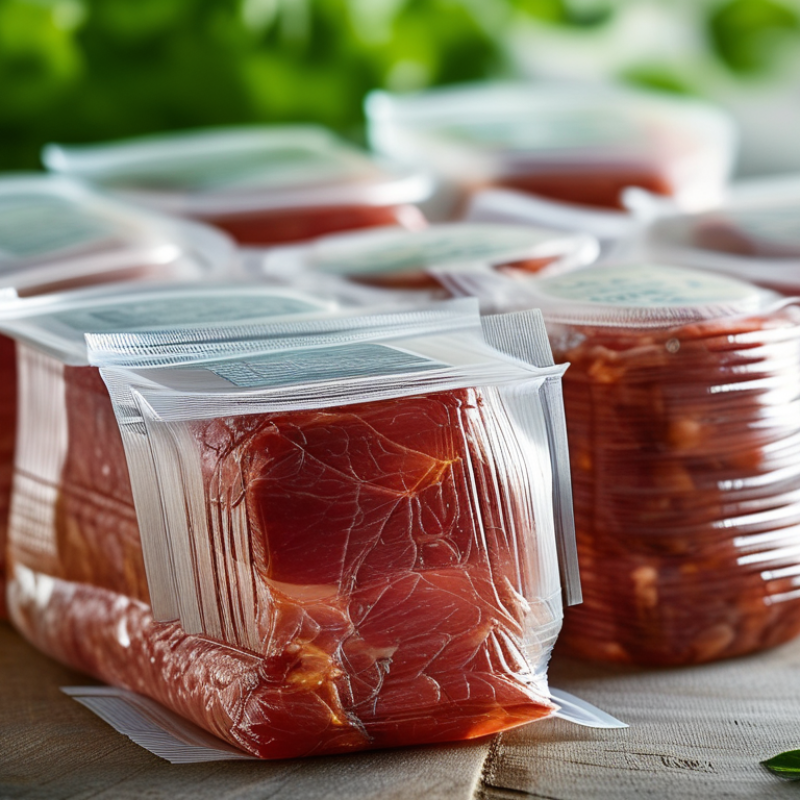
What Makes a Vacuum Bag Suitable for Meat Storage
What Makes a Vacuum Bag Suitable for Meat Storage
A suitable meat vacuum bag should be food-grade, odorless, and made from strong multilayer plastic. Polyamide adds puncture resistance, while polyethylene helps create a reliable heat seal. The bag should also limit oxygen and moisture transfer during refrigerated or frozen storage. This matters when storing steaks, poultry, or ground meat for several weeks. Choose a thickness that matches the cut. Thin bags may work for soft fillets, but sharp bones can break them easily. A wider bag is useful because meat needs space around the edges for a clean seal. Leave at least three inches above the food.
I check the seal after vacuuming by pressing gently around the closed edge. It should look smooth, continuous, and free from trapped liquid.
I once trusted a strong vacuum and missed a tiny wrinkle near the seal. Air entered overnight. That small mistake changed my view of bag quality.
A thick bag is not automatically better. It still fails if the sealing area is wet or folded. For frozen meat, select material that remains flexible at low temperatures. For sous vide cooking, use bags specifically rated for the intended heat range. Ordinary storage bags may soften, leak, or release unwanted substances. Keep raw meat away from the sealing channel, and discard bags that held raw meat rather than reusing them.
Safe Steps for Vacuum-Sealing Meat at Home
Choosing the best vacuum bag for meat starts with food safety, not thickness. Use a food-contact-rated, multilayer bag made for vacuum sealing. It should resist punctures from bones and remain stable during freezing. Bags designed for sous vide cooking must also state their heat-use limits. Ordinary storage plastic is a poor substitute.
Keep meat at 4°C (40°F) or below before sealing. The USDA Food Safety and Inspection Service recommends refrigerating perishable food within two hours, or within one hour when temperatures exceed 32°C (90°F). Pat the meat dry, remove sharp bone edges, and leave at least 7–8 cm of empty space above the seal. A clean, flat seal is essential. Check it twice. Small wrinkles can hide leaks.
Vacuum sealing reduces oxygen, but it does not destroy harmful microorganisms. The FDA Food Code uses 5°C (41°F) or below for cold holding, while USDA guidance advises thawing meat in a refrigerator, cold water, or a microwave—not on the counter. Store sealed meat flat, label the date, and freeze it promptly if you will not cook it soon. Never reuse a bag that held raw meat. CDC estimates that foodborne illnesses affect about 48 million people in the United States each year, showing why small handling errors matter. I once trusted a perfect-looking seal too quickly; it failed after freezing. Inspect every package again.
How to Store, Thaw, and Reuse Meat Vacuum Bags
Choosing the best meat vacuum bag begins with its intended storage environment. Select a food-grade bag labeled for freezing, boiling, or sous vide use, depending on your needs. A thick, puncture-resistant material protects against sharp bones and freezer burn. Vacuum sealing slows oxidation, but it does not stop bacterial growth. Keep sealed raw meat at 4°C or below, and freeze it promptly if you will not cook it soon.
Store each portion flat, with the packing date and meat type clearly written. Flat packages freeze faster and thaw more evenly. Leave space between bags until they become solid. For thawing, place the sealed bag on a tray in the refrigerator. Small portions may also thaw in cold water, but change the water regularly and cook the meat immediately afterward. Never thaw meat on the counter. It feels convenient, yet the surface can warm too quickly.
Reusing vacuum bags requires honest judgment. Bags that held raw meat should usually be discarded, especially when juices touched the inner surface or seals became stretched. A bag used for clean, cooked food may be washed with hot, soapy water, rinsed, and dried completely, but check for pinholes first. I have reused a seemingly clean bag and later noticed a weak seal; that mistake taught me not to trust appearance alone. Reuse should never replace food safety.
2026 Top Vacuum Bags for Meat: Which Type Is Best?
For meat storage, use food-grade, freezer-safe vacuum bags with strong heat-sealed edges and a high oxygen barrier. Vacuum packaging helps reduce air exposure and freezer burn, but it does not make raw meat safe indefinitely or extend standard refrigerator storage limits.
Refrigerator guidance: Keep raw meat at 40°F (4°C) or below. These maximum storage periods are general food-safety recommendations and do not increase simply because meat is vacuum sealed.
Freezing and thawing: Freeze vacuum-sealed meat at 0°F (-18°C) or below for longer storage. Thaw it in the refrigerator, in cold water with the package sealed, or in the microwave if cooking immediately. Do not thaw meat on the counter.
Reusing bags: Single-use bags that held raw meat should be discarded. A bag may be reused only when it held unopened, clean, dry food and is thoroughly washed and dried according to the bag manufacturer's instructions.

