
2026 Best Laser Cutting Services for Global Buyers
Global buyers are no longer choosing a laser cutting service on price alone. They need reliable tolerances, clear material traceability, and delivery dates that hold across borders. Grand View Research estimated the global laser cutting machine market at about USD 6.6 billion in 2023 and forecast a 7.9% compound annual growth rate from 2024 to 2030. That figure tracks machines, not service revenue, but it signals rising investment in the technology behind outsourced cutting. A market forecast is useful context, not a supplier guarantee.
Real performance shows up on the part. Think clean edges on a stack of stainless-steel brackets, holes aligned with the drawing, and protective film intact after packing. John Powell, author of CO2 Laser Cutting, writes about the process variables that affect cut quality. A practical paraphrase of his technical guidance is simple: match the laser, settings, and assist gas to the material and thickness. Not every supplier does this equally well. Buyers should compare sample parts, inspection records, material options, and communication before placing a large order. Small details matter.
This guide evaluates providers for global purchasing needs, including quoting clarity, production capability, quality controls, and shipping support. It also highlights questions worth asking before approving a drawing or first article. No ranking can replace a real sample. Use the shortlist as a starting point, then verify each supplier against your own specifications.
What Laser Cutting Services Offer Global Buyers in 2026
What Laser Cutting Services Offer Global Buyers in 2026
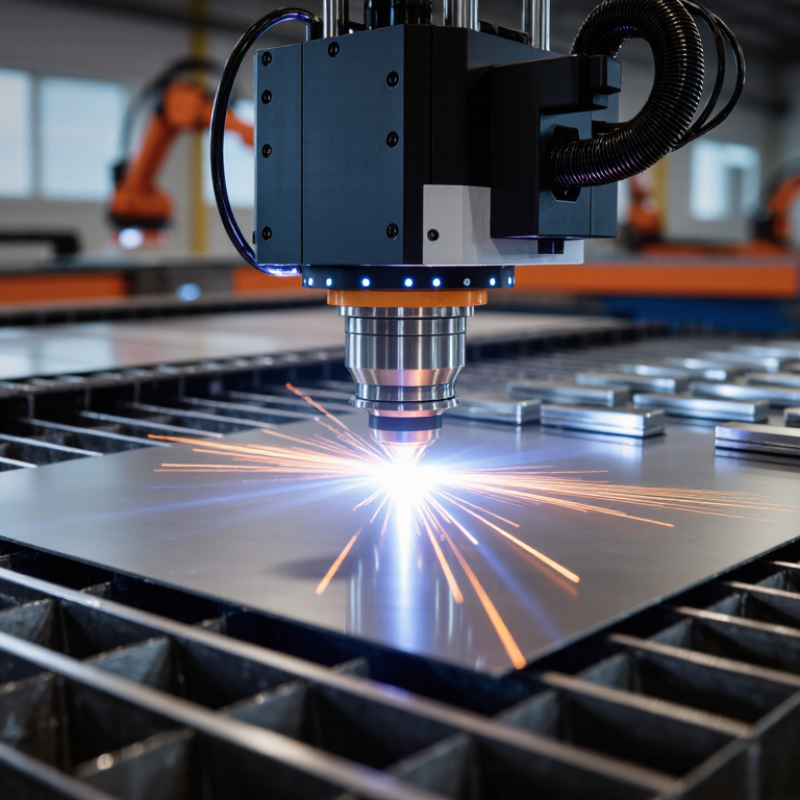
In 2026, laser cutting services offer global buyers a practical route from digital drawings to ready-to-assemble parts. Depending on the material and machine, providers can cut sheet metal, acrylic, or wood to specified shapes and dimensions. Many also review CAD files, arrange parts efficiently on sheets, and support prototypes before larger production runs. That review can catch small issues, such as a slot placed too close to an edge. Details matter.
For buyers working across borders, useful service includes more than cutting. Look for clear material specifications, stated tolerances, inspection options, protective packaging, and regular production updates. Ask for a sample or first-article check when dimensions are critical. A neat quote can still leave an important detail unclear. Share the file type, material grade, thickness, finish, quantity, and delivery location when requesting pricing. Also ask how the supplier handles changes and reports delays. Cutting quality depends on the material, settings, and part design, so one provider may not suit every job. I would compare documented capabilities, not just the lowest unit price.
2026 Best Laser Cutting Services for Global Buyers - What Laser Cutting Services Offer Global Buyers in 2026
| Service Type | Common Materials | Typical Capability Range | Typical Accuracy | Best-Fit Applications | What Global Buyers Can Request |
|---|---|---|---|---|---|
| Fiber laser sheet cutting | Carbon steel, stainless steel, aluminum, copper, and brass | Thin sheet through heavy plate; practical maximum thickness depends on the material, laser power, machine, and edge-quality requirements | Often around ±0.1–0.2 mm for suitable parts; confirm tolerances for each drawing and material | Enclosures, brackets, panels, machinery parts, and flat blanks | Material certificates, deburring, protective film, inspection reports, and export packing |
| CO₂ laser cutting | Acrylic, wood, paper, textiles, and selected plastics; some systems also process metals | Commonly used for non-metal sheet and plate; material type and thickness limits vary by equipment and safe-processing requirements | Often around ±0.1–0.3 mm, depending on material, thickness, and part geometry | Signage, displays, packaging prototypes, decorative parts, and gaskets | Material-specific cutting tests, edge-finish requirements, protective masking, and sample approval |
| Tube and profile laser cutting | Steel, stainless steel, and aluminum tubes or profiles | Round, square, rectangular, and selected custom profiles; maximum section size and wall thickness are machine-dependent | Often around ±0.1–0.3 mm for cut features, subject to tube straightness and setup | Frames, furniture components, handrails, vehicle structures, and equipment supports | Cut-length inspection, notch and hole checks, end protection, and bundled or rack packing |
| Precision laser cutting | Thin metals and selected engineering materials | Optimized for small features, narrow kerfs, and detailed geometries rather than maximum plate thickness | Can be tighter than general sheet cutting when the design, material, and process allow; specify critical dimensions on the drawing | Electronic components, instruments, fine mesh, shims, and small precision parts | First-article inspection, dimensional reports, controlled revision handling, and traceability |
| Laser cutting with forming and finishing | Common sheet metals, including carbon steel, stainless steel, and aluminum | Laser-cut parts combined with services such as bending, tapping, welding, coating, or assembly | Cutting and formed-part tolerances depend on the complete process; request a tolerance review for assembled parts | Finished brackets, cabinets, machine guards, and ready-to-install assemblies | Single-supplier coordination, finish samples, assembly checks, and consolidated shipment |
| Prototype and low-volume laser cutting | Material options depend on available stock and the selected cutting process | Suitable for one-off parts, samples, and short production runs; minimum order quantities vary by service provider | Quoted to the supplied drawing; critical dimensions should be clearly identified | Product development, fit checks, pilot builds, and replacement parts | Rapid quotation, prototype feedback, revision control, and approval samples before repeat production |
Buyer note: Capability ranges and tolerances are indicative industry guidance, not guaranteed specifications. Actual limits depend on the machine, material grade, thickness, geometry, quantity, and inspection method. Confirm the final quotation, tolerances, certifications, lead time, shipping terms, and import requirements with the service provider before ordering.
Related Posts
-
The Future of Manufacturing with Metal Laser Cutting Technology Explained
-
Unlocking the Future of Manufacturing Through Laser Machining Innovations and Trends
-

Unlock Unlimited Possibilities with Custom Laser Cutting for Your Unique Projects
-
Unlocking Creativity with Custom Laser Cutting Techniques for Unique Designs
-

Unlocking the Future of Design: How Custom Laser Cutting is Revolutionizing Creative Industries
-
Top Laser Machining Trends for 2025: Innovations and Applications You Can't Miss
